When people around the world hear the word “Shogun”,
one historical figure stands above all others: Tokugawa Ieyasu.
He was the man who ended Japan’s age of civil war,
founded the Tokugawa Shogunate in 1603,
and established a system of rule that would last for more than 260 years.
In many ways, Tokugawa Ieyasu is the Shogun—
not just a warrior, but the embodiment of political power, stability, and order.
Who Was Tokugawa Ieyasu?
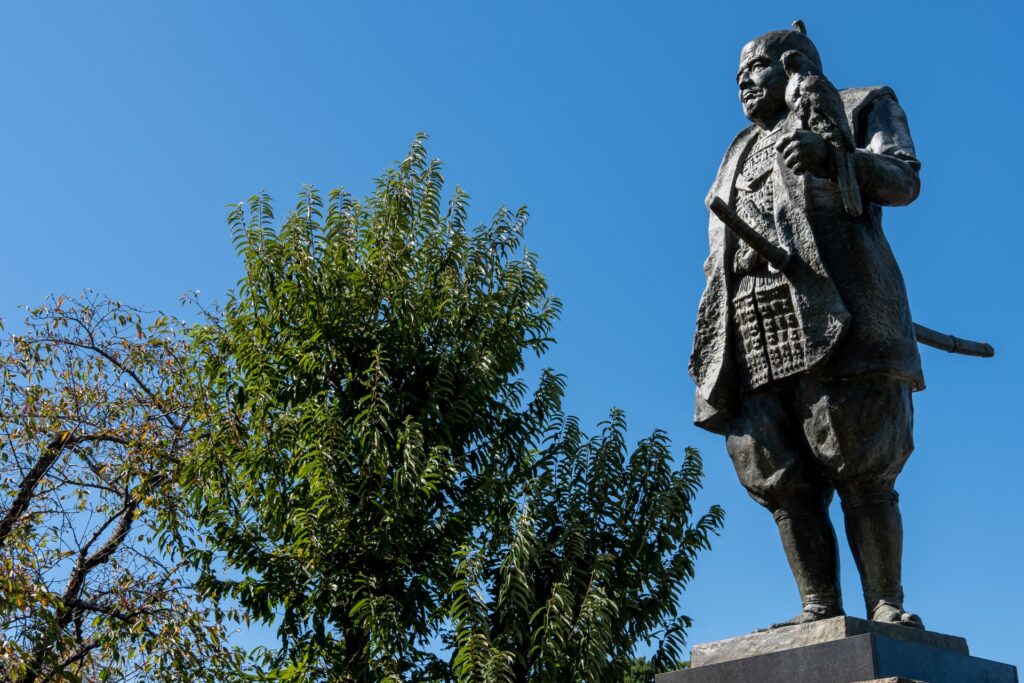
Tokugawa Ieyasu (1543–1616) was a daimyo who lived through Japan’s violent Sengoku period.
Unlike many warlords of his time, Ieyasu was known not for reckless ambition,
but for patience, strategy, and long-term vision.
After serving under both Oda Nobunaga and Toyotomi Hideyoshi, Ieyasu ultimately secured power for himself.
In 1603, he was appointed Sei-i Taishōgun (Shogun) by the emperor, marking the beginning of the Edo period.
His rule transformed the meaning of “Shogun”:
- From battlefield commander
- To supreme political authority
- And guardian of national stability
Because of this, Tokugawa Ieyasu is often seen as the figure who completed the idea of the Shogun in Japanese history.
Tokugawa Ieyasu and the Model for SHOGUN
In international films and television series titled “SHOGUN”,
Tokugawa Ieyasu is frequently used as the historical model, even when his name is not directly mentioned.
A well-known example is Yoshii Toranaga, a central character in James Clavell’s novel Shōgun and its screen adaptations.
Toranaga’s character reflects Ieyasu in many ways:
- Strategic patience rather than brute force
- Political maneuvering behind the scenes
- Ultimate victory through calculation and endurance
For international audiences,
this portrayal has helped define the global image of what a Shogun is—
an image deeply rooted in Tokugawa Ieyasu’s life and legacy.
Tokugawa Ieyasu’s Armor: The Shogun’s Philosophy in Steel
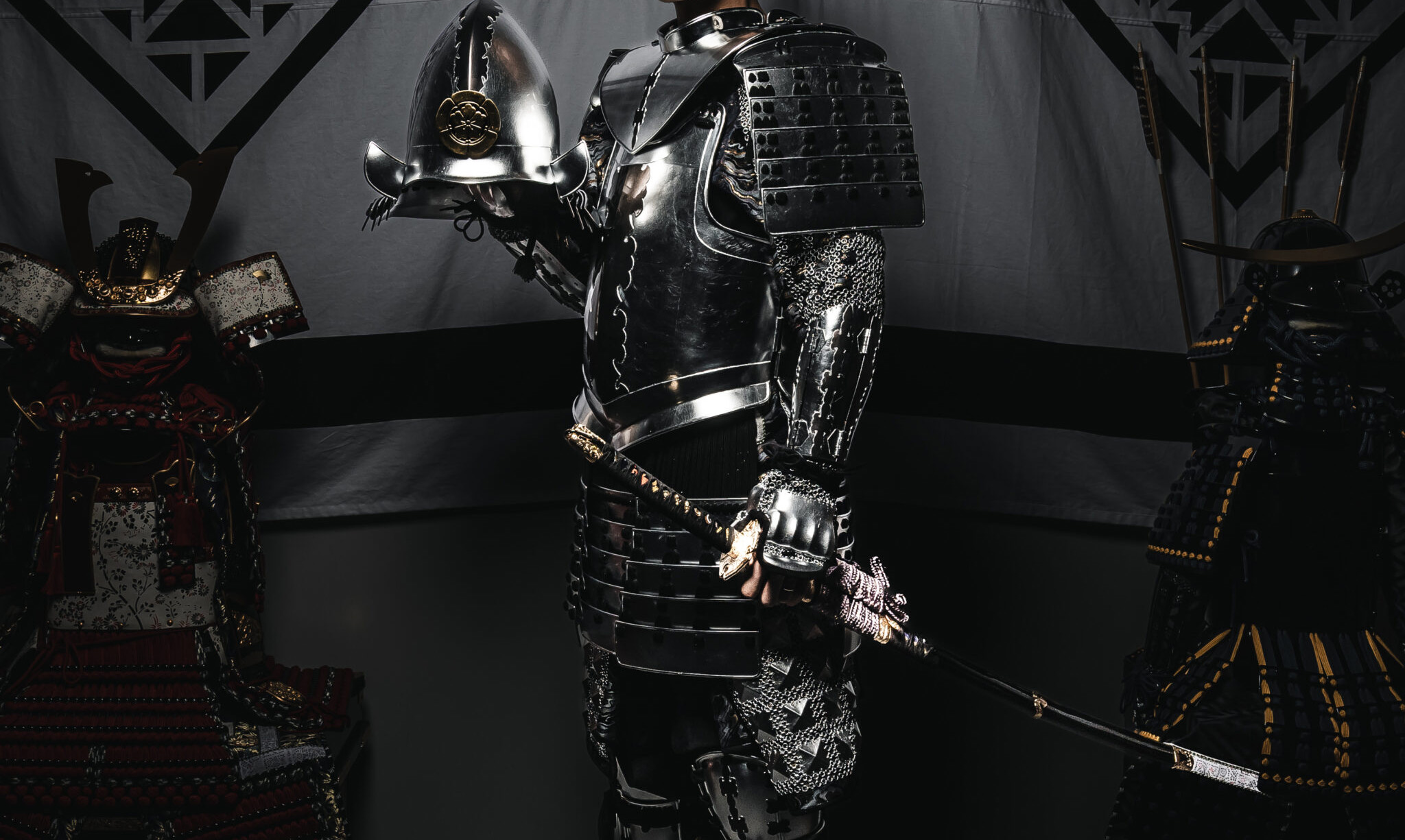
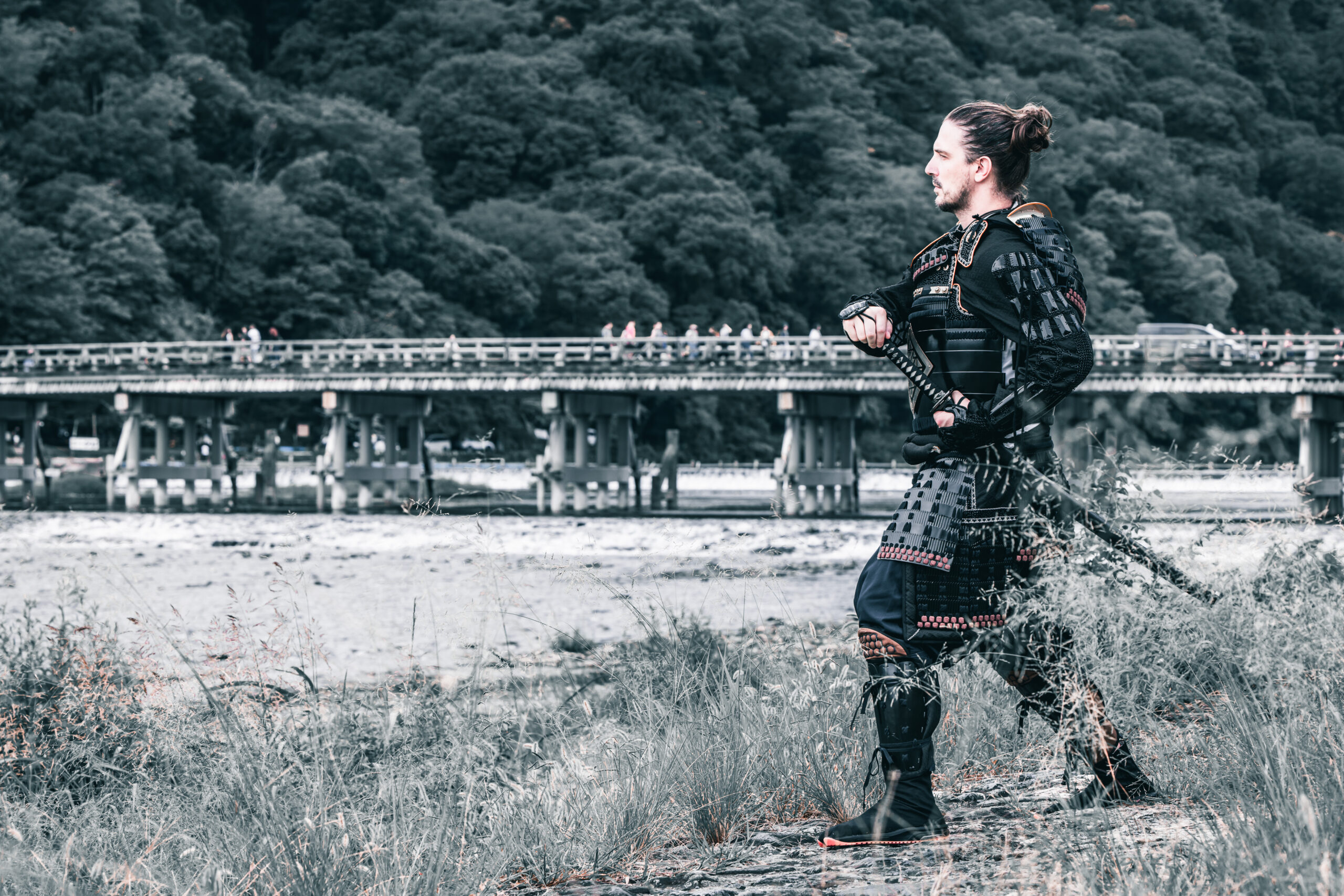
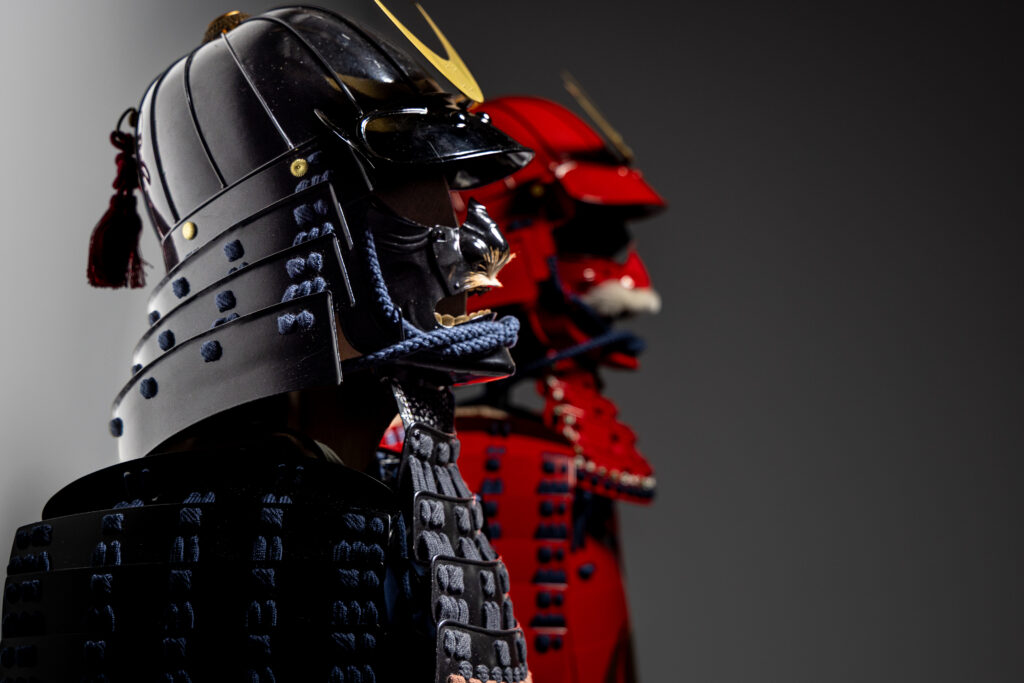
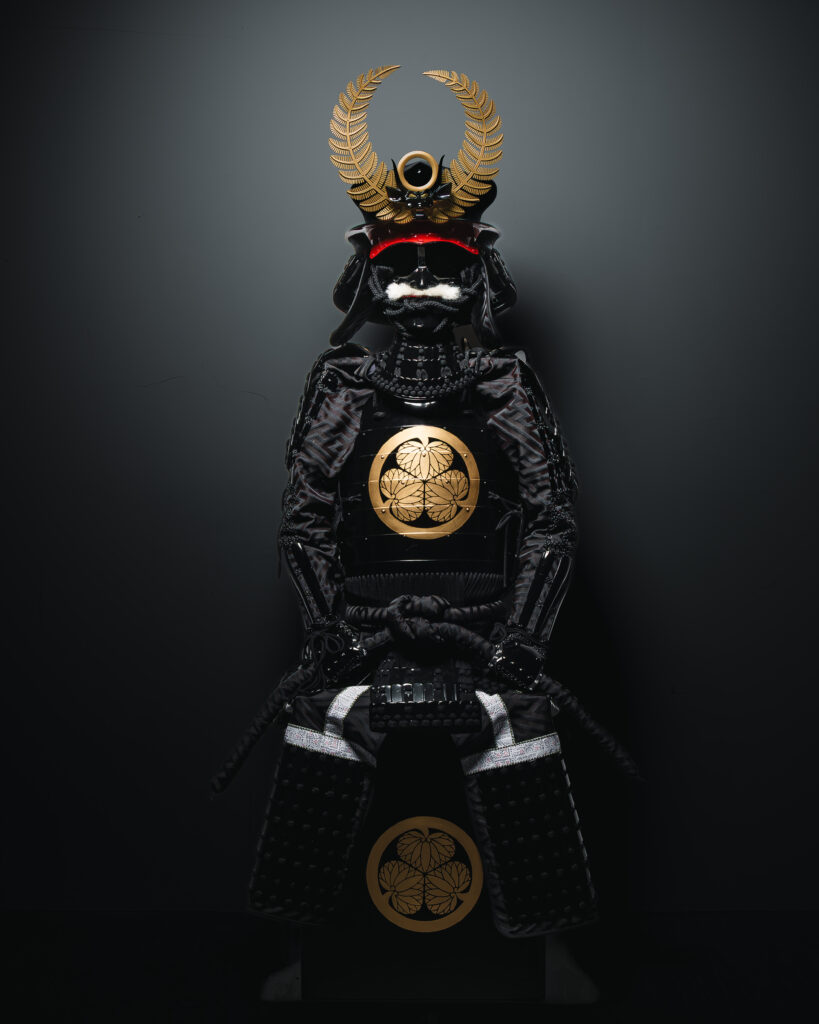
Tokugawa Ieyasu’s armor is known for its restraint and practicality.
Rather than excessive decoration, his armor emphasized:
- Dark, subdued colors
- Functional construction
- Authority through presence, not flamboyance
This reflected Ieyasu’s role as a commander and ruler, not merely a frontline warrior.
His armor visually expresses the Shogun’s mindset : discipline, control, and command over chaos.
Experience Tokugawa Ieyasu’s Armor in Kyoto
If you want to experience the world of the Shogun firsthand, SHOGUN STUDIO JAPAN in Kyoto offers a rare opportunity.
https://shogunstudiojapan.com/en/
At SHOGUN STUDIO JAPAN,
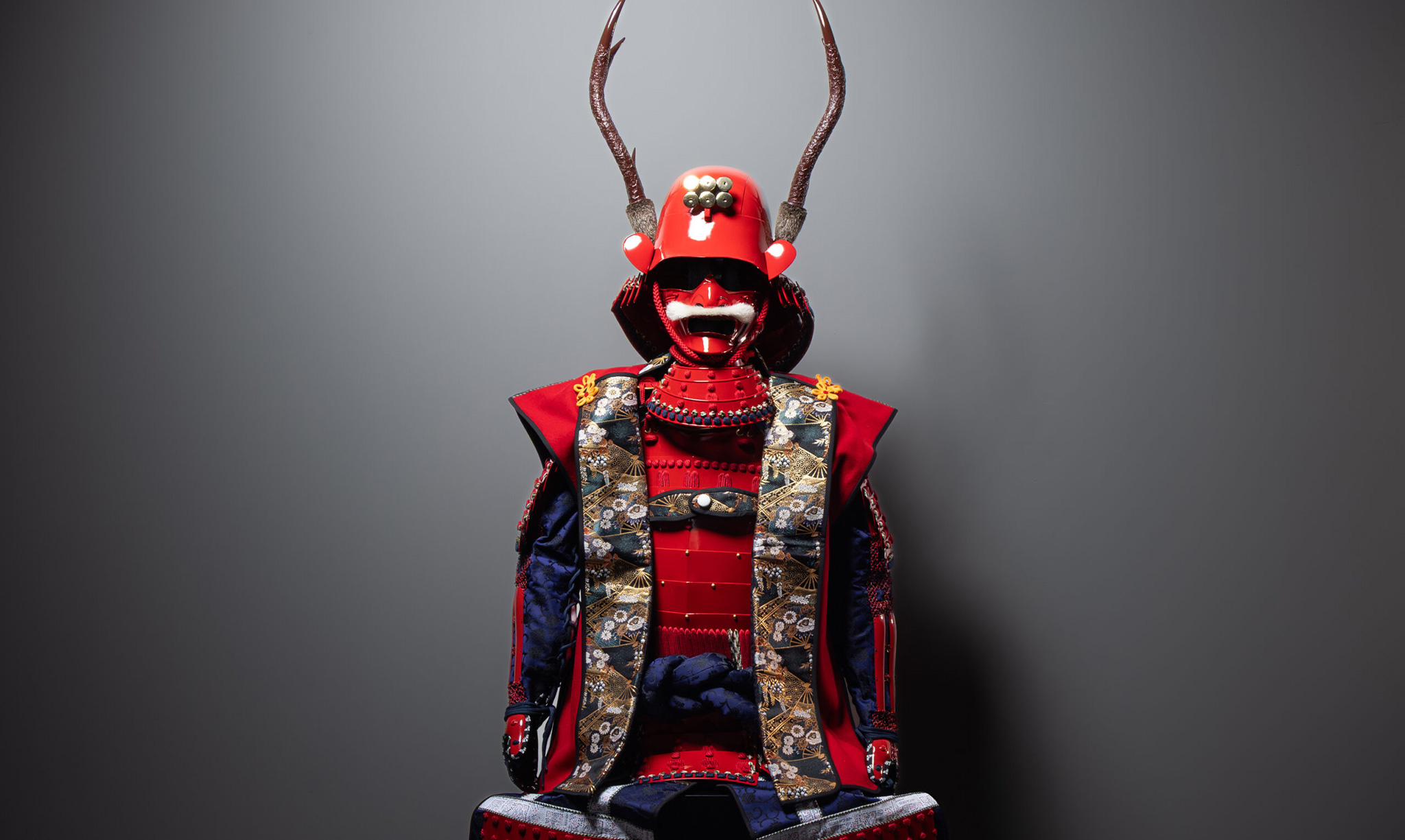
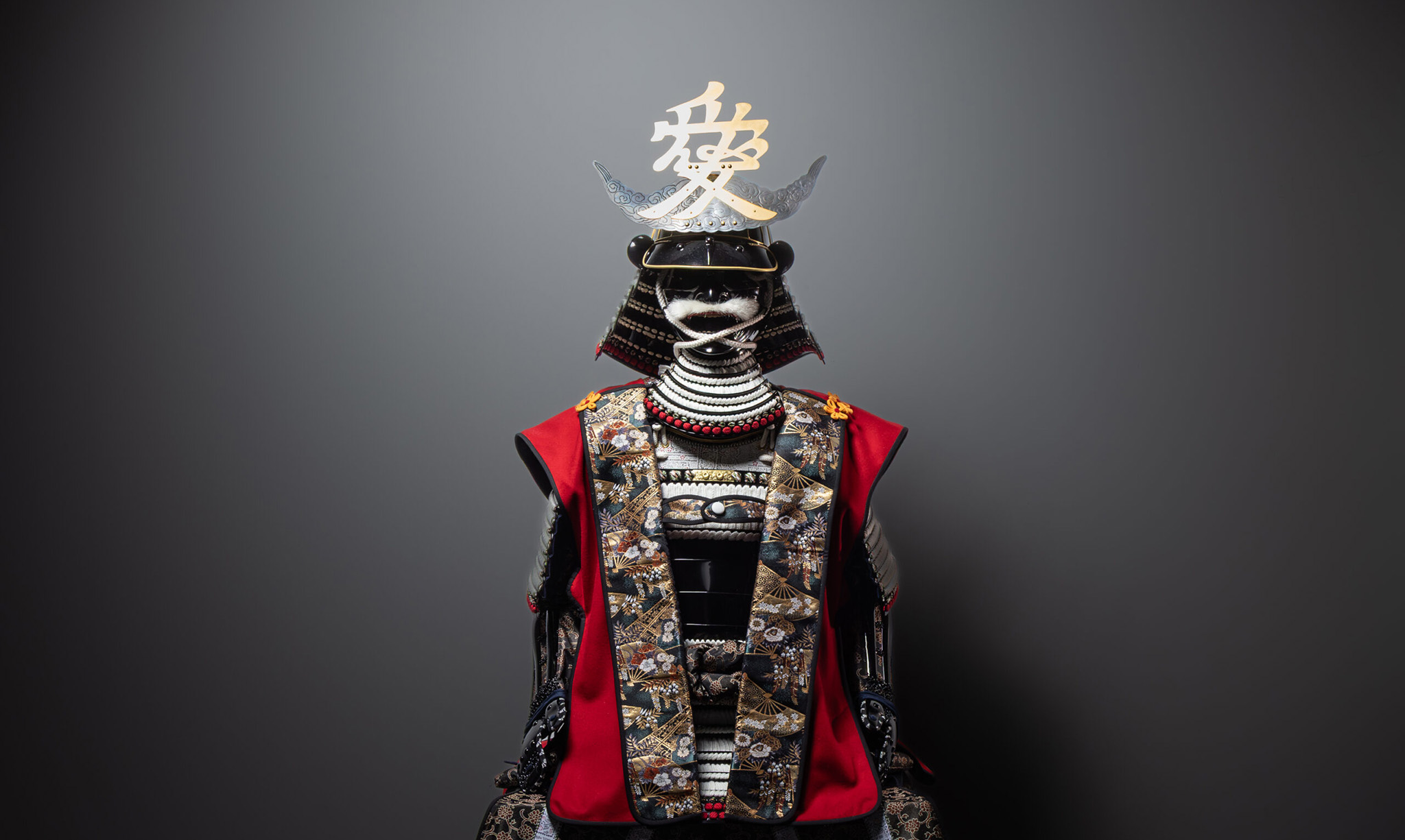
you can experience armor inspired by Tokugawa Ieyasu,
crafted with historical accuracy and worn as real armor—not costume.
- Authentic samurai armor experience
- Available for wearing, photography, and rental
- Designed for international visitors seeking the “SHOGUN” experience
This is not about dressing up,
but about stepping into the role of a Shogun.
5. Explore More Shogun Figures
Tokugawa Ieyasu is only one of many historical figures connected to the idea of Shogun.
Other warlords, generals, and rulers—
including those who inspired films, dramas, and global interpretations of samurai culture—
are introduced in our SHOGUN category.