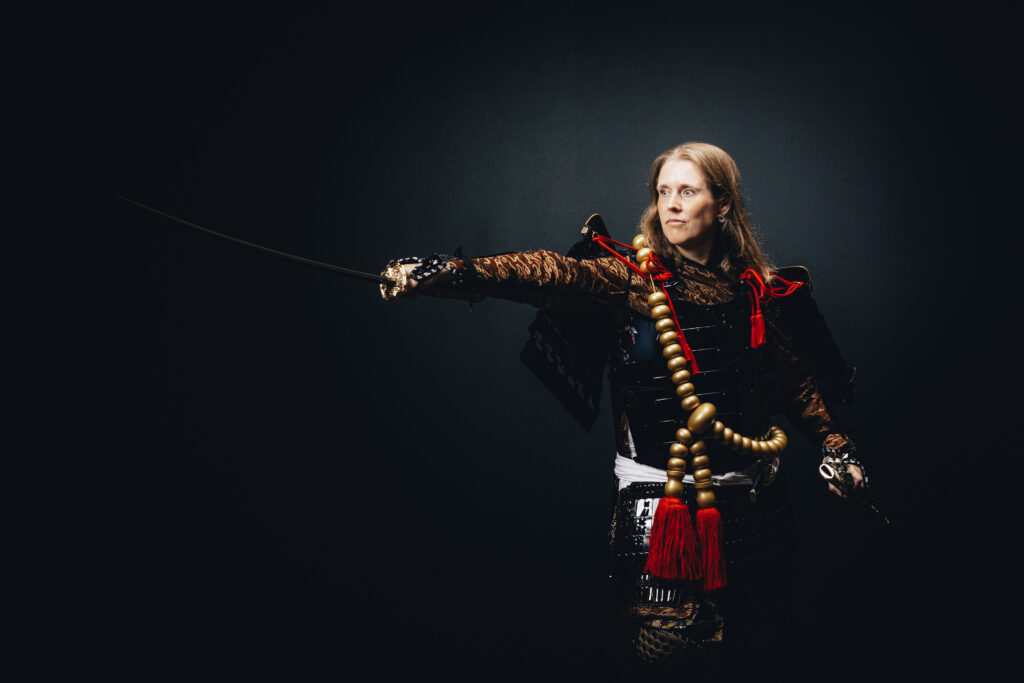
When we think of samurai, we often picture male warriors and powerful warlords. But Japan’s warrior history tells another story. Beyond the famous battles and legendary generals were women who defended their homes, led, strategized, and fought when called upon. Known as the Onna-Bugeisha, these women embodied courage, loyalty, and resilience—a legacy that still inspires us today.
Long before the emergence of the term “samurai,” women were also connected to Japan’s early warrior traditions. One of the most famous figures is Empress Regent Jingū (traditionally c. AD 169–269), a legendary Japanese ruler sometimes described as an early female warrior. Although the term onna-bugeisha is generally associated with women warriors of later periods, Jingū is often included in discussions of female warriors in Japanese history and the origins of Japan’s warrior culture.
According to the Kojiki and Nihon Shoki, Jingū was the consort of Emperor Chūai and became regent following his death. Japanese chronicles describe her leading a military expedition to Silla, a kingdom on the Korean Peninsula, around AD 200. However, the historical accuracy of these accounts is disputed, and many details of Jingū’s life and military campaign are considered legendary.
Despite the uncertainty surrounding her historical existence, Empress Jingū became an important figure in Japanese history, mythology, and cultural tradition. In 1881, she became the first woman to appear on a Japanese banknote, with her portrait created by Italian-born engraver Edoardo Chiossone. Her legacy continues to be associated with Japan’s early warrior traditions and the long history of women in Japanese martial culture.
1. Hōjō Masako (1157–1225) was a powerful political figure of the Kamakura period and an important woman in Japanese samurai history. Born into the Hōjō clan, she married Minamoto no Yoritomo, founder and first shogun of the Kamakura shogunate. Their sons, Minamoto no Yoriie and Minamoto no Sanetomo, later became the second and third shoguns.
After Yoritomo’s death in 1199, Masako became a Buddhist nun but remained deeply involved in Kamakura politics. She played an important role in protecting the interests of the Hōjō clan and maintaining the power of the Kamakura shogunate. Her political influence led to her being known as the “Nun Shogun” (Ama Shōgun).
Although Masako is sometimes associated with the onna-musha, or women of Japan’s warrior class, historical sources more clearly establish her as a powerful political leader than as a battlefield warrior. Today, Hōjō Masako is remembered as one of the most influential women in medieval Japanese history.

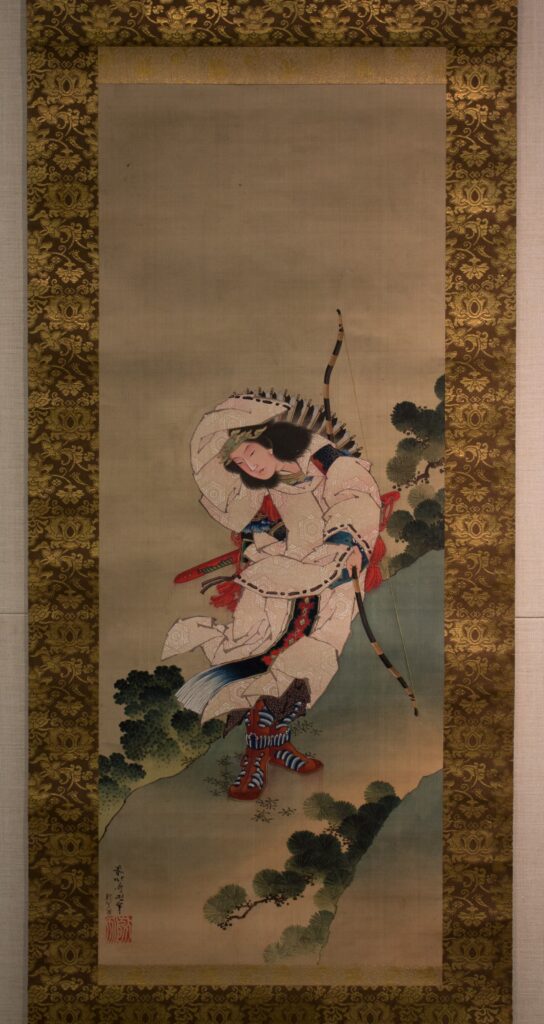
2. In The Tale of the Heike, Tomoe Gozen is portrayed as a formidable warrior skilled in archery, swordsmanship, and horseback riding during the Genpei War (1180–1185). She served alongside Minamoto no Yoshinaka, a prominent warrior commander, and is described as an exceptionally courageous fighter. At the Battle of Awazu in 1184, Tomoe is famously said to have defeated and beheaded a powerful enemy warrior before leaving the battlefield. The Tale of the Heike praises her as a warrior capable of confronting even demons or gods, whether mounted or on foot. While Tomoe Gozen’s story has become an iconic part of Japanese samurai history and the tradition of female warriors, details of her life and military achievements are difficult to verify independently.
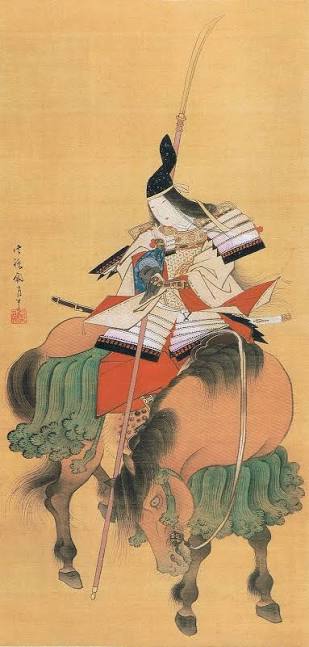
3.Hangaku Gozen was a renowned onna-musha, or woman of the Japanese warrior class, celebrated in historical and literary accounts for her courage and exceptional skill with a bow. During the Kennin Rebellion of 1201, she fought against forces of the Kamakura shogunate and defended Torisaka Castle with a smaller force against a much larger government army. According to the Azuma Kagami, Hangaku was wounded by an arrow and captured during the battle. She was later spared and married Asari Yoshitō, a retainer of the shogunate. Her story has made Hangaku Gozen an enduring figure in the history of female warriors and onna-musha in medieval Japan.
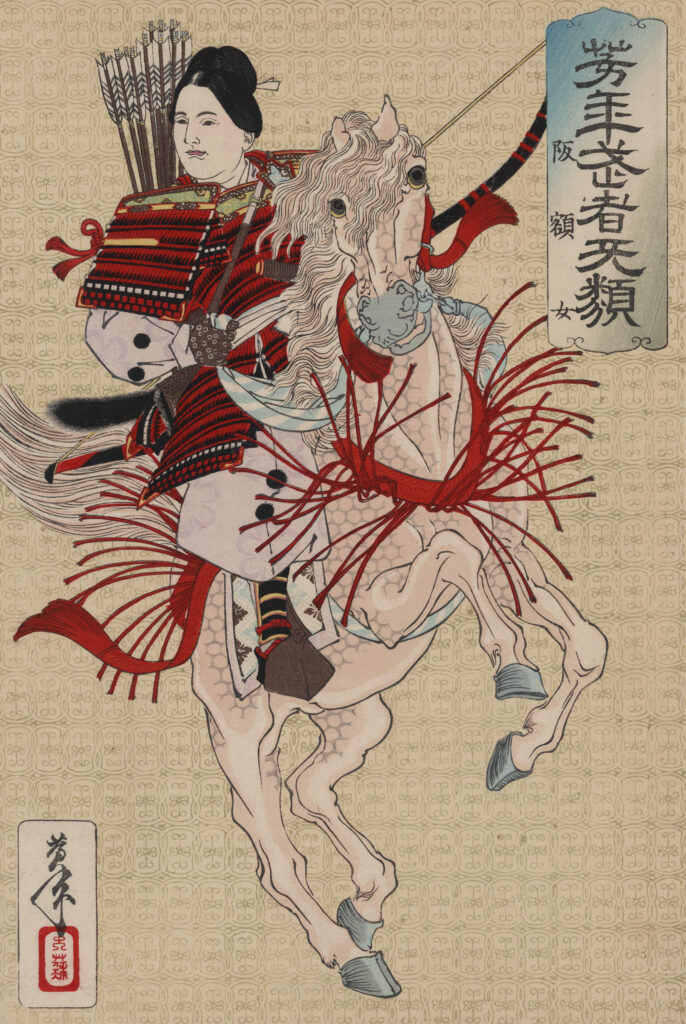
4. Akai Teruko, also known as Myōin-ni, was a woman of the Sengoku period who is remembered for her role in the defense of Kanayama Castle. Born around 1514, she was the daughter of Akai Terumitsu and later married Yura Narishige, the lord of Kanayama Castle. After her husband’s death, she became a Buddhist nun and continued to play an important role in the defense and leadership of the castle.
In her later years, Teruko is traditionally said to have defended Kanayama Castle against forces of the Hōjō clan for an extended period. According to accounts of her life, she eventually surrendered the castle to secure the safety of her family. She later became associated with Toyotomi Hideyoshi and is said to have participated in his campaign against Matsuida Castle. Her story has made her a notable figure in discussions of women warriors, onna-musha, and female leadership during Japan’s Sengoku period.
5. Shinobu and Miyagino are figures from a traditional Japanese revenge story associated with the Edo period. According to the tale, their father, Yomosaku, was killed by the samurai Shiga Daishichi, who was hiding in a rice field after fleeing from authorities. Seeking justice for their father, the sisters trained with traditional weapons, Miyagino with a naginataand Shinobu with a kusarigama.
With permission from their daimyō, the sisters confronted Daishichi and defeated him together. Their story is best understood as a traditional account rather than a firmly documented historical event, but it reflects themes of loyalty, family honor, and revenge that were prominent in Japanese warrior culture. It is also sometimes included in discussions of women warriors and female martial traditions in Edo-period Japan.
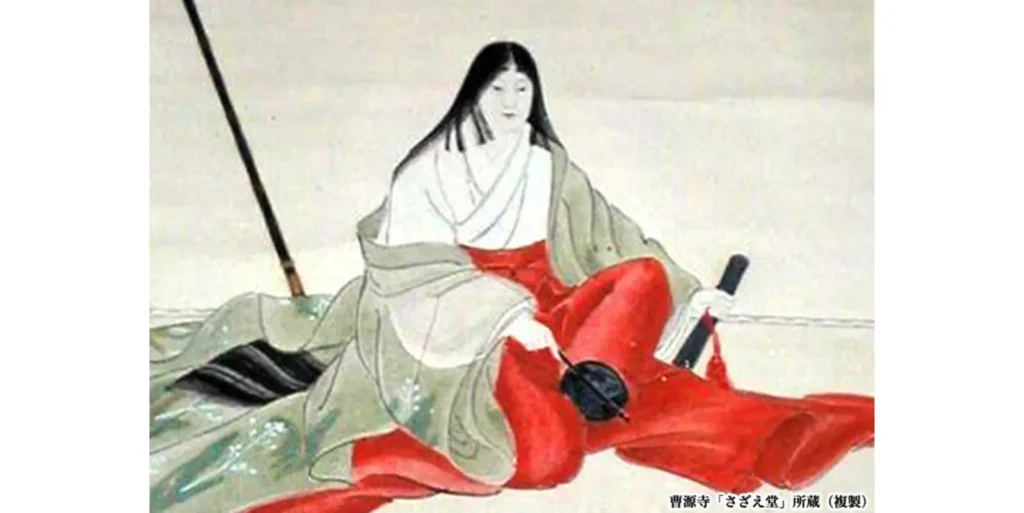
6. During the Bakumatsu period, Nakazawa Koto was known for her skill in kenjutsu, or Japanese swordsmanship. In 1863, she reportedly traveled to Kyoto with her brother Sadamasa and became associated with the Tokugawa side during the political turmoil that preceded the Boshin War. She later fought alongside her brother in the Battle of Hokuetsu in 1868.
Koto was also remembered for her striking appearance and martial ability. Later accounts describe her as an exceptionally skilled swordswoman who was difficult for any man to defeat. While some stories about her life cannot be independently verified, Nakazawa Koto remains a fascinating figure associated with the onna-musha tradition and the final years of the Tokugawa shogunate.
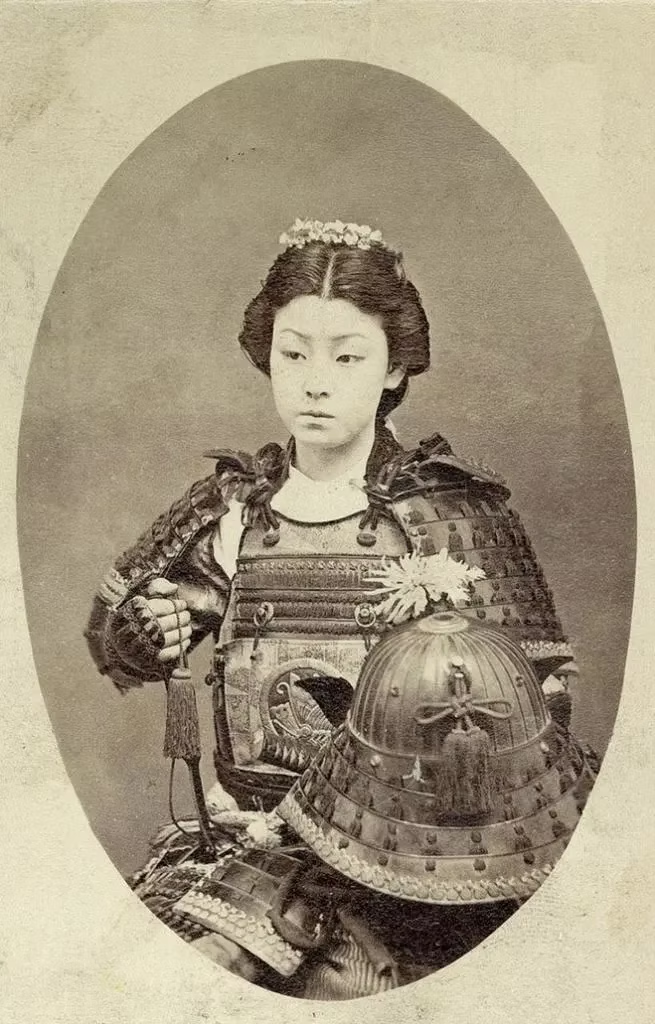
7. During the Boshin War (1868–1869), women in the domain of Aizu took part in the defense of their home. Nakano Takeko led a group of women later known as the Jōshitai (Women’s Army), which fought during the Battle of Aizu in 1868. Takeko was killed in combat after being shot in the chest. According to accounts, she asked her sister Yūko to behead her so that her body would not be taken by the enemy.
Another notable figure was Yamamoto Yaeko, a skilled marksman who participated in the defense of Aizuwakamatsu Castle. Unlike Takeko, Yaeko survived the war and later became a Christian, educator, and nurse. She was involved with the Japanese Red Cross Society and became an enduring symbol of the women who participated in the defense of Aizu during the final years of the Tokugawa shogunate.
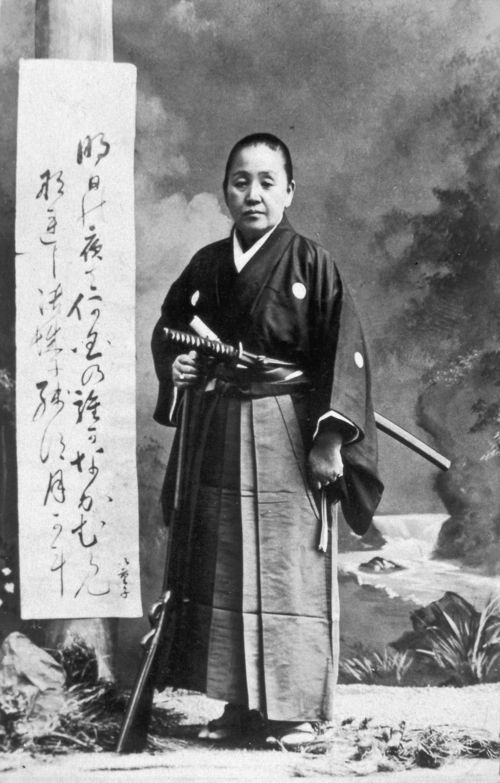
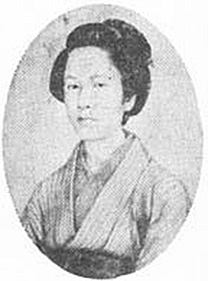
Wikipedia contributors. (2026, August 21). Nakano Takeko. Wikipedia, The Free Encyclopedia. Retrieved August 21, 2026, from Wikipedia.org.
| ONNA-MUSHA / WOMEN WARRIORS | WOMEN ASSOCIATED WITH SHINOBI TRADITIONS | WOMEN DAIMYŌ / FEMALE LORDS |
|---|---|---|
| Ohori Tsuruhime | Mochizuki Chiyome* | Ii Naotora |
| Yamakawa Futaba | Umemura Sawano* | Tachibana Ginchiyo |
| Yuki no Kata | Onamihime | |
| Sana Chiba | ||
| Yodo-dono* | ||
| Hosokawa Gracia* | ||
| Munakata Saikaku* | ||
| TRADITIONAL / LEGENDARY FIGURES | ||
| Ikeda Sen* | ||
| Kaihime* | ||
| Takiyasha-hime | ||
| Koman |
* Historical figure whose military role or popular stories require additional historical context.
Historical note: The term onna-musha broadly refers to women of the Japanese warrior class who participated in military or martial activities. Historical evidence varies considerably between individuals. Some figures are well documented, while others are known primarily through later chronicles, folklore, or legend. The classification of individual figures may also vary depending on the source.
Think samurai armor and epic photoshoots are only for men? Think again.
At Shogun Studio, we believe history comes alive when you become a part of it.
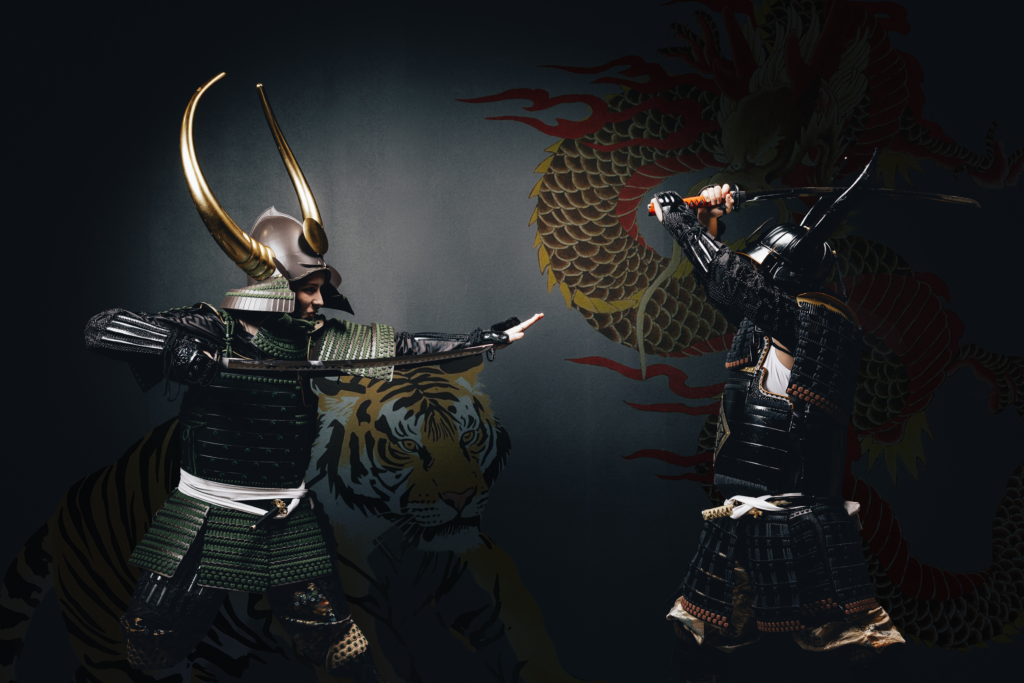
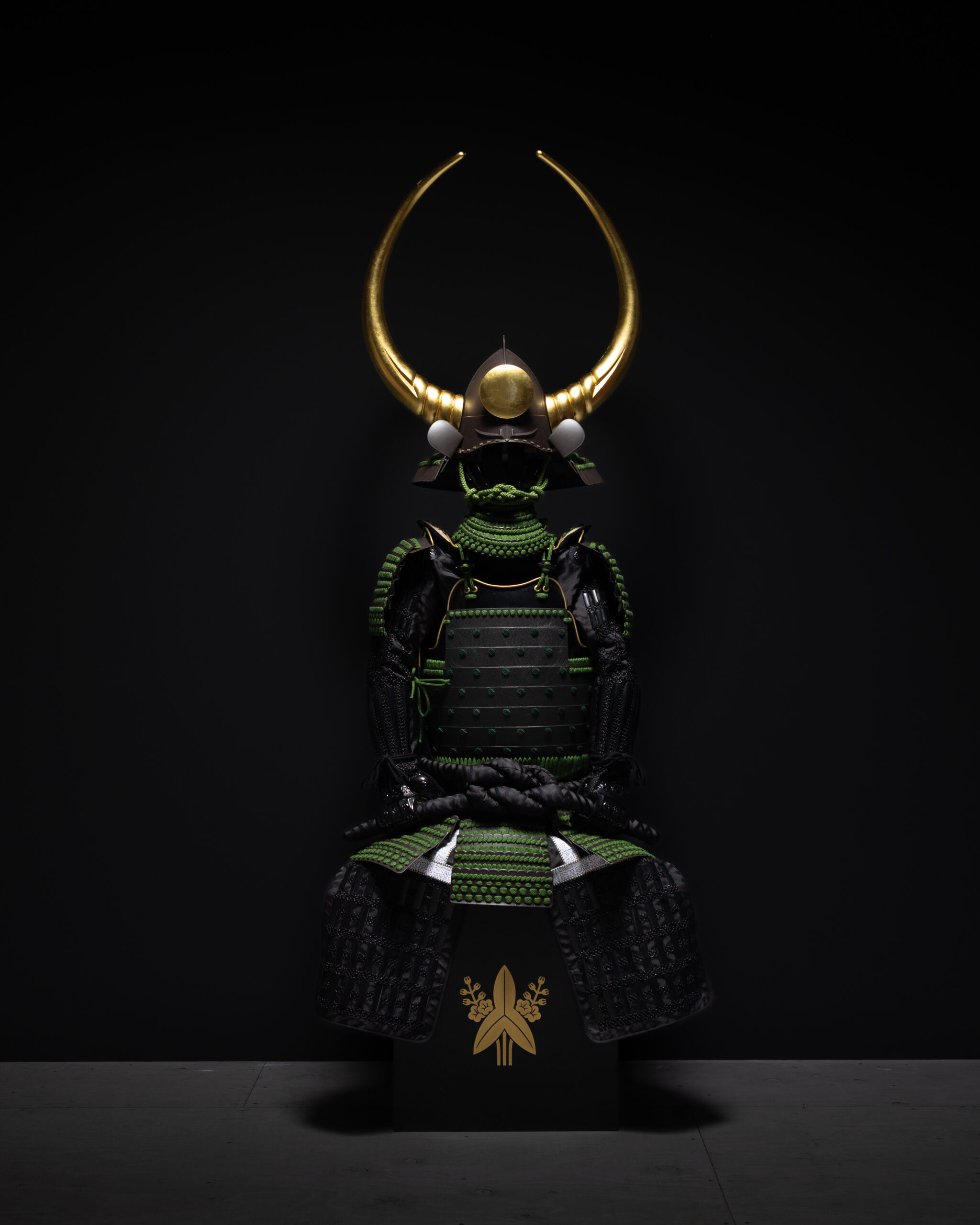
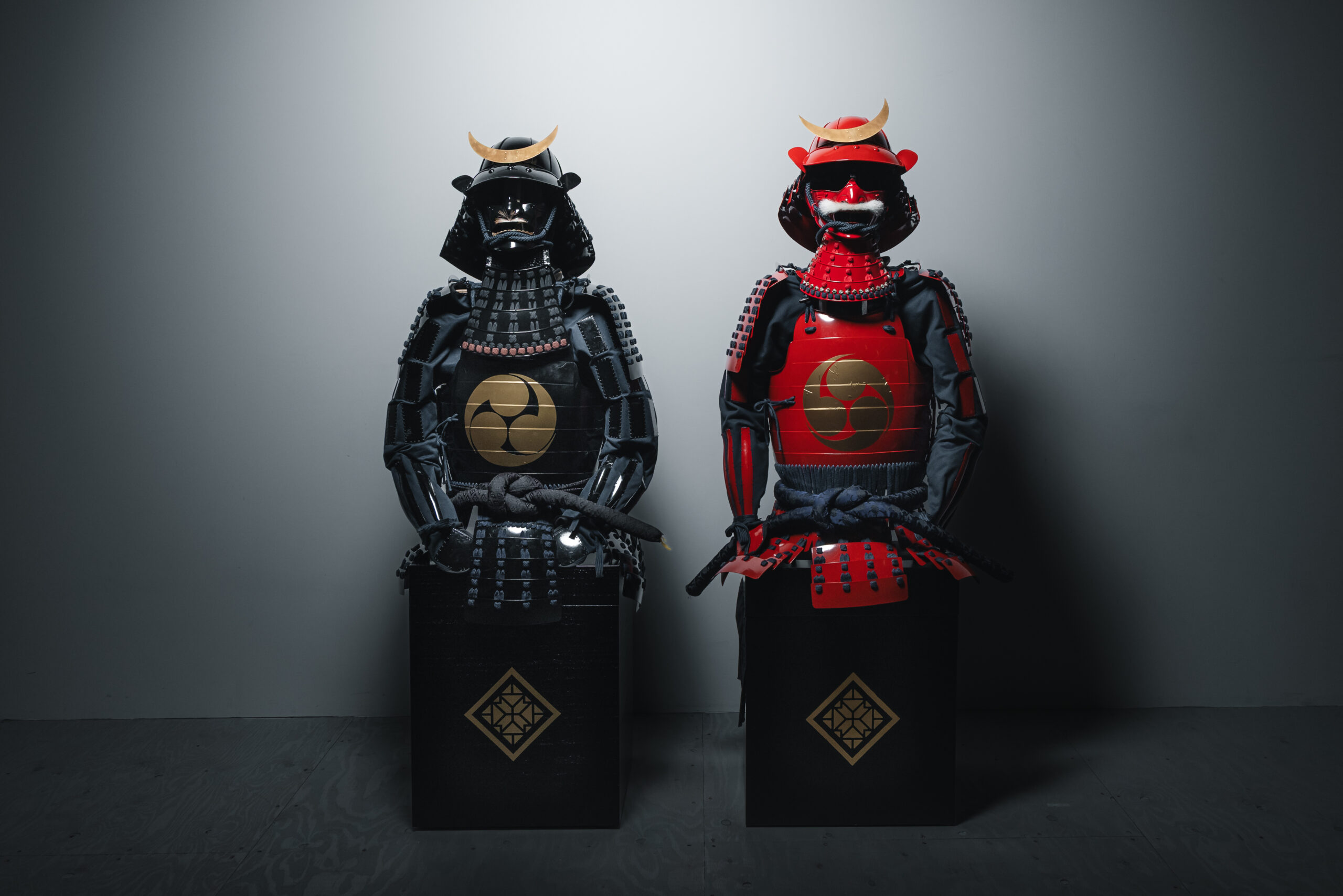
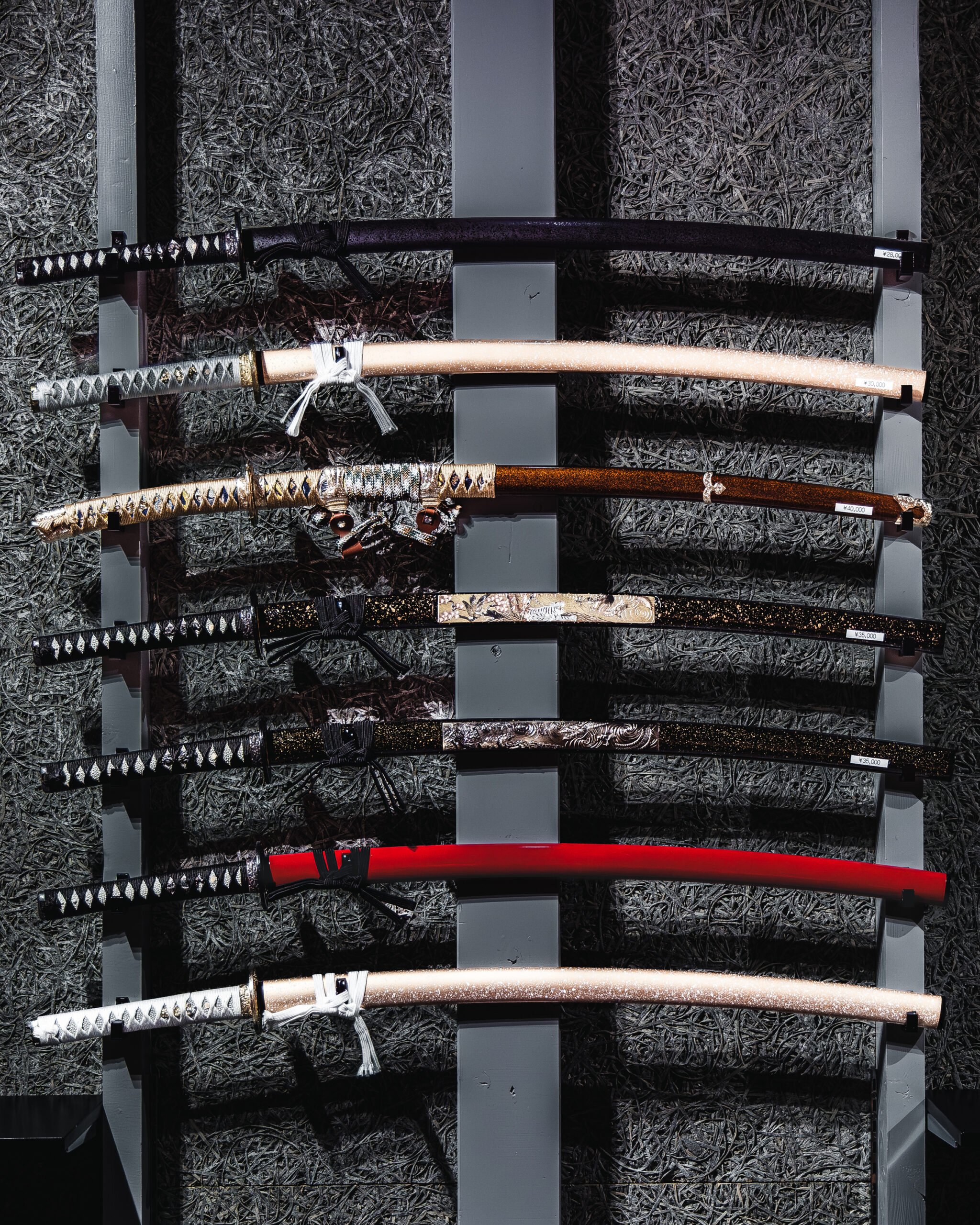
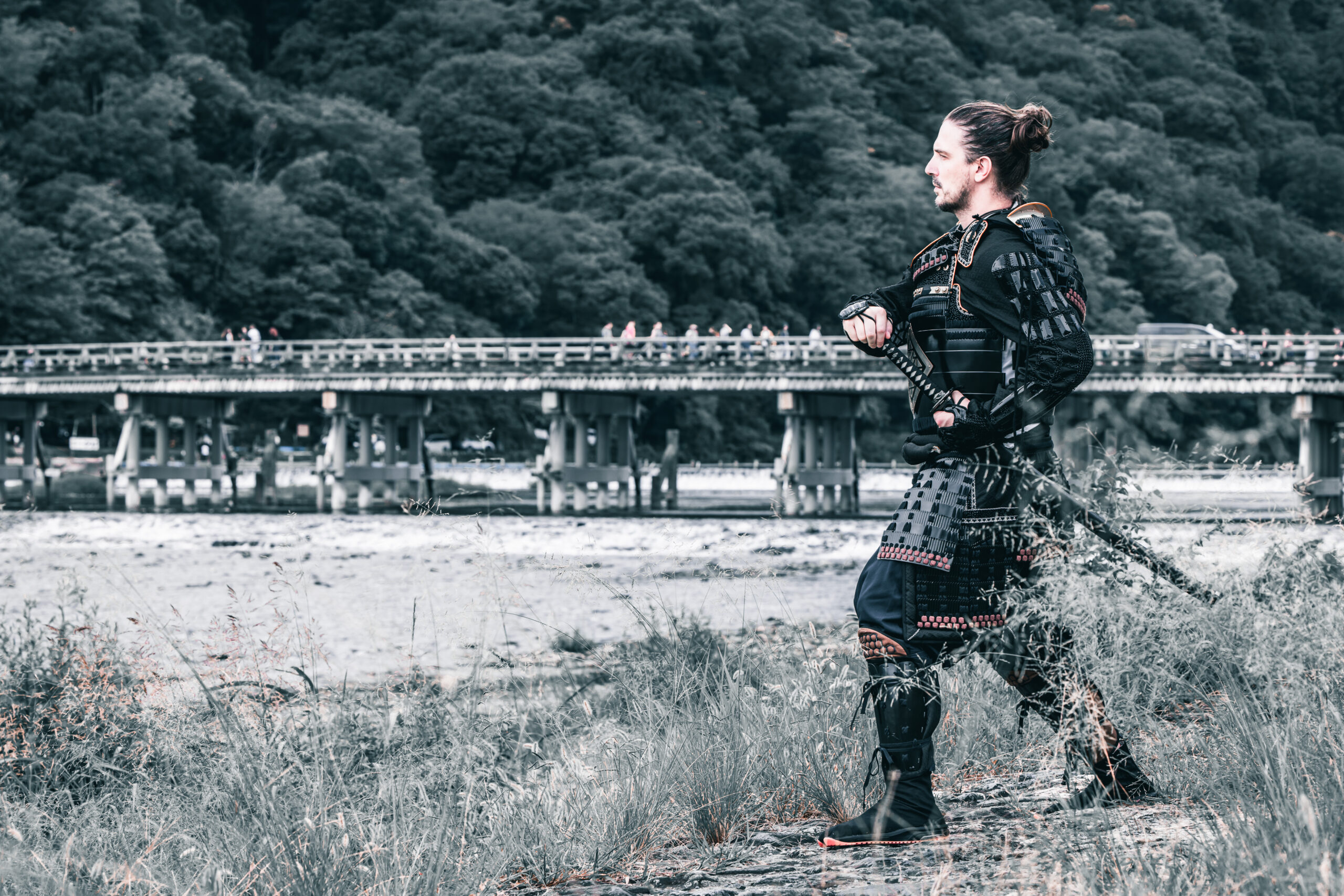
Inspired by the Onna-Musha, women associated with Japan’s warrior traditions, we invite women from around the world to don museum-grade replica armor, take up the katana, and experience the elegance, strength, and spirit of the samurai.
Your turn to step into history.
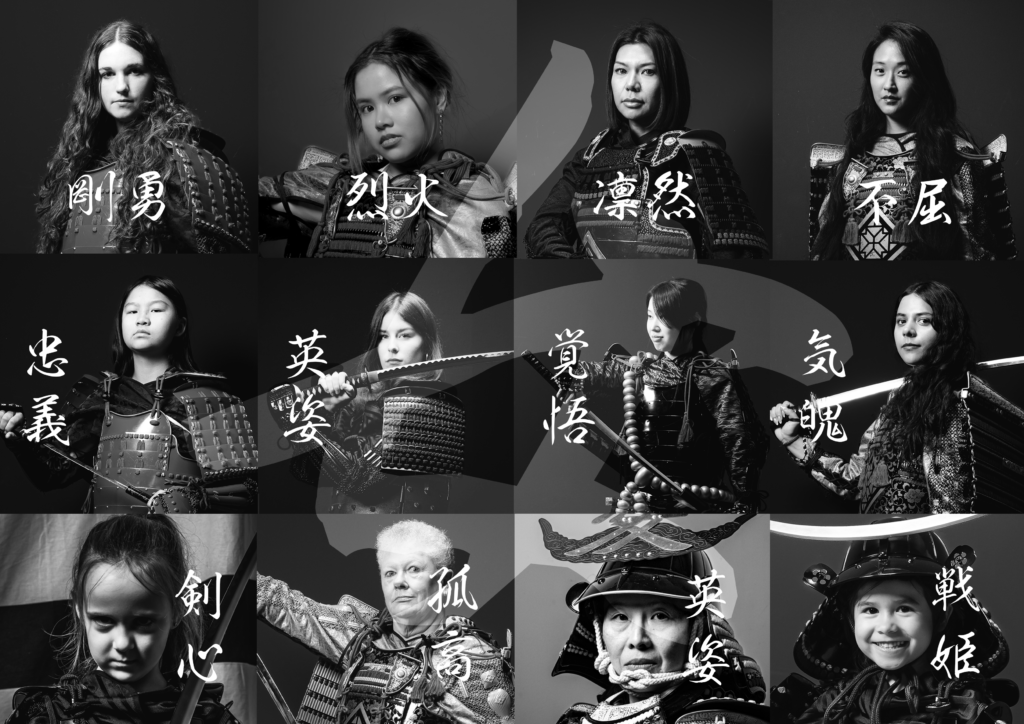
Find us in Kyoto at our two beautiful locations: Arashiyama & Hotel Emion!
Choose your samurai experience at Shogun Studio Japan. Will you don authentic-style armor and step into the role of an Onna-Musha, inspired by the women of Japan’s warrior class, or blend into the shadows as a mysterious Onna-Shinobi?
Choose your path and join us here in Kyoto!