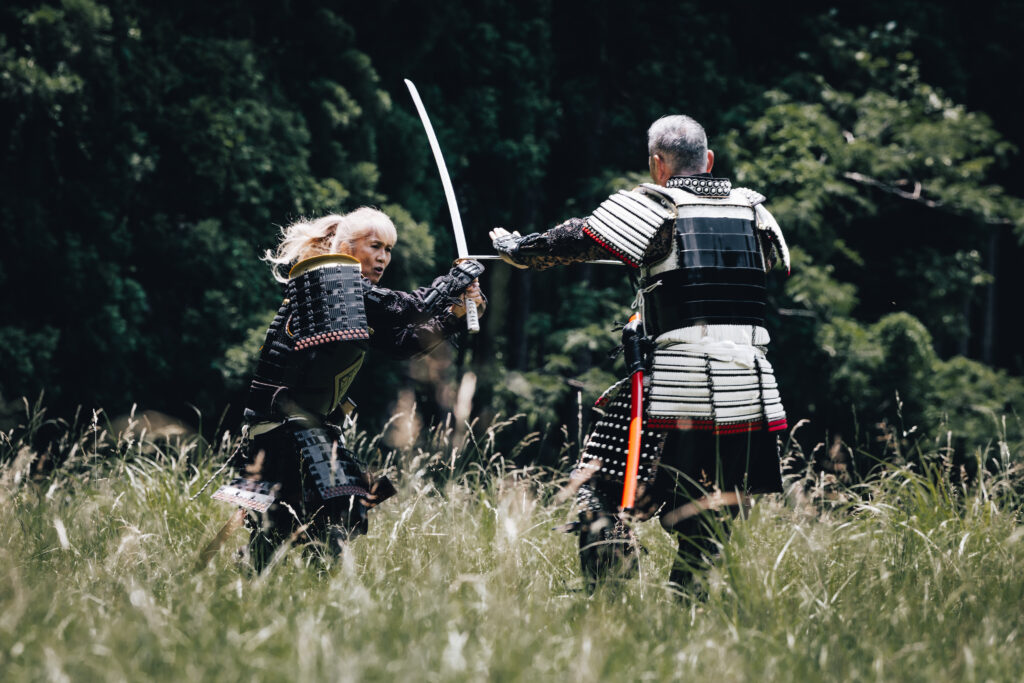
Allies. Enemies. Honor. Loyalty. Battle.
Samurai cinema is one of the most influential genres in movie history. It is packed with breathless action and deep warrior philosophies. Whether you love sword fights or history, these top 5 samurai movies are absolute masterpieces you must watch. Unsheathe your katana and enter the world of Bushido.
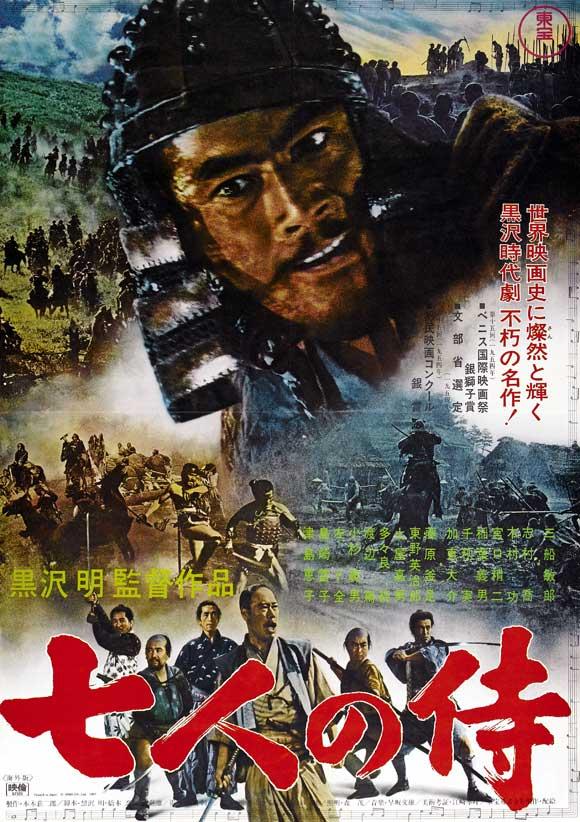
1. Seven Samurai (七人の侍) dir. Akira Kurosawa (1954)
Plot/Summary:
In a village packed with peasants, they search for the assistance of samurai per the village elder’s advice after one of the farmers overheard a group of bandits’ plan to return after the harvest to steal their crops. The villagers meet Kambei, an experienced ronin, and later on recruiting five more: Gorobei, his second-in-command and a skilled archer; Shichiroji, his old pal; Kyuzo, master swordsman; Heihachi, a practical samurai; and Katsushiro, eager to prove his worth. Kikuchiyo, an arrogant man obsessed with birth-status, asks to join them in his intoxicated state. Despite initial suspicion and caution as well as each other’s differences, the samurai and villagers unite against the bandits to reclaim their dignity.
Impact/why you should watch:
Set in feudal Japan, Director Akira Kurosawa explores identity, expectations, social hierarchy, and violence. The film depicts division between the warrior class and the peasant class, initially shown with fragile unity due to mistrust and prejudice, but they form a bond through their personal experiences and how they, in one way or another, defy their identity that is expected from them. The violence resulting from conflict is reflected on the female characters like the fate of Shino and Rikichi’s wife.
Theme/Historical context:
Widely regarded as one of the greatest and most influential films ever made and winning the Silver Lion at the Venice Film Festival, Seven Samurai influenced popular films like The Dirty Dozen, The Guns of Navarone, and Star Wars saga. This set Japanese cinema to a global audience. Kurosawa’s filmmaking techniques became the standard for generations of directors all over the world.
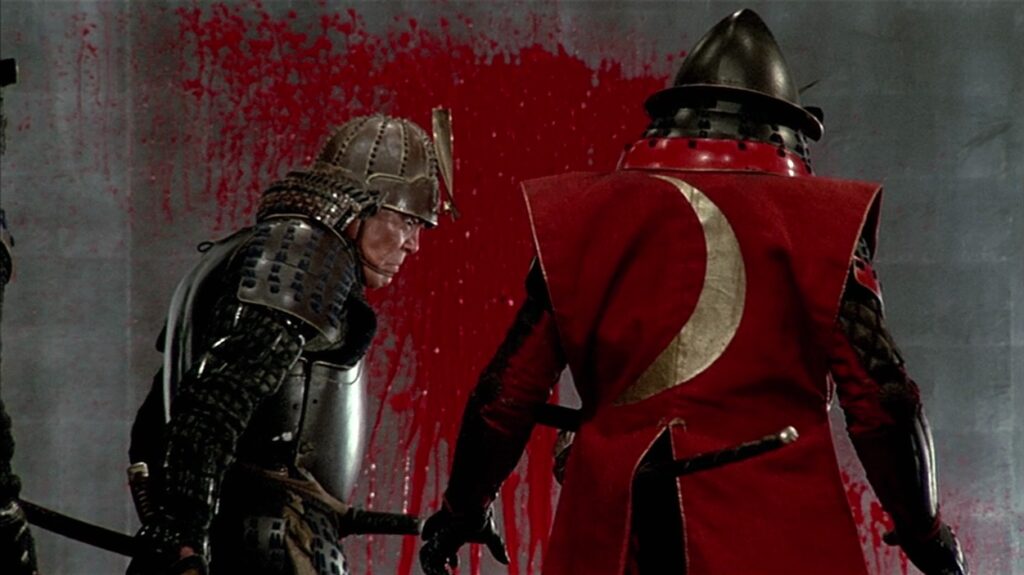
2. Ran (乱) dir. Akira Kurosawa (1985)
Plot/Summary:
In feudal Japan, Hidetora Ichimonji, an aging daimyo, decides to divide his kingdom among his three sons: Taro, the eldest, will become the leader of Ichimonji clan and will receive the First Castle while the second and youngest sons Jiro and Saburo will be given the second and third castles respectively. Saburo criticises his father, calling him foolish for expecting loyalty from his sons who grew up watching him use cruel methods for power and domination, and Tango, his servant, agrees. In response, he banished them both. Leaving his assets among his remaining sons, Hidetora is soon betrayed, with Taro and Jiro driven by ambition and influenced by their wives. He faces the brutality he taught to his sons—his clan annihilated, the lands left in ruin, and Saburo, his only loyal son, dead trying to save him.
Impact/why u should watch:
Power, violence, and ultimately, betrayal, are one of the main themes of Ran. Ichimonji holds his power through violence and the very same violence he taught to his sons bites him back, the same pain he has inflicted on so many haunts him in vengeance through the image of Kaede, Taro’s wife, and the betrayal from Taro and Jiro to gain complete power over the kingdom.
Theme/Historical context:
A reimagined of William Shakespeare’s “King Lear”, Ran received Oscar nominations for directing, cinematography, and art direction, and winning for costume design. The film is highly regarded by critics worldwide for its visuals, performance, and theme.
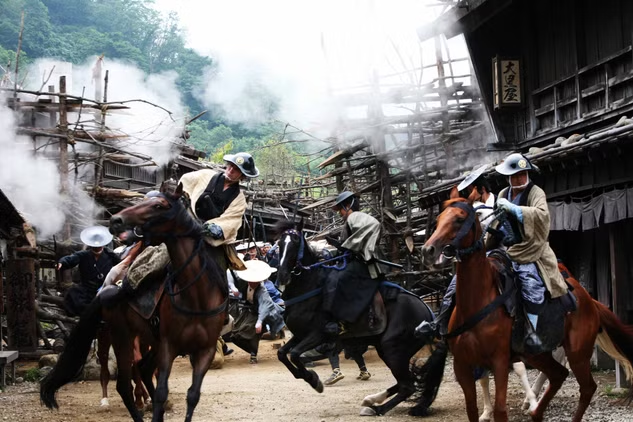
3. 13 Assassins (十三人の刺客) dir. Takashi Miike (2010)
Plot/Summary:
In 1844 during the Edo period, Senior government official Sir Doi Toshitsura secretly hires Shinzaemon Shimada to assassinate Lord Matsudaira Naritsugu of Akishi, the Shogun’s half-brother, as Japan’s fragile peace is at risk from his political ascension for his acts of cruelty, including rapes, tortures, mutilations, and murders. Shizaemon accepts the mission and gathers ten samurai and a ronin, planning to ambush Naritsugu in the remote village of Ochiai. However, Hanbei, Naritsugu’s loyal and honorable retainer, former comrade of Shinzaemon, becomes aware of Doi’s plot and pays a ronin to attack the assassins. Trekking through the mountains, they rescue a hunter named Kiga Koyota who leads them to Ochiai and volunteers as the thirteenth assassins. The then 13 assassins moves forward likely a suicide run against 200 soldiers.
Impact/ why u should watch:
Bushido, the samurai code of honour, emphasises loyalty, duty, and self-discipline. Despite their differences, the 13 assassins are united by their commitment to carry out the mission for the greater good. Another theme of the film includes loyalty and sacrifice, willing to make the ultimate sacrifice and the reality of the mission they accepted.
Theme/Historical context:
13 Assassins directed by Takashi Miike is widely regarded as one of the best samurai films of the 21st century, winning 4 of its 10 nominations at the 34th Japan Academy Prize as well as winning two nominations at the 32nd Yokohama Film Festival.
4. Harakiri (切腹) dir. Masaki Kobayashi (1962)
Plot/Summary:
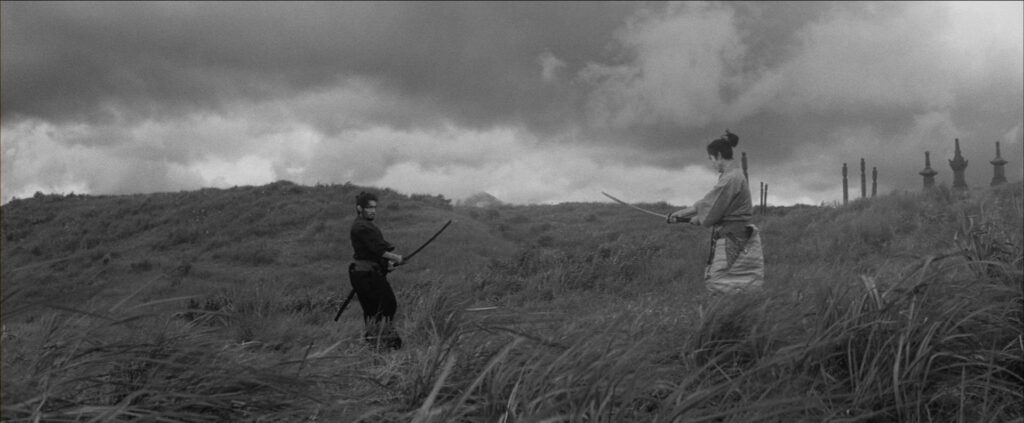
Set during the Edo period, Hanshiro Tsugomo, a ronin, arrives at the Iyi clan’s estate, wishing to end his life honourably, but the clan’s chief counsellor, Saito Kageyu, rejects his request, calling his bluff to gain pity and receive money. Saito recounts the story of Motome Chijiwa, also of his former clan, who made a similar request and was forced to die in a gruesome manner performing the ceremony with a dull bamboo blade. Undeterred by Saito’s warning, Hanshiro insists and asks for a specific samurai to be his second, but the three names he mentioned are all unavailable. Hanshiro then reveals his true intentions and his history with Motome—out of desperation, his son-in-law tried to gain money through a suicide bluff. After his death, his daughter and grandson died, leading to Hashiro seeking revenge by claiming the three samurai who forced him to commit seppuku.
Theme/Historical context:
Hanshiro Tsugomo dares to question tradition and expose hypocrisy of authoritarian power. His act of defiance exposes the clan’s motivation not out of their sense of justice but to maintain reputation and authority. Despite Hanshiro’s vengeance, he is driven by love for his family and justice for their doom. The code of honour is an instrument of oppression, a clean up of disgrace.
Impact/ why u should watch:
Director Masaki Kobayashi’s Harakiri stood out from the other samurai films that glorified bushido, released during post-war Japan. His masterful storytelling and the use of nonlinear narrative continues to influence filmmakers worldwide. Tatsuya Nakadai’s performance as the protagonist and how he conveyed grief received a lot of praise.
5. Last Samurai (ラスト・サムライ) dir. Edward Zwick
Plot/Summary:
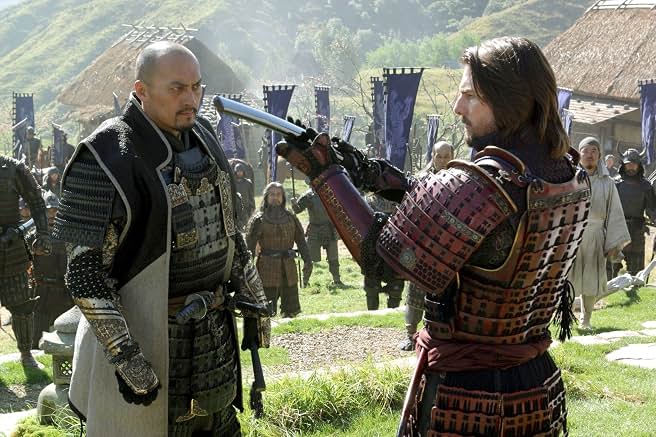
Set in the 1870s, Japanese businessman Omura recruits Captain Nathan Algren, an alcoholic war veteran, to train peasant conscripts for the newly formed Imperial Army of Japan. His untrained troops are unsuccessful in suppressing the rebellion and as a result, Algren was captured and taken to a mountain village. While recovering, Algren learns about the samurai culture and earns respect from the leader of the rebellion, Katsumoto. After being in the village for almost a year, Algren is ultimately returned to Tokyo that became westernised. Choosing to fight alongside the samurai, they lead a last stand against the Imperial Army. Impressed with Algren’s account, Emperor Meiji refuses to sign the treaty, realizing that Japan must modernise, but not at the cost of the country’s identity.
Theme/Historical context:
The movie The Last Samurai is loosely based on the 1877 Satsuma Rebellion, chronicling the end of the samurai class during the Meiji Restoration. While Lord Katsumoto is famously modeled after the legendary real-life samurai Saigō Takamori, the historical rebels actually used modern firearms alongside traditional katanas [Web]. Tom Cruise’s character is loosely inspired by Jules Brunet, a French military officer from the earlier Boshin War, rather than an American soldier [Web]. This dramatic historical shift marked the final transition from the Tokugawa Shogunate to a modernized Japan.
Impact/ why watch:
This masterpiece brilliantly honors the true spirit of Bushido (the samurai code), captivating global audiences and sparking a massive, worldwide fascination with samurai culture. The breathtaking battle choreography combined with the deeply emotional story of warriors fighting to protect their honor will leave you completely spellbound.
Special Mentions:
Throne of Blood (蜘蛛巣城) dir. Akira Kurosawa (1957)
Plot/Summary:
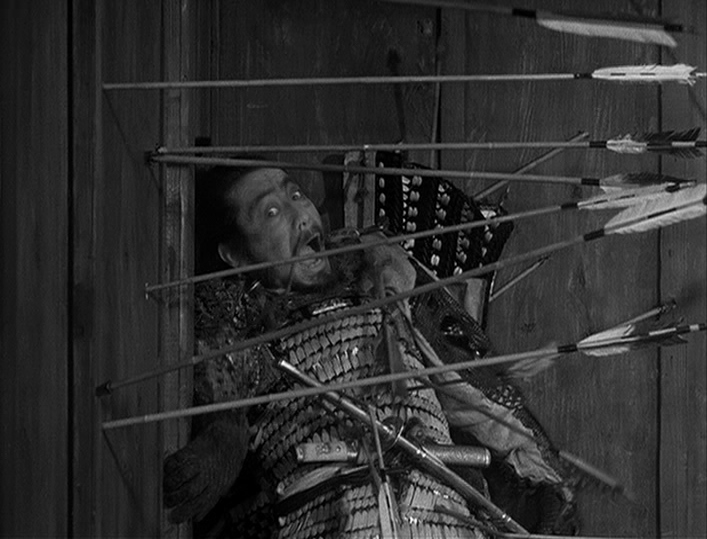
Following a samurai, Taketoki Washizu and his companion, Yoshiteru Miki, they encounter a spirit with a prophecy: Washizu, to be the Lord of Spider’s Web Castle, and Miki’s descendants as rulers after him. Lady Asaji, Washizu’s wife, convinces his husband to kill their master, Lord Tsuzuki. Assuming a lord’s role, Washizu becomes paranoid and arranges to kill Miki, but Miki’s son survives. Soon after, the ghost of Miki haunts him during a feast, letting everyone watch him spiral. This resulted in the downfall of Washizu’s reign, with hails of arrows seeking for his death while he desperately screams, his men now against him.
Theme/Historical context:
With the plot of Shakespeare’s Macbeth, the film explores ambition and corruption, one’s fate and free will, and the cycle of violence, which includes guilt and betrayal. Despite the constant question whether one’s destiny is predetermined or not, it was Washizu being susceptible to his wife, Asaji’s manipulation and later on his paranoia that created a path to his demise. Both Washizu and Asaji succumb to madness out of guilt.
Impact/ why:
From medieval Scotland to feudal Japan, Throne of Blood is highly acclaimed internationally. The scene 0f Washizu’s death inspired the scene of Margaret’s death in Carrie (1976). Praises on the film includes how Kurosawa masterfully retained the atmosphere and brutality of Macbeth while also blending his film with Noh theatre performance.
Yojimbo (用心棒) dir. Akira Kurosawa (1961)
Plot/Summary:
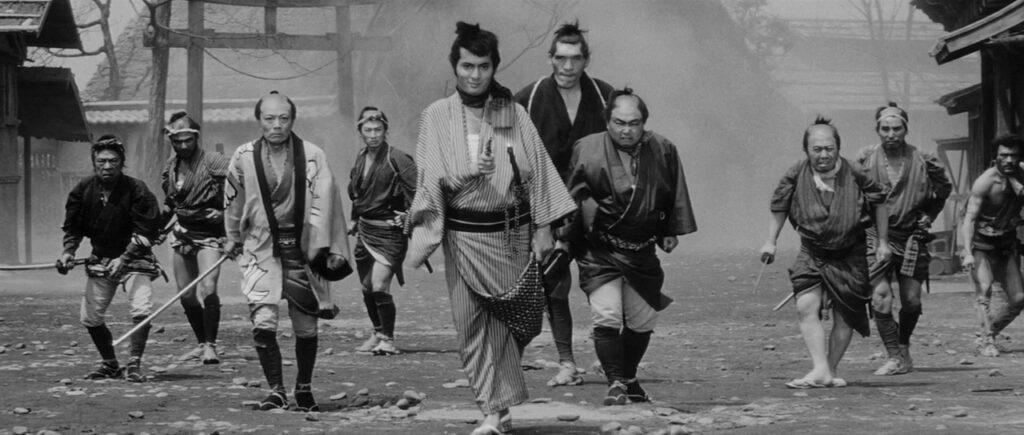
Sanjuro Kuwabatake, a ronin, arrives and learns about the town’s two rival factions from Gonji, the owner of the tavern. Ushitora was once Seibei’s right-hand man until his decision for his son, Yoichiro, to be his successor. On Seibei’s side, the silk merchant, Tazaemon, is the mayor while Tokuemon, the sake brewer, is Ushitora’s mayor, the more widely-recognised. Deciding to stay, Sanjuro pits them against each other. Controlling the narrative and wielding a deadly weapon, Sanjuro is able to rid the town’s instigator of chaos and violence.
Theme/Historical context:
The town is consumed by greed and controlled by corruption, including the mayors that are complicit. Sanjuro, the antihero, uses questionable methods to help the innocent townspeople get rid of the two rival gangs. Rather than pure good versus pure evil, Sanjuro challenges the common narrative with moral ambiguity. Additionally, Sanjuro’s sword symbolises tradition while Unosuke’s pistol is modernity.
Impact/why:
Yojimbo is far from the usual jideigaki (period dramas), becoming a sensation domestically and internationally, most significantly influencing Western cinema that later on established the ‘Spaghetti Western’ genre. The film is highly regarded in cinema history, often mentioned alongside Sergio Leone’s A Fistful of Dollars.
Sanjuro (椿 三十郎) dir. Akira Kurosawa (1962)
Plot/Summary:
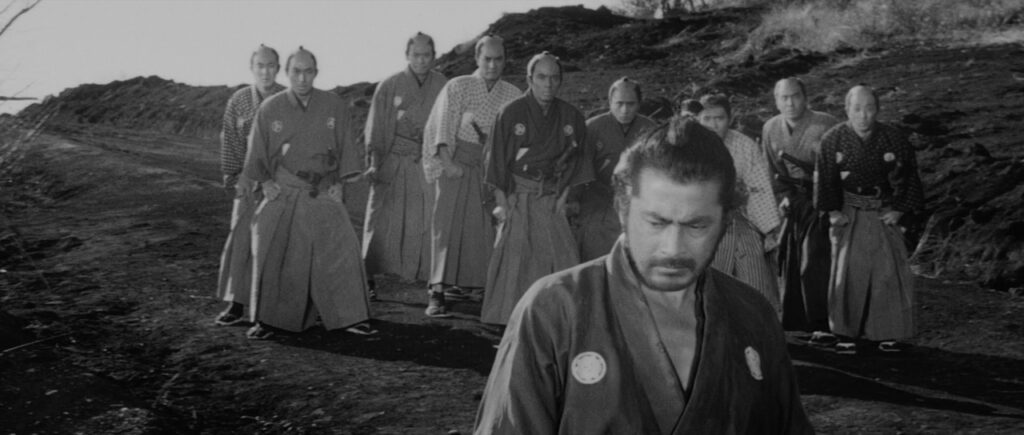
Mutsuta, the lord chamberlain, is believed to be corrupt by the nine young samurai, going as far as one of them telling the superintendent Kikiu. However, a ronin overhears their conversation and cautions them about the superintendent. The ronin, Sanjuro, saves the students from their failed attempt to expose “corruption” and uncovers the truth and the reality of violence.
Theme/Historical context:
Sequel to Yojimbo, the nine young samurai depict the central theme of unreliable judgement based on appearance, most notably how they trust the lustrous superintendent and distrust the scruffy ronin, Sanjuro. He confronts the nine young samurai’s conformity and adherence to tradition. In Yojimbo, he kills without remorse, but in Sanjuro, he avoids it as much as possible, a vast take from the normalised romanticisation of violence.
Impact/why:
One of its most iconic and influential scenes is the film’s final duel, inventing the blood geyser that influenced films like Kill Bill and A Nightmare on Elm Street. Despite the amount of action scenes and humorous tone, it questions violence, remarkably embodied by the chamberlain’s wife, quoting, “The best sword is kept in its sheath.”
Samurai Reborn. Live Your Own Samurai Movie.
Watching these masterpieces on screen is thrilling—but nothing compares to stepping directly into the steel yourself.
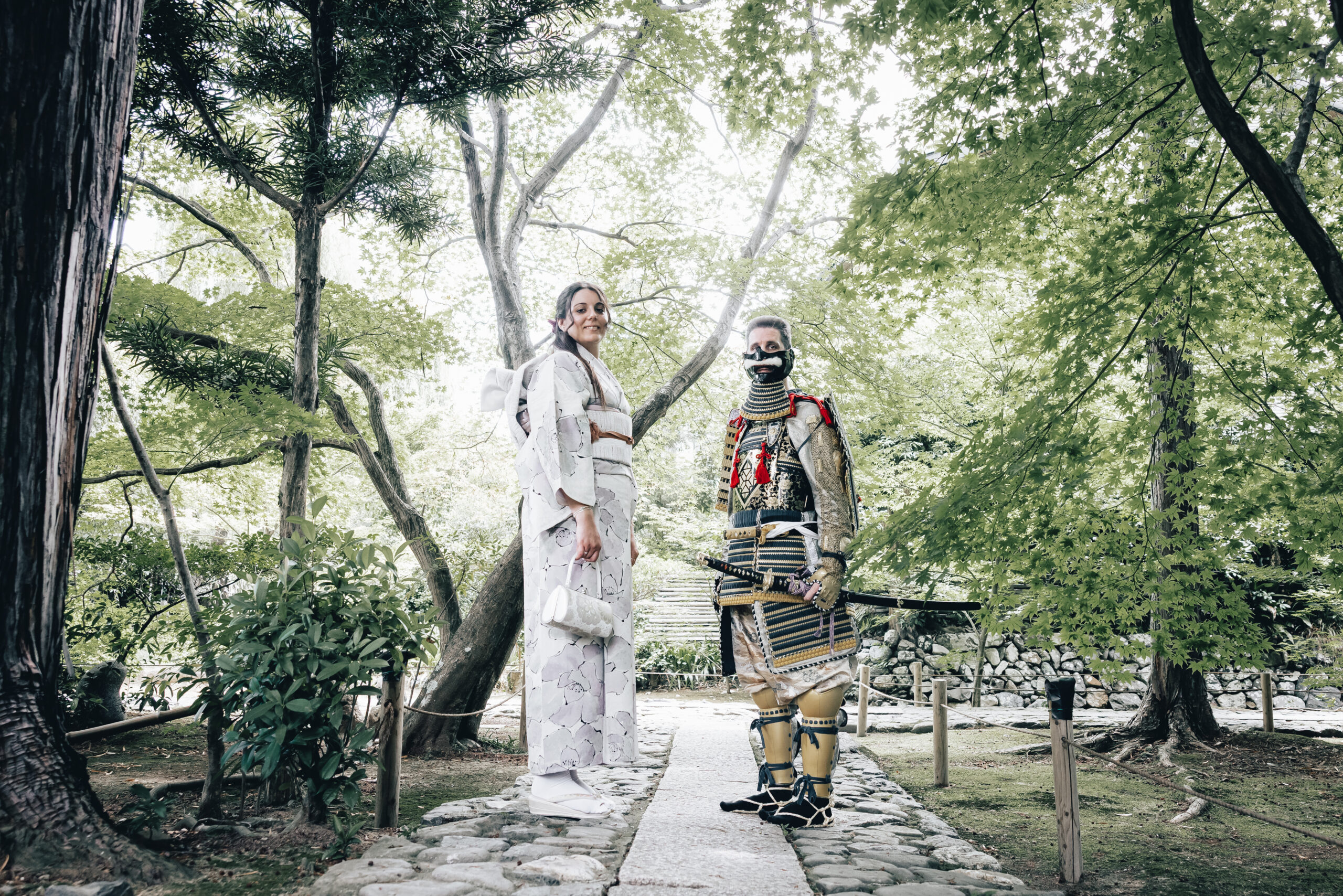
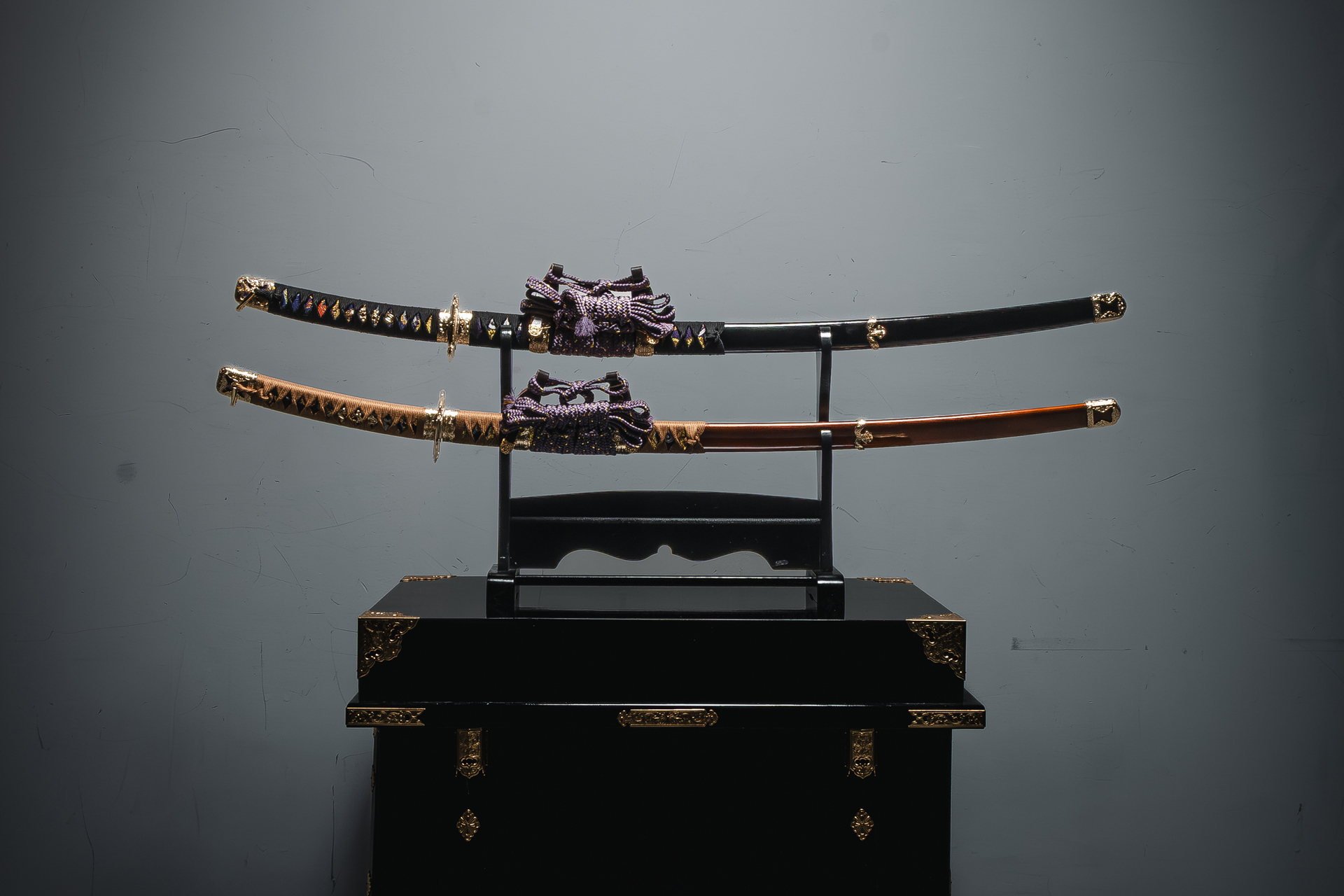
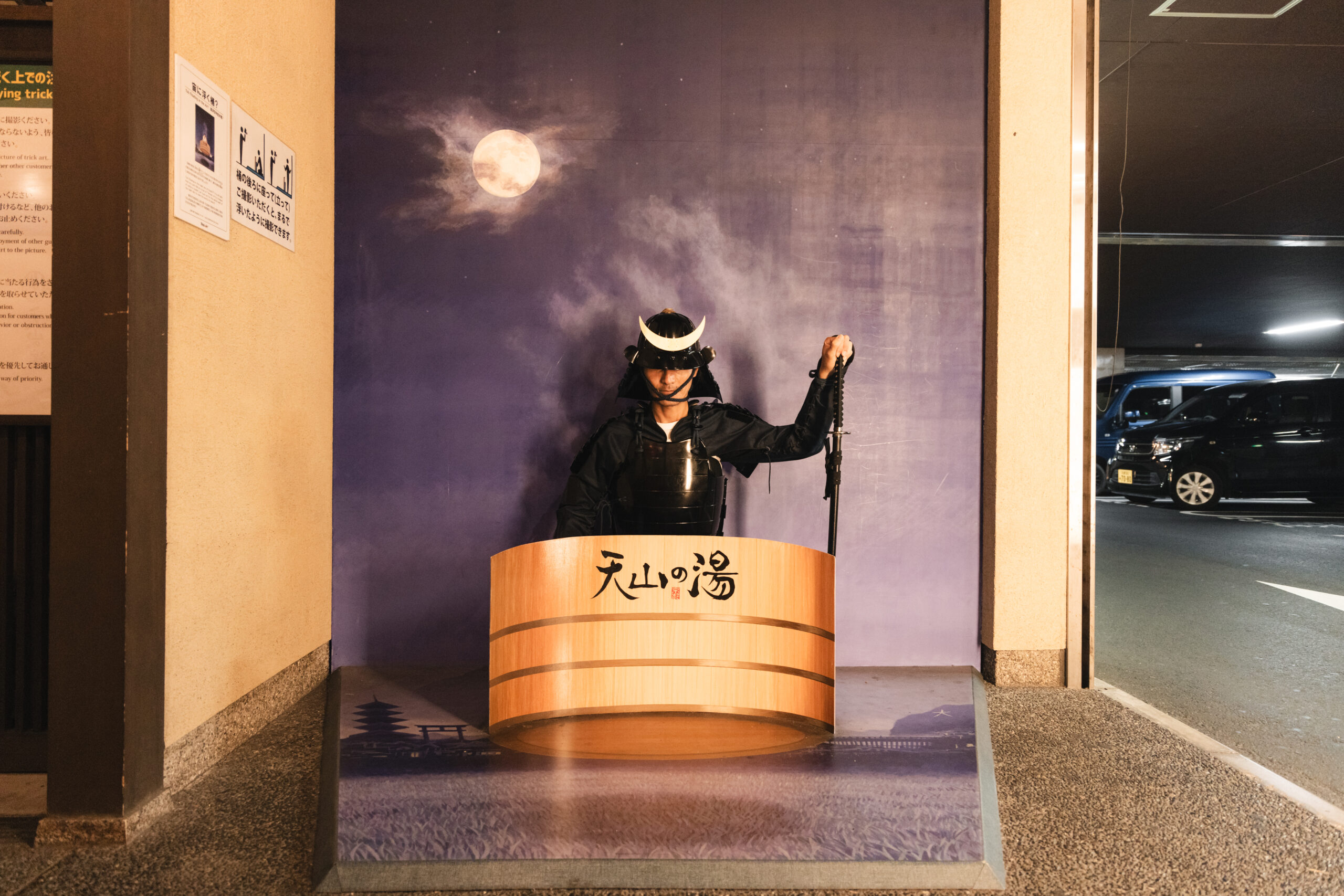
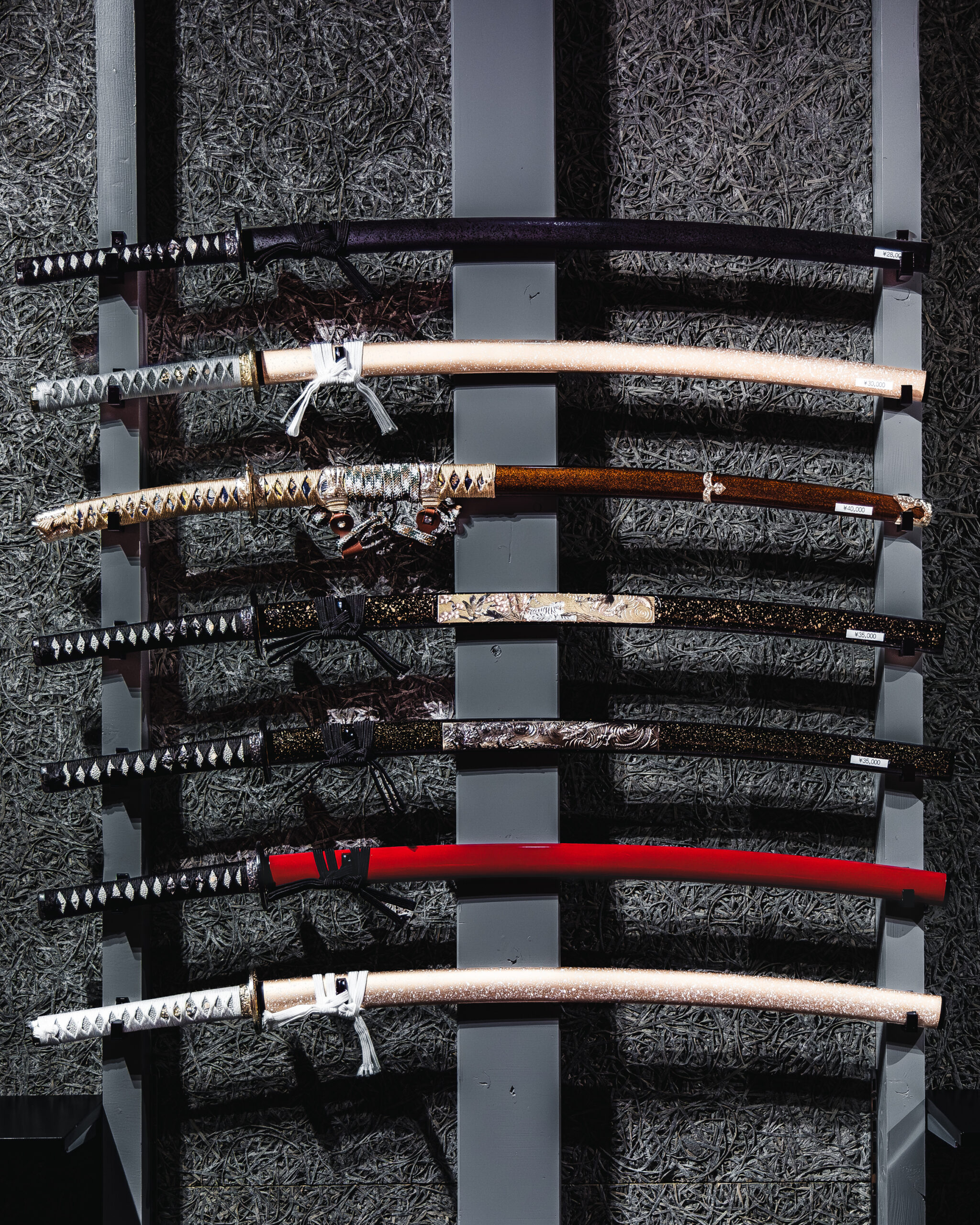
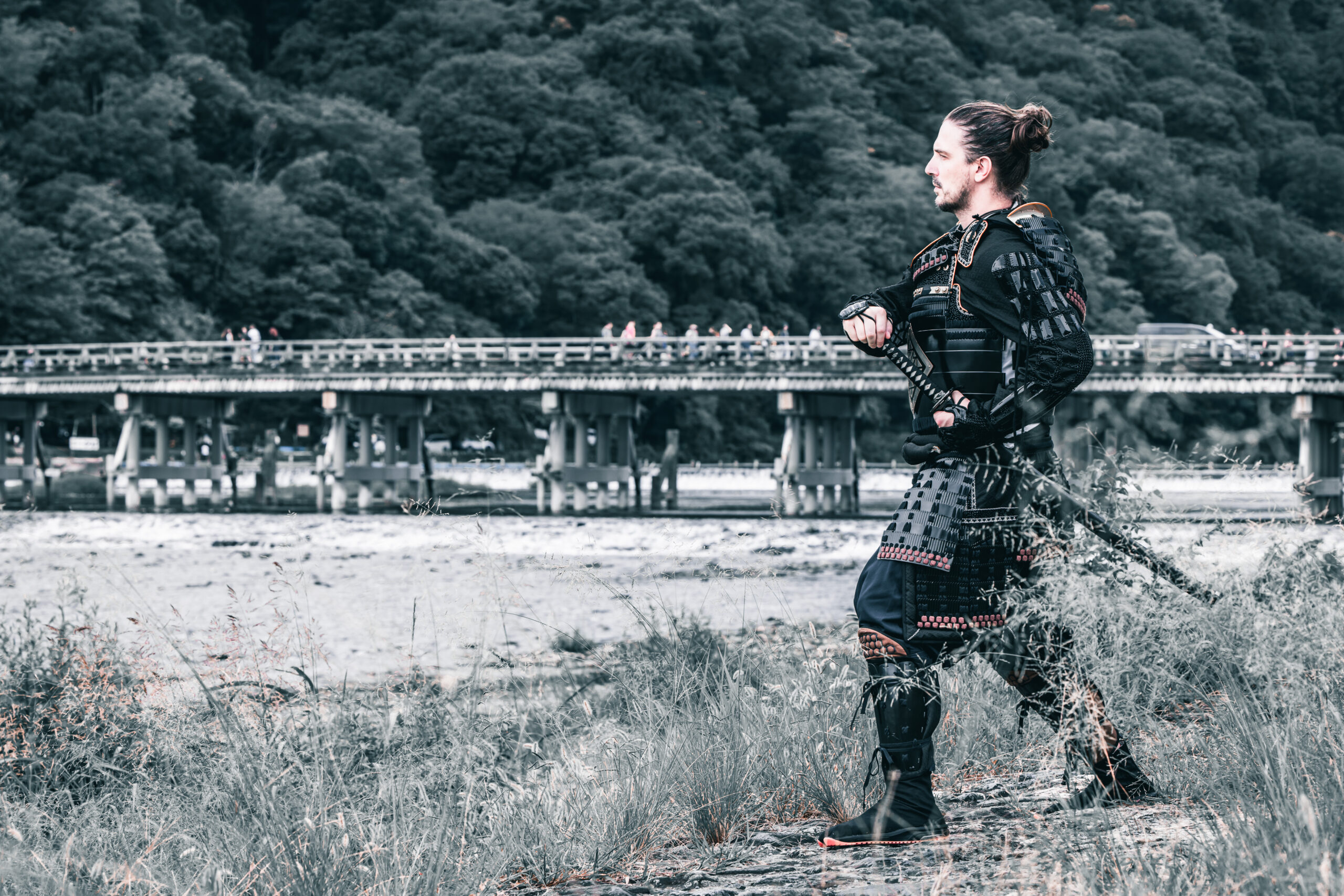
At Shogun Studio Japan, you don’t just learn about the legendary warriors; you become one. Choose your warrior style, wear authentic replica armor, and capture your own cinematic story in the heart of Kyoto!
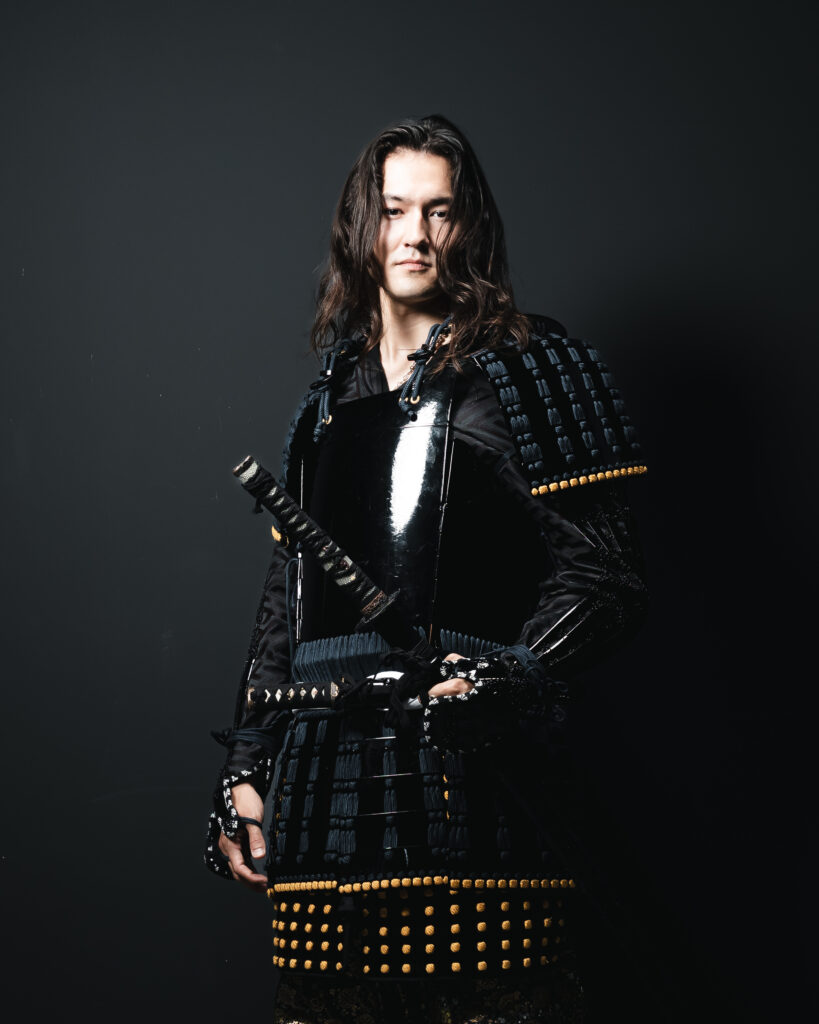
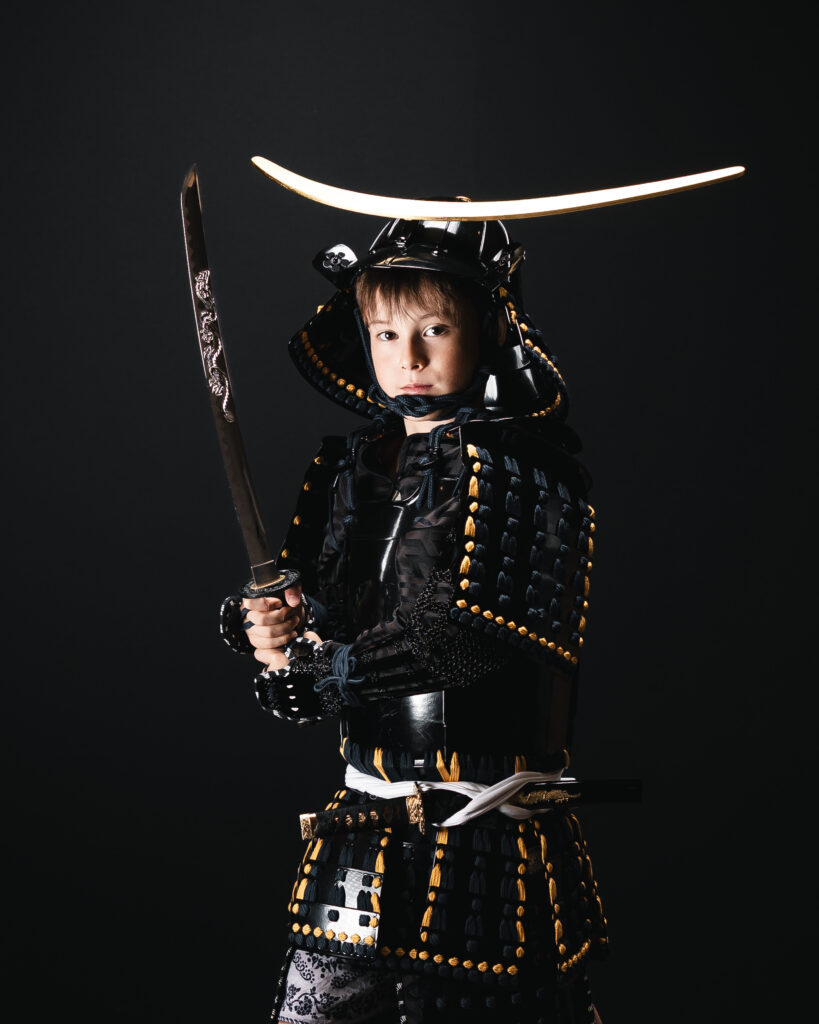
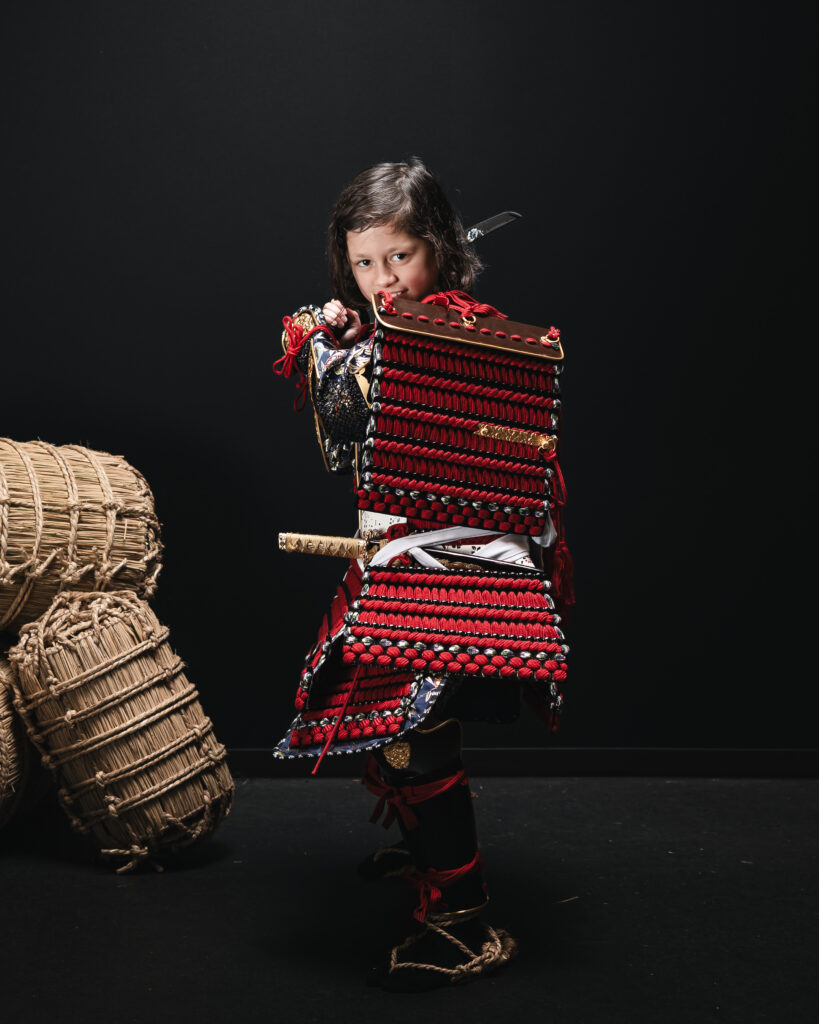
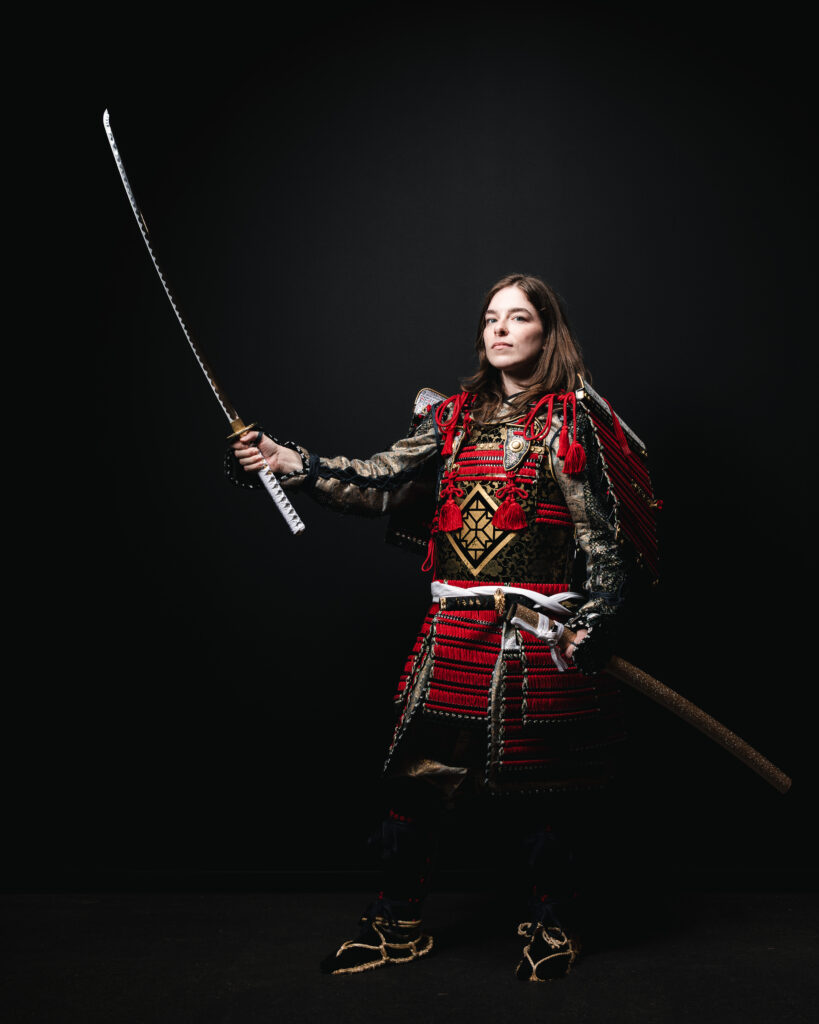
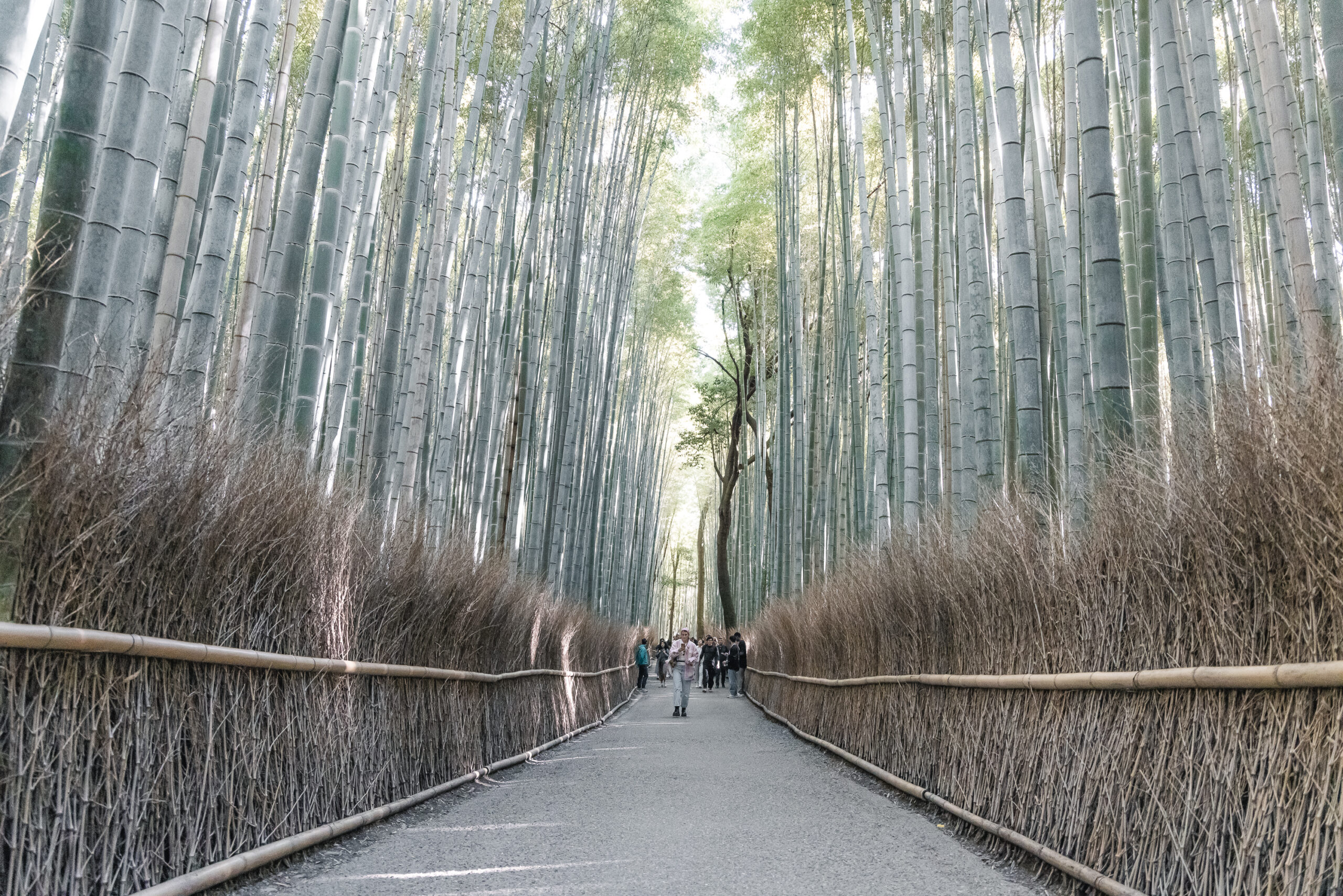
Studio Photoshoot: Arashiyama & Umekoji Hotel Emion.
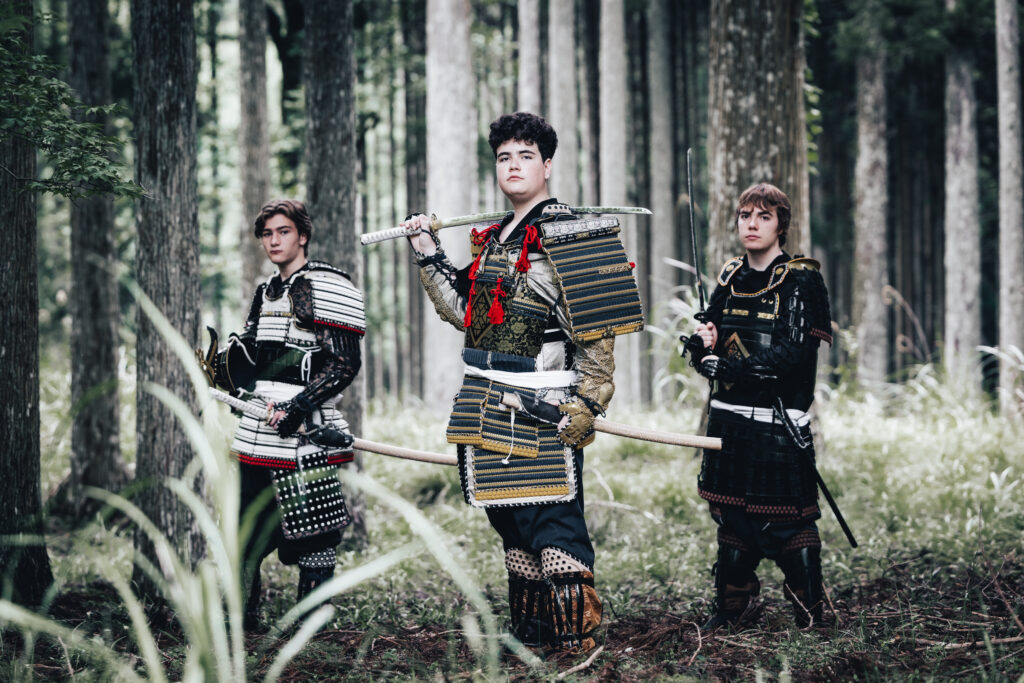
Location Plan- Battle Plan in Arashiyama
⛩️ ENTER THE SHOGUN REALM HERE ⛩️
See ya, samurai 😏⚔️