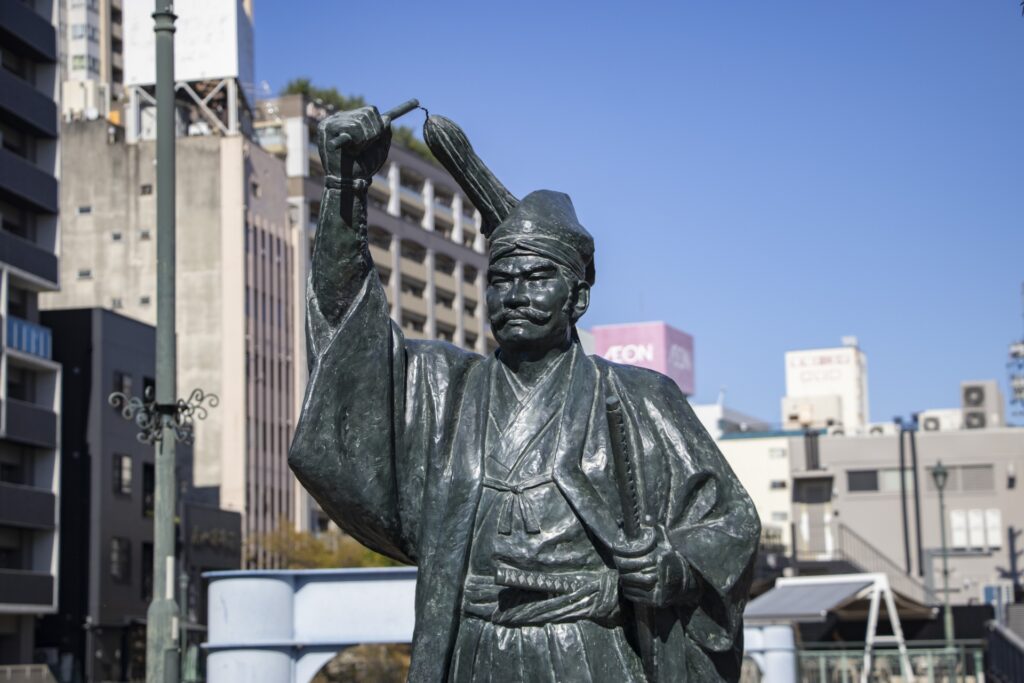
Fukushima Masanori (1561–1624) was one of the most renowned samurai commanders of Japan’s Sengoku period and a key figure in the turbulent years that led to the establishment of the Tokugawa shogunate.
Born into a family connected to Toyotomi Hideyoshi, Masanori became one of Hideyoshi’s most trusted warriors. From a young age, he distinguished himself through courage and skill on the battlefield, earning a reputation as a fearless samurai leader.
Masanori fought in many of the major military campaigns that contributed to the unification of Japan. His achievements during conflicts such as the Battle of Shizugatake (1583) helped establish him as one of the most respected warriors in Hideyoshi’s service. Following this victory, he became one of the celebrated Seven Spears of Shizugatake, a group of samurai recognized for their extraordinary bravery.
After Hideyoshi’s death, Japan entered a period of political uncertainty. During the decisive Battle of Sekigahara (1600), Masanori supported Tokugawa Ieyasu, whose victory paved the way for the rise of the Tokugawa shogun.
As a reward for his loyalty and military accomplishments, Masanori was granted vast lands and became one of the most powerful daimyo in western Japan. However, as the authority of the shogunate grew stronger, his relationship with the Tokugawa government became increasingly complicated.
Despite later political setbacks, Fukushima Masanori remains remembered as a courageous samurai whose battlefield achievements helped shape the world that would become the age of the shogun.
Today, he is celebrated as one of the great warriors of the Sengoku era and a symbol of loyalty, bravery, and martial excellence.
Fukushima Masanori’s Samurai Armor and Warrior Legacy
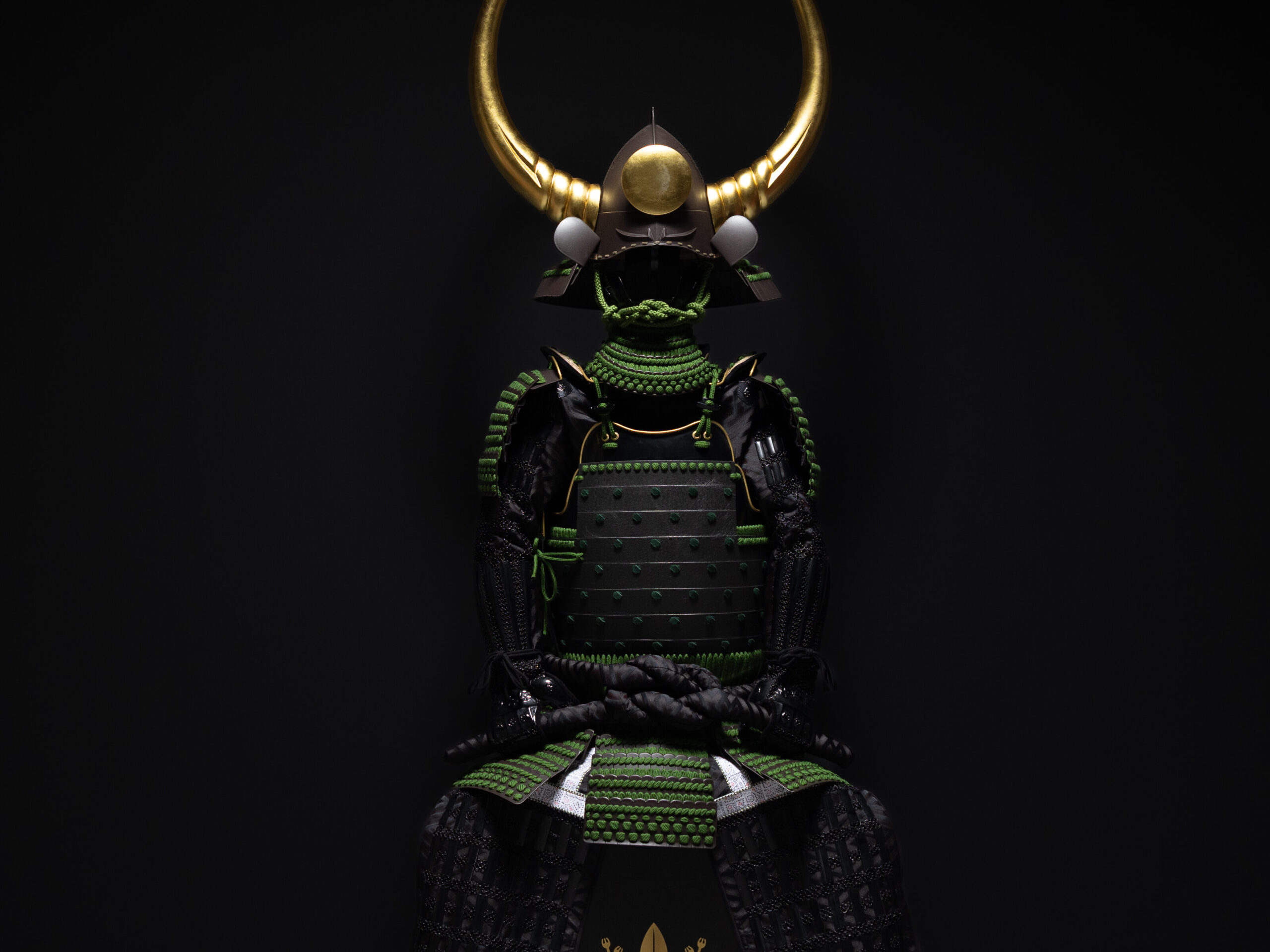
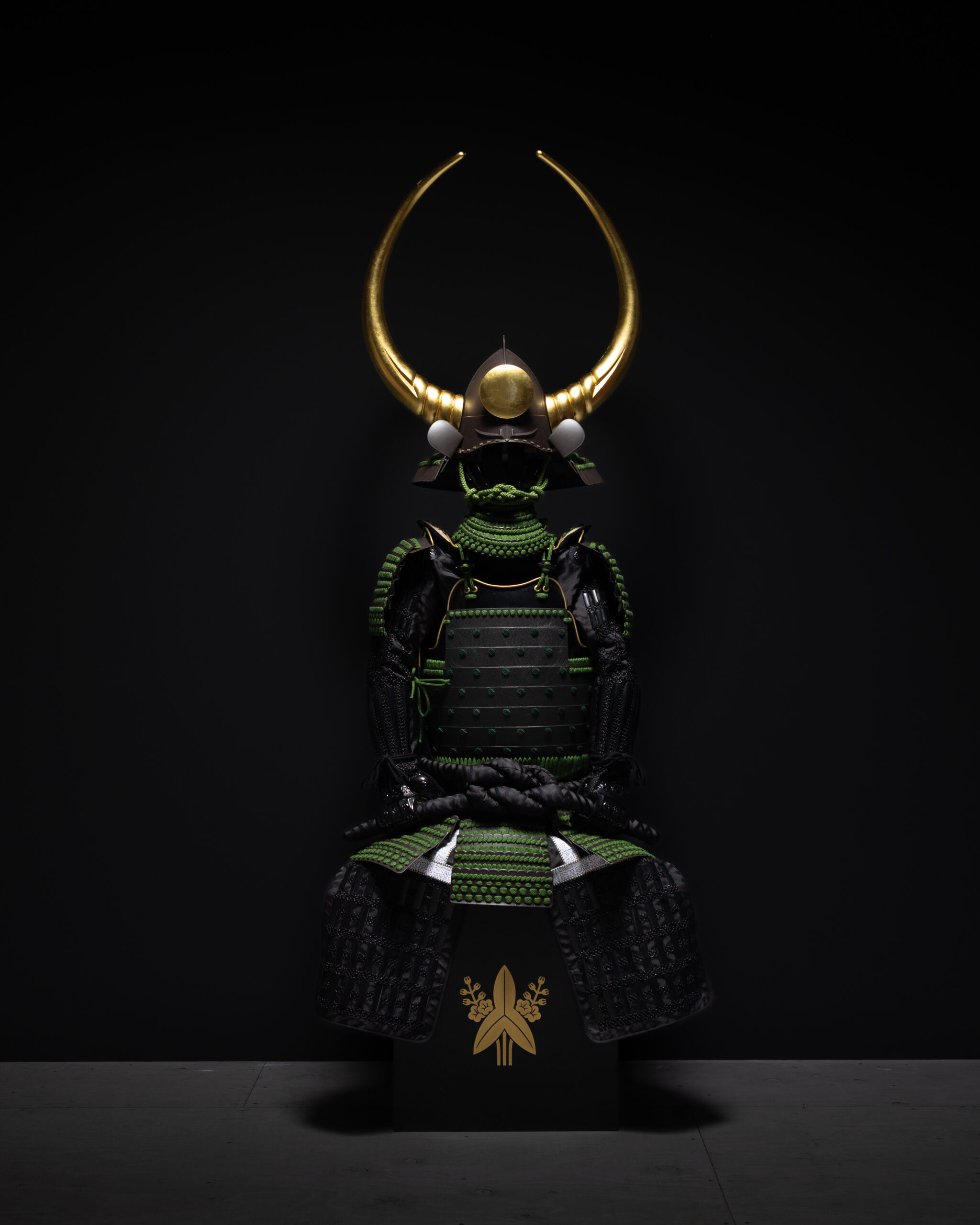
Fukushima Masanori was known first and foremost as a battlefield commander, and the armor associated with him reflects the practical and aggressive nature of a Sengoku-period samurai.
Unlike ceremonial armor from later eras, armor worn during Masanori’s lifetime was designed for constant warfare. Protection, mobility, and durability were essential qualities for samurai who regularly fought in large-scale battles.
As one of the Seven Spears of Shizugatake, Masanori became associated with the image of a bold frontline warrior. His armor would have been intended not only to protect him in combat but also to demonstrate his status as a powerful samurai commander.
Armor from this period often featured strong iron construction, layered plates, and imposing helmets that allowed leaders to be recognized on the battlefield. These elements reflected both military necessity and the prestige of the warrior wearing them.
The armor associated with Fukushima Masanori represents the spirit of the Sengoku samurai—courageous, disciplined, and always prepared for battle. It stands as a reminder of the fierce conflicts that ultimately led to the rise of the shogun and the unification of Japan.
Today, depictions of Masanori in samurai armor continue to capture the imagination of those interested in Japanese military history and the legendary warriors of the shogun era.
Experience Samurai Armor in Kyoto at Shogun Studio Japan
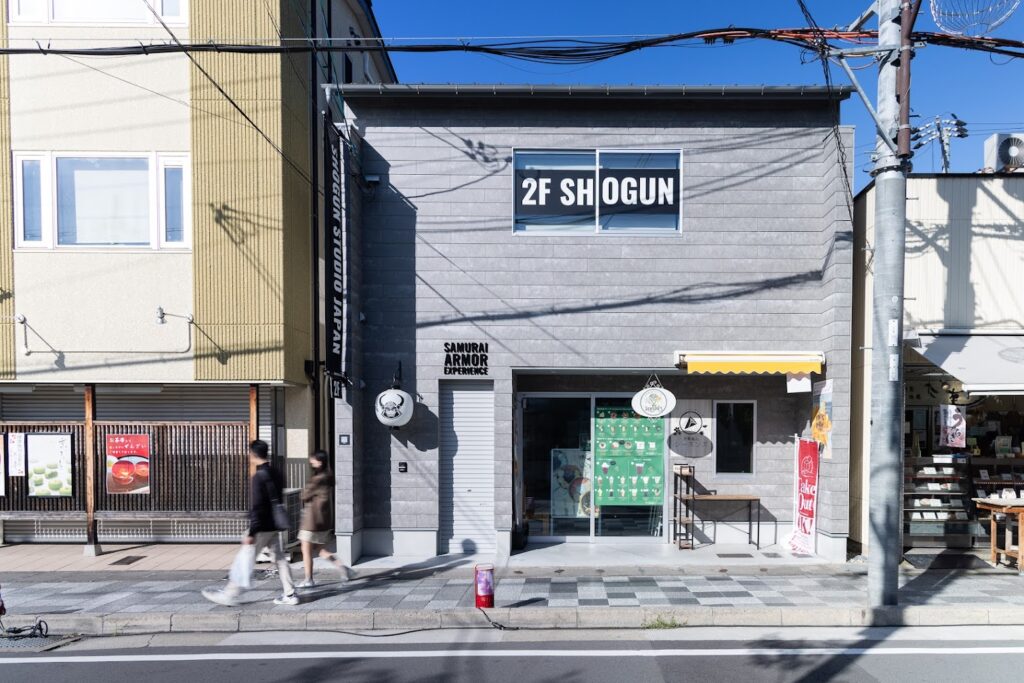
If you admire legendary samurai warriors like Fukushima Masanori, you can experience the world of the samurai firsthand in Kyoto.
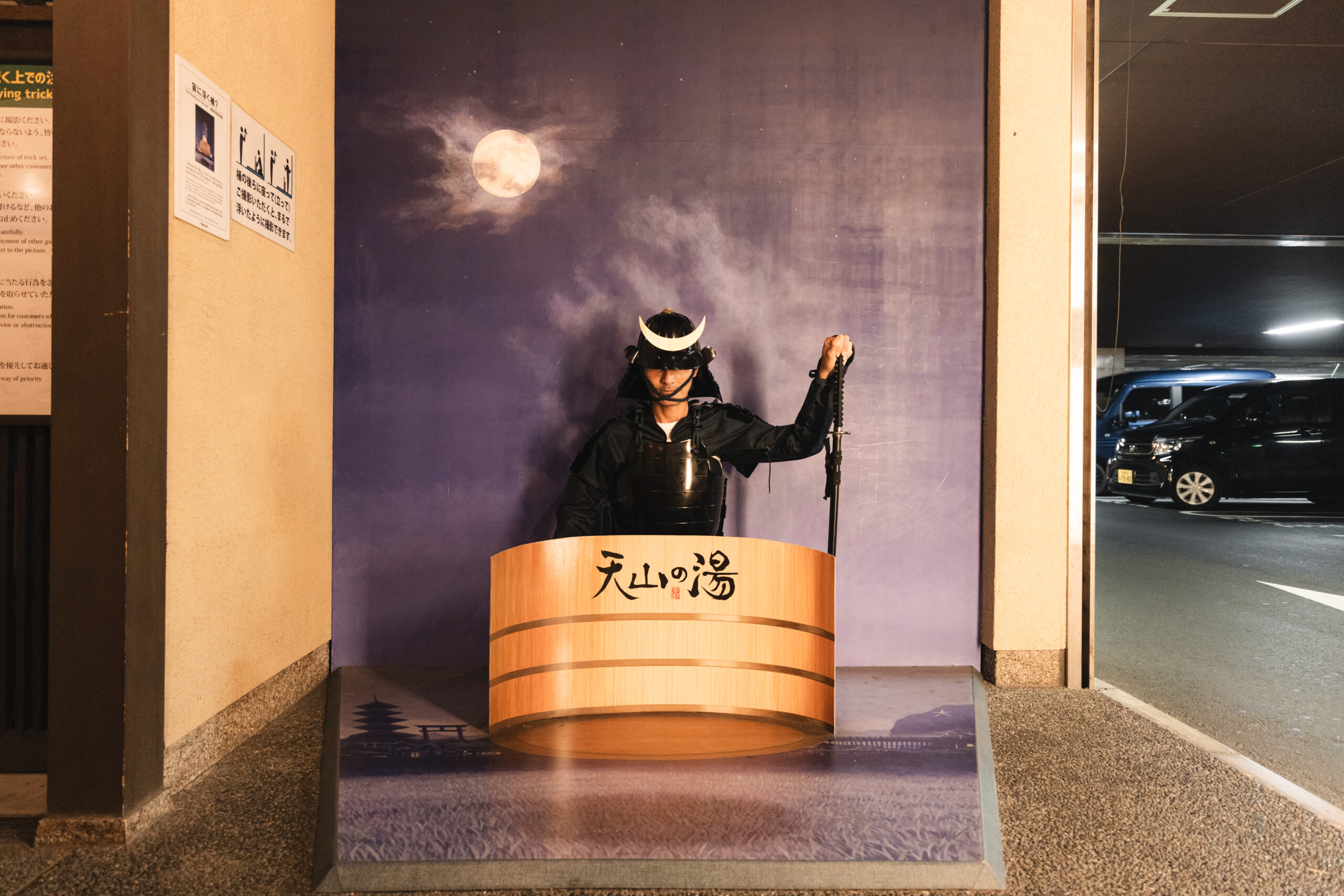
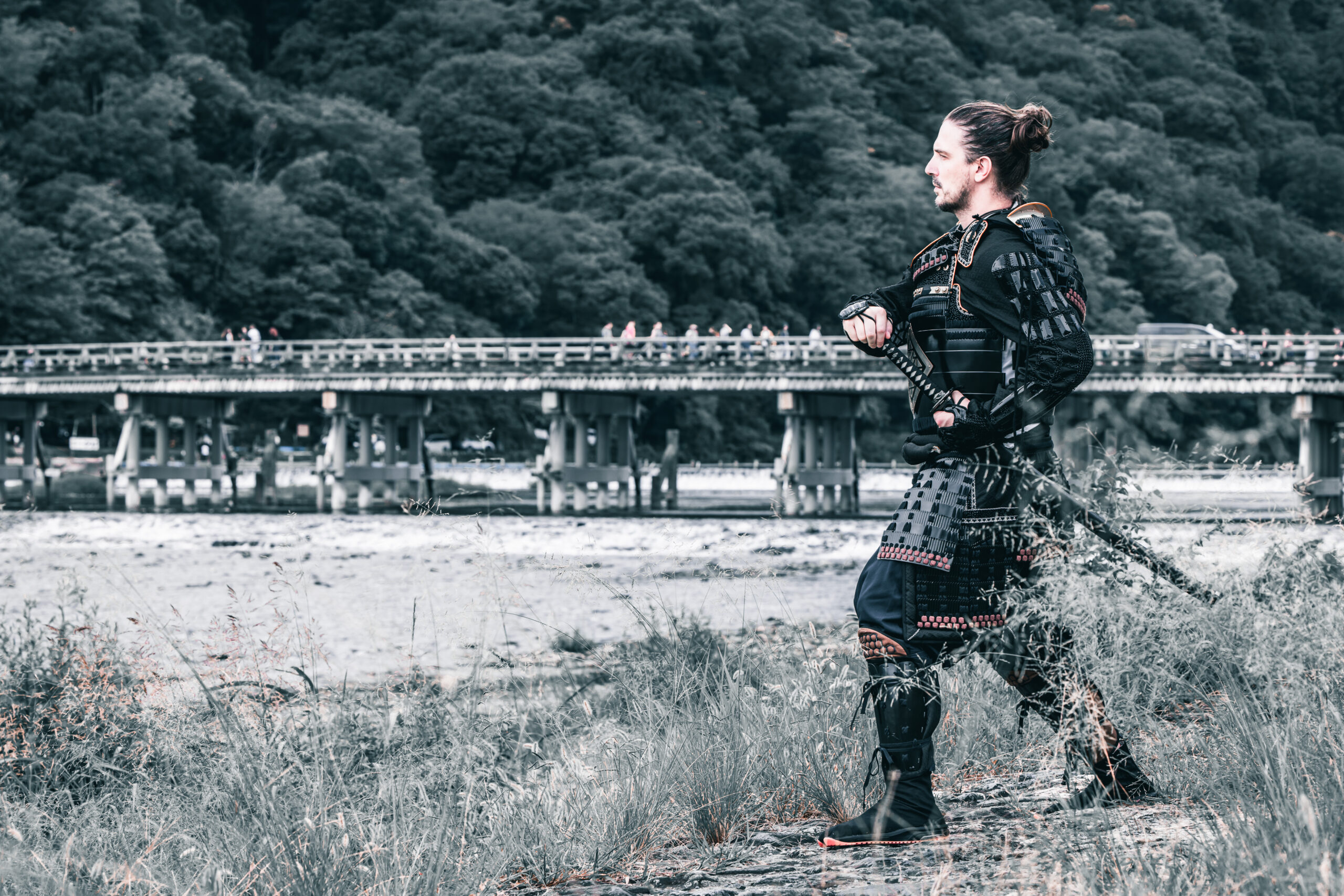
At Shogun Studio Japan, visitors can wear authentic-style samurai armor inspired by the warriors who fought during Japan’s most dramatic historical periods.
The experience offers a unique opportunity to appreciate the craftsmanship, weight, and presence of samurai armor similar to that worn by famous military commanders during the age that gave rise to the shogun.
With professional assistance and photography, guests can fully immerse themselves in samurai culture while creating unforgettable memories in Kyoto.
For travelers interested in samurai history, armor, and the fascinating world of the shogun, Shogun Studio Japan provides an authentic and memorable cultural experience.
Explore More Shogun Figures
Fukushima Masanori is only one of many historical figures connected to the idea of Shogun.
Other warlords, generals, and rulers—
including those who inspired films, dramas, and global interpretations of samurai culture—
are introduced in our SHOGUN category.