Are you a casual player just to have fun, or an enthusiast gamer seeking challenges?
Samurai culture has deeply shaped the gaming world, leaving its mark across almost every genre. Whether you love immersive RPG narratives, fast-paced FPS action, deep tactical strategy, or clever puzzle-solving, there is a perfect samurai game for you to try.
Let’s count down from 10 to 1 and discover the best video games inspired by samurai heritage to find your ultimate gaming style!
10. Sekiro: Shadows Dies Twice
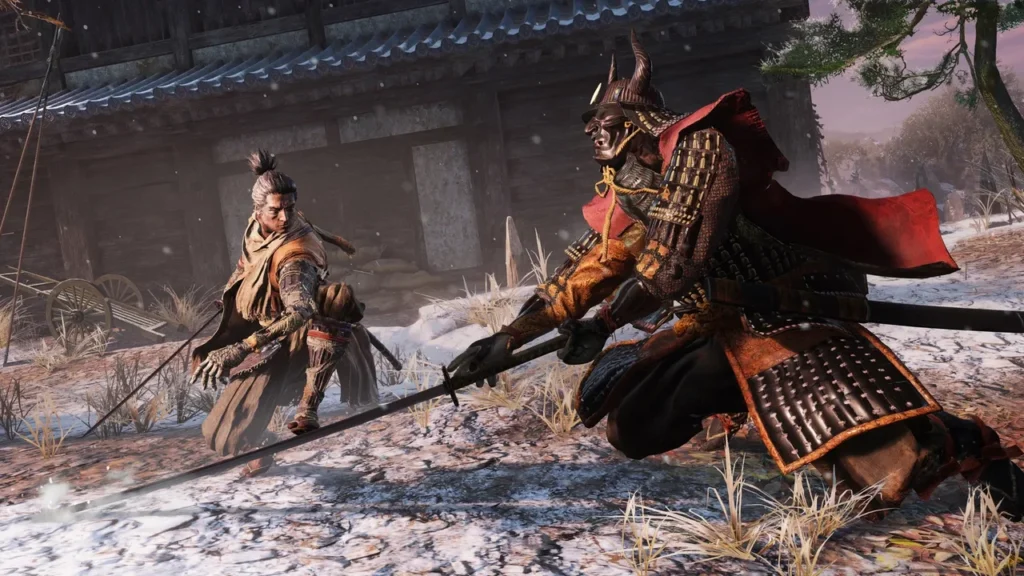
Story/Lore: Set in the late Sengoku period, the Ashina clan, led by Isshin Ashina, seizes land rich in divine favor, including a deity, the Divine Dragon, which offers immortality. An orphan named “Wolf,” raised by the shinobi Owl, is tasked with protecting Kuro, the last of the Dragon’s Heritage line. As time passes, Isshin’s clan faces threats from the Interior Ministry. Kuro’s blood becomes the target for Genichiro, Isshin’s grandson, who seeks to create an immortal army. After defeating Wolf and capturing Kuro, Wolf is rescued by a Sculptor and given a prosthetic arm, taking on the name Sekiro. Wolf’s journey leads to four possible endings based on player choices: Shura, where he succumbs to bloodlust; Immortal Severance, where he restores life and death’s natural order; Purification, sacrificing himself for Kuro’s mortality; and Return, enabling the Divine Dragon’s return to the West.
Inspired from Samurai culture: Blending Sengoku era history, Shinto-Buddhism folklore, and Japanese mythology, the game is a work of historical fantasy. The era was a chaotic time of clan wars with its medieval atmosphere. The Ashina clan in the game actually existed, but it was dramatised in the game.
9. Onimusha
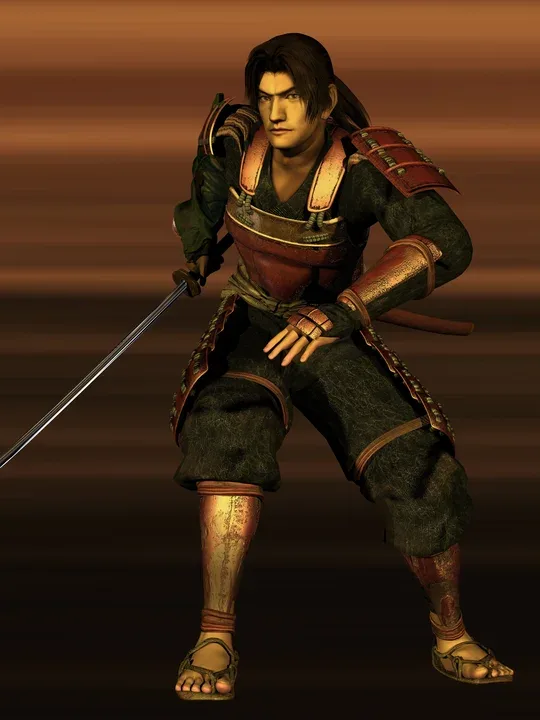
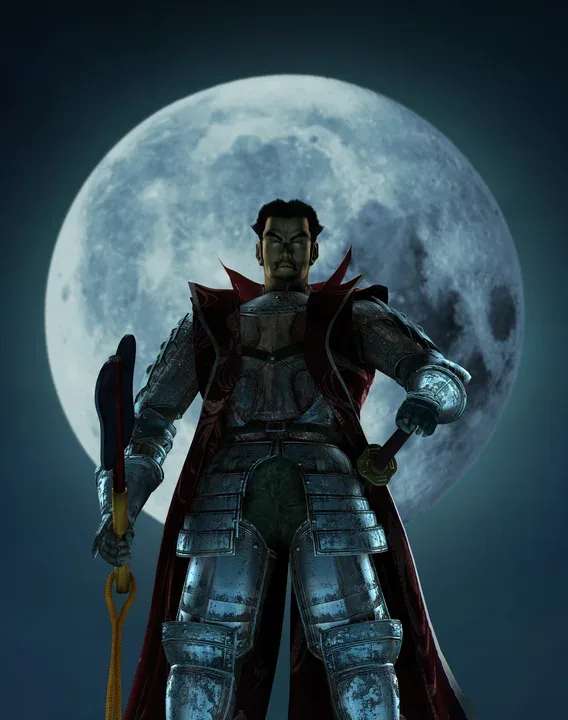
Story/Lore: Onimusha is a dark-fantasy action series set in the Sengoku period, melding historical events with mythological battles between the Oni clan and the Genma. The series starts with Sengoku Biohazard and follows Samanosuke Akechi, who, after Oda Nobunaga’s death, teams up with kuniochi Kaeda to rescue Princess Yuki from demonic Genma. Samanosuke gains powers from the Oni clan to fight the Genma, ultimately saving the princess and defeating Genma Lord Fortinbras. The sequel, Onimusha 2: Samurai’s Destiny, depicts Nobunaga using his Genma army for domination, leading to Jubei Yagyu seeking vengeance after his clan’s destruction. The series includes Onimusha 3: Demon Siege, featuring time travel, and Onimusha: Dawn of Dreams, focused on Kideyasu “Soki” Yuki, Oda Nobunaga’s former servant.
Inspired from Samurai culture: A blend of Sengoku and Edo periods history and Japanese mythology and folklore, Onimusha heavily leans into demons and monsters. The game features real warlord Oda Nobunaga, legendary 17th century samurai Yagyu Jubei Mitsuyoshi, and a protagonist in the 3rd game based on samurai Hidemitsu Akechi. The supernatural enemies are genma (demons) and the protagonists harness mystical powers of the oni (“good” supernatural beings).
8. Total War: Shogun 2: Fall of the Samurai
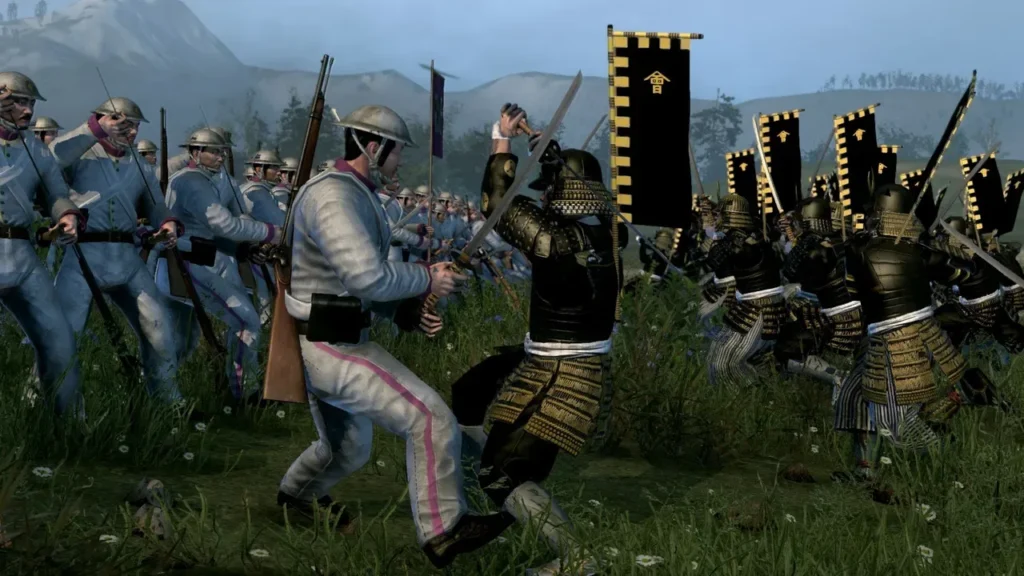
Story/Lore: A Total War Saga: Fall of the Samurai is a standalone expansion set in mid-19th century Japan during the Bakumatsu and Boshin War, marked by rising anti-Western sentiment as Japan modernized. The game features three new agents: The Foreign Veteran, The Ishin Shishi, and The Shinshengumi, alongside geisha characters that lack assassination capabilities. Players can choose between three clans supporting the Shogunate (Aizu, Jozai, Nagaoka) and three Imperial clans (Tosa, Satsuma, Chosu). Additionally, the game includes interactions with Western powers such as the United States, Great Britain, and France. Players manage conflicts in various domains to influence the outcome of the Boshin War.
Inspired from Samurai culture: The game is set during the Bakumatsu period and the Boshin War in Japan, featuring a civil conflict between pro-emperor samurai and the Tokugawa shogunate. The arrival of US Commodore Matthew Perry’s fleet prompted Japan to open its borders, leading to political instability and a division into two factions: the Imperial Faction (southern clans like Satsuma, Choshu, and Tosa, supported by Great Britain) and the Shogunate faction (Tokugawa government and northern clans like Aizu and Nagaoka, backed by France). Both factions adapted to modern warfare, using rifles, guns, and steam warships instead of traditional katanas.
7. Rise of Ronin
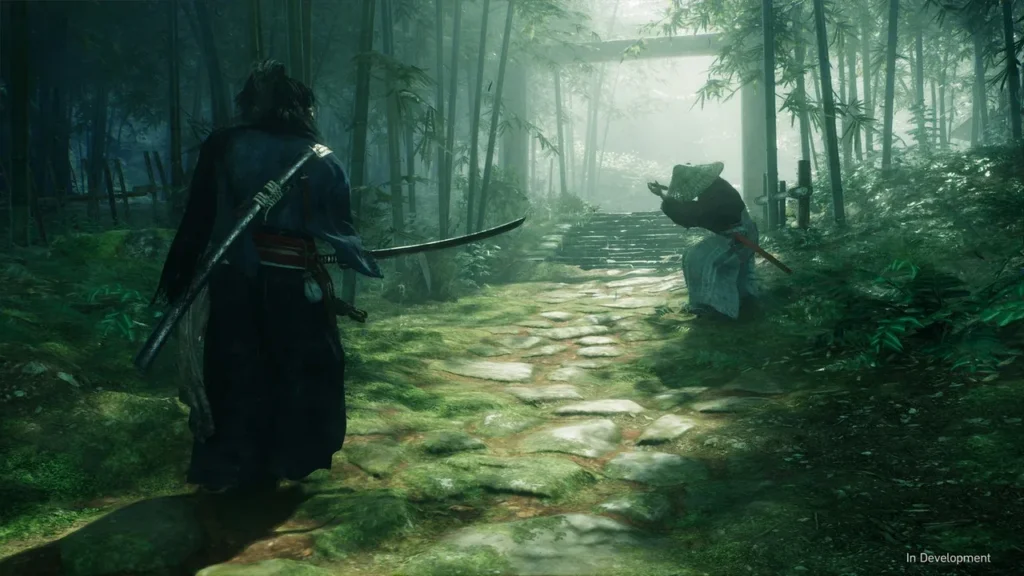
Story/Lore: In the backdrop of the Bakumatsu period, a village within the Kurosu clan faces devastation as shogunate spies attack due to the clan’s insurrection plans. An elderly figure, referred to as the “Bladesmith,” saves the blade twins, grooming them for future roles as warriors in the Veiled Edge resistance. Fast forward to 1853, the arrival of American black ships disrupts Japan’s 220-year isolationism, prompting the Kurosu clan’s lord to command the twins to assassinate Commodore Matthew Perry and obtain a secret pact. Although they succeed in stealing the message, they fail to kill Perry, thwarted by another assassin known as the Blue Demon. In the ensuing chaos, one twin sacrifices themselves for the other’s escape. Following a brutal attack on their village by the shogunate’s oniwaban, the surviving twin is coerced into a duel by the Bladesmith, ultimately winning the right to leave the clan. Now a ronin, the twin embarks on a journey through Edo to Kyoto, seeking to confront their twin to reconcile profound ideological differences—either through victory in battle or by persuading them to reconsider their destructive path.
Inspired from Samurai culture: The game is based on true historical events in 1860’s during the Bakumatsu period where Japan ended its sakoku or isolationist foreign policy under foreign diplomatic and military pressure. Feudal Tokugawa shogunate were forced to let western countries enter Japan while revolutionary samurai fought to expel them. Real historical figures are included like Sakamoto Ryoma, Katsu Kaishu, and Yoshida Shoin. The game weaves through actual documented events, such as the Sakurada Gate Incident and the Forbidden Gate Rebellion.
6. Like a Dragon: Ishin!
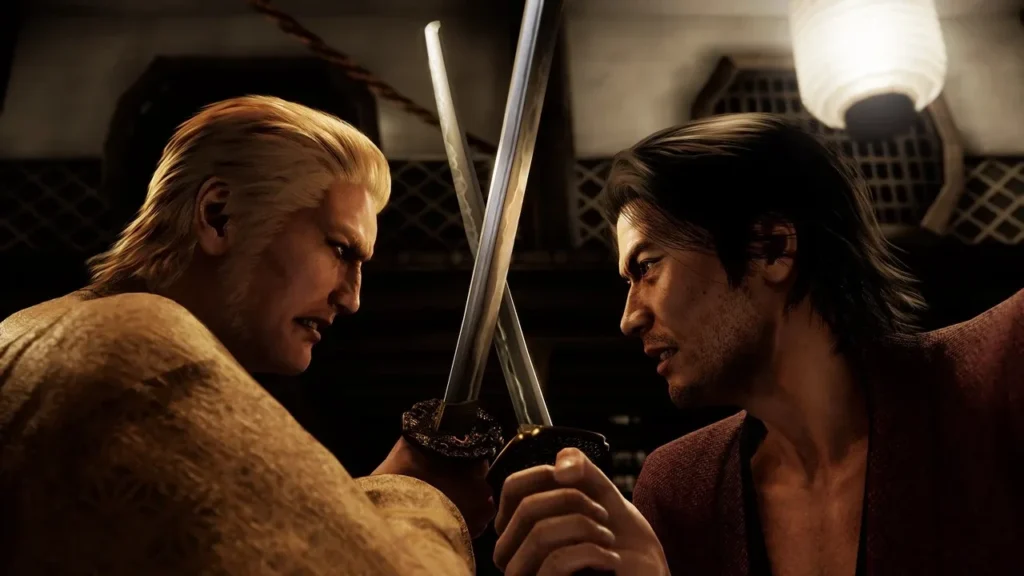
Story/Lore: Set in the tumultuous Bakumatsu period of the 1860s, “Like a Dragon: Ishin!” follows Sakamoto Ryoma, a disgraced ronin seeking justice for his adoptive father’s murder. Disguised as Saito Hajime, he joins the Shinsengumi and navigates a landscape of allies and enemies, including an imposter using his name. Accusations arise when Sixth Division Captain Inoue Genzaburi is killed, but the truth reveals deeper conspiracies tied to Ryoma’s brotherhood with Takechi. As tensions rise, Ryoma confronts multiple adversaries, ultimately facing Takechi, who reveals a larger plot by Yamauchi Yodo to manipulate the political landscape. After numerous trials, Ryoma kills Yodo to protect Japan’s independence, while Takechi assumes Yodo’s identity for the Meiji Restoration. Ultimately, Ryoma chooses to retire from his past and live a quiet life as Saito in the countryside.
Inspired from Samurai culture: The young samurai named Sakamoto Ryoma is based on a real-life person who lived during the Bakumatsu era in the mid-1800s and catalysed the fall of the Tokugawa shogunate. Saito Hajime, Ryoma’s assumed alias, is also based on a samurai of the late Edo period and captain of the third unit of the Shinsengumi. These are separate and distinct people in real history yet features real political and cultural upheaval, which includes foreign powers, anti-foreign views, and the impending modernisation and civil war in Japan.
5. Assassin’s Creed Shadows
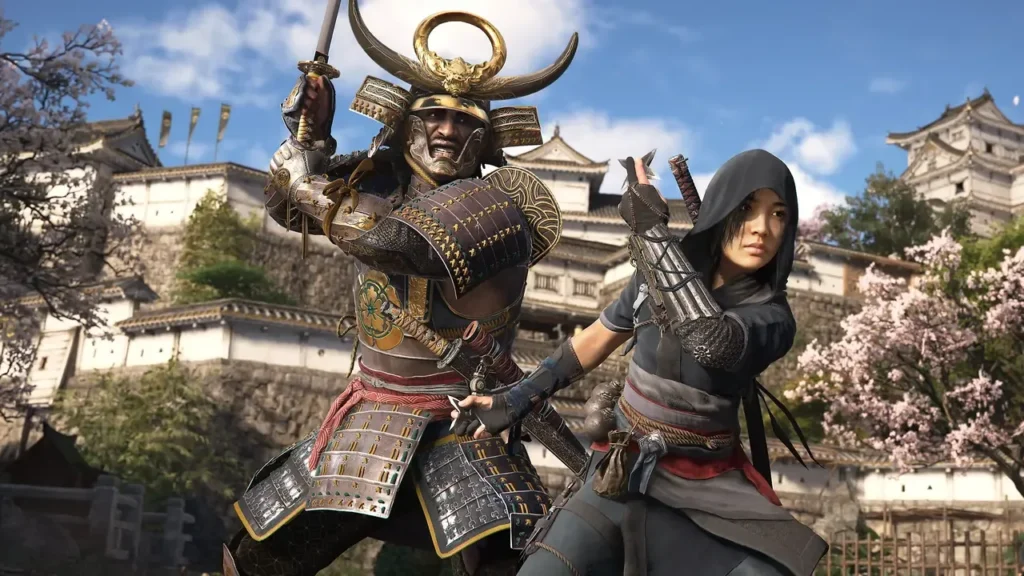
Story/Lore: Set in the late 16th century Japan during the Azuchi-Momoyama period, this era highlights the efforts of warlords to unify the nation. Beginning in 1579, Oda Nobunaga rose to power after his victory over the Takeda clan by utilising advanced warfare tactics including arquebus firearms. This sets his campaign to consolidate control over Japan. Portuguese traders and Jesuit missionaries introduced Christianity and Western technologies like cannons and firearms and played a significant role in shaping the world of Assassin’s Creed Shadows and its conflicts. The game features Japan’s regions like Kyoto, Osaka, Iga Province, and Kobe.
The narration in this game weaves through the perspectives of two distinct characters:
Fujibayashi Naoe is a kunoichi (female shinobi) and a fictionalised daughter of shinobi Fujibayashi Nagato of Iga Province. Her story focuses on honouring trust, community importance, and combat.
Yasuke is an African samurai. His story is about confronting his past and finding a new purpose.
Despite starting as enemies, they become unlikely allies as they try to restore peace and stability to Japan.
Inspired from Samurai culture: Set in the late 16th century during the Azuchi-Momoyama period, the fall of the Iga ninja clans was led by Oda Nobunaga–daimyo and one of the leading figures of the Sengoku–to wipe out shinobi influence. The rise of Tokugawa Ieyasi, a daimyo and the founder and first shogun of the Tokugawa shogunate of Japan, is a key figure in unifying Japan. During this time, there was a cultural clash between samurai and shinobi.
Yasuke is inspired by the real-life African samurai who served under Oda Nobunaga between 1581 and 1582. He was brought to Japan by an Italian Jesuit missionary, Alessandro Valignano. Nobunaga was fascinated by the colour of Yasuke’s skin and physique, which he later took Yasuke into his service.
Missionaries Luís Fróis and Allesandro Valigno are also in the game as well as renowned figures in Japan such as Hattori Hanzo, Akechi Mitsuhide, Ise Sadaoki, and tea master Sen no Rikyū.
4. Nioh 2
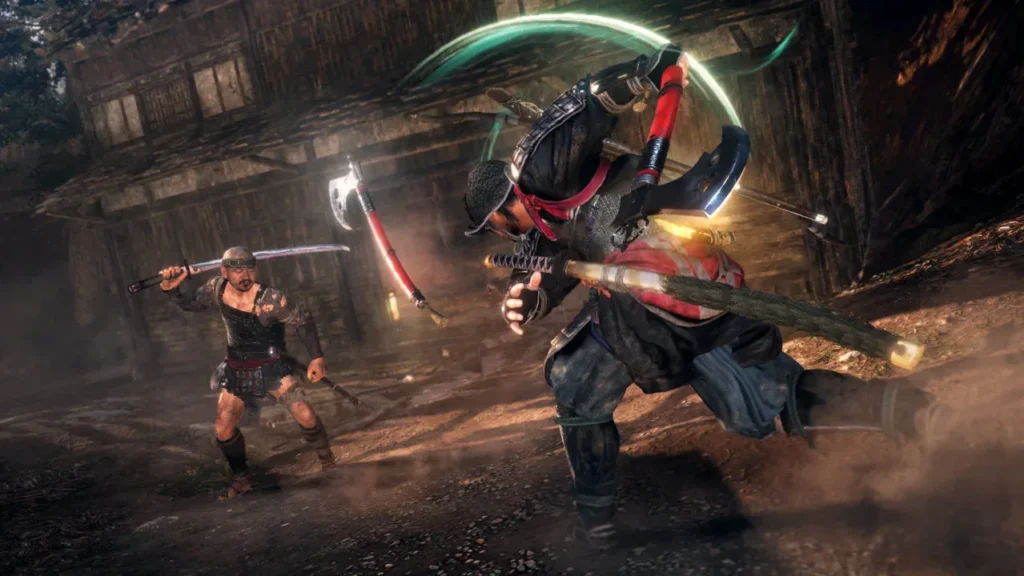
Story/Lore: In a yokai-infested village, Hide and Tokichirō forge a bond as they protect powerful lords during Japan’s war. Hide learns that Yoshiatsu, Dōsan’s son, is his twin. Following Yoshiatsu’s death, a dark spirit, Kashin Koji, brings supernatural conflict. Serving Oda Nobunaga, they adopt the name “Hideyoshi.” After Nobunaga’s betrayal during the Honnōji Incident, Tokichirō becomes ruthless, ultimately clashing with Hide. At the Battle of Komaki and Nagakute, Hide defeats Tokichirō, who finds peace in death. The final showdown reveals Kashin Koji as Otakemaru, a legendary yokai, whom Hide seals away using Spirit Stones. However, in the post-game, William inadvertently releases Otakemaru.
Inspired from Samurai culture: The game presents a fictionalized history of Japan, blending real figures and local supernatural elements. Historical characters include Oda Nobunaga, his wife Nohime, and trusted generals like Shibata Katsuie and Maeda Toshiie. Additional figures such as Hachisuka Koroku and Akechi Mitsuhide also appear. The game features Guardian spirits, including Masaru, Hyobishin, and the Nine Tails Fox Spirit, among others.
3.Sengoku Basara (Series/Franchise)
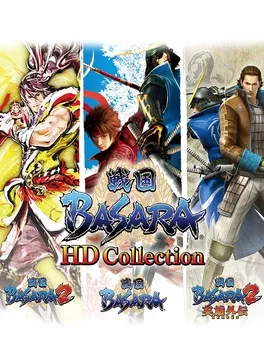
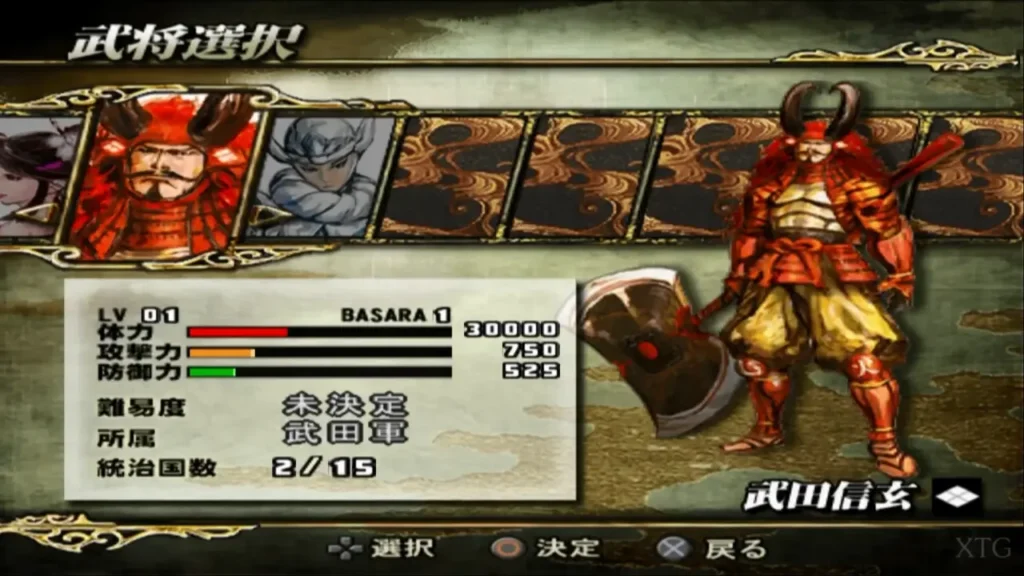
Story/Lore: Sengoku Basara is a series of video games and has three anime shows, anime movie, love action show, and numerous drama CDs, light novels, manga, and stage plays. The game initially focuses on warlord Oda Nobunaga who seeks to unify Japan under his reign of terror. Rivals Date Masamune and Sanada Yukimura form an unlikely alliance with other regional generals to take the Demon King down. Following Nobunaga’s defeat, Japan is split into two opposing factions: The Western Army led by Ishida Mitsunari and The Eastern Army led by Tokugawa Ieyasu. Other key storylines include Yoshiteru Ashikaga in Sengoku Basara 4 as well as a spinoff Sengoku Basara Legend of Yukimura Sanada.
Inspired from Samurai culture: Sengoku Basara draws inspiration from Japan’s Sengoku period, featuring historical figures like Sanada Yukimura, Date Masamune, Honda Tadakatsu, and Oda Nobunaga. The term “Basara,” originating from the Muromachi period, reflects an underground cultural movement challenging traditional norms. It derives from the Sanskrit word “vajra,” meaning “lightning” or “diamond,” signifying “eccentric” or “flamboyant” in contemporary Japanese slang.
2. Ghost Of Yotei
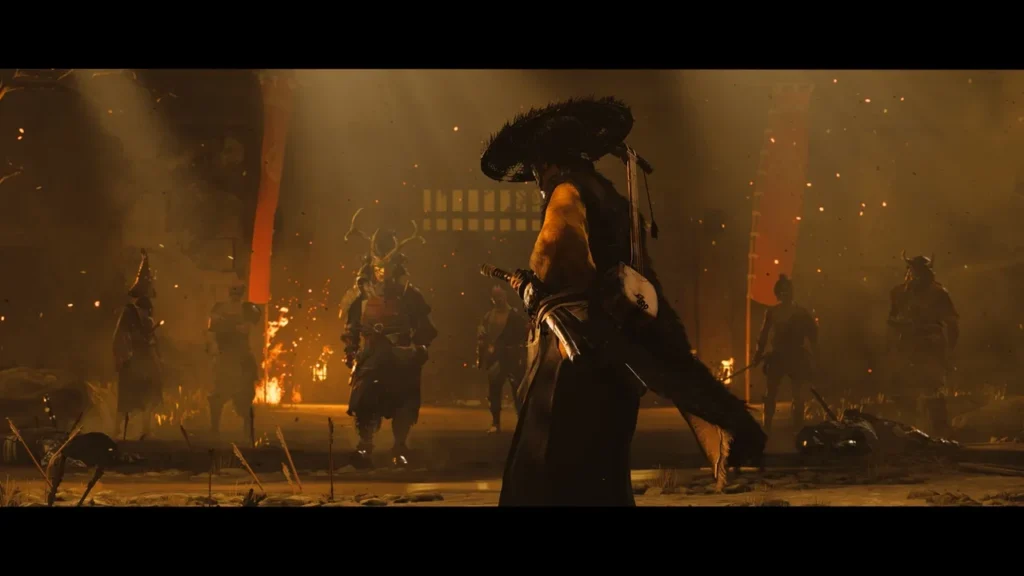
Story/Lore: Ghost of Yotei is set in 1603, during the Edo Period, following Atsu, a mercenary seeking revenge against the Yotei Six who killed her family 16 years ago. Surviving a near-fatal attack, she becomes the Onryo, a ghost of vengeance. Along her journey, she befriends a wolf and an Ainu woman, Oyuki, who is later revealed to be the Kitsune. They collaborate to confront the Yotei Six, including the Oni responsible for her father’s death. With the help of Jubei, who is revealed to be her brother, they infiltrate the Oni’s fortress, confront Lord Saito, and make significant sacrifices. The story concludes with Atsu promising to care for Jubei’s daughter, Kiku, signifying the end of her hunt for vengeance.
Inspired from Samurai culture: The Ainu people as well as a mass arrival of settlers were significant factors in the development of Japan’s northernmost island, Hokkaido, which was known as Ezo at the the time. Ezo was home to the indigenous group, the Ainu people who were hunters and gatherers on the island before it was part of Japan, with the belief in individual spirits residing in all living things. Ainu culture revered kitsune or wolves and kuma or bears. Many of the Japanese settlers perceived the Ainu people as savages and barbaric. With tensions between the two parties, it resulted in years of war.
The Matsumae Clan mentioned in the games is pulled directly from history. In 1603, the shogunate sent his representatives to Ezo. These wards were the Matsumae Clam, who claimed the Ainu’s homeland and came to blows with the indigenous group on several occasions.
Special mentions:
Valorant’s Yoru
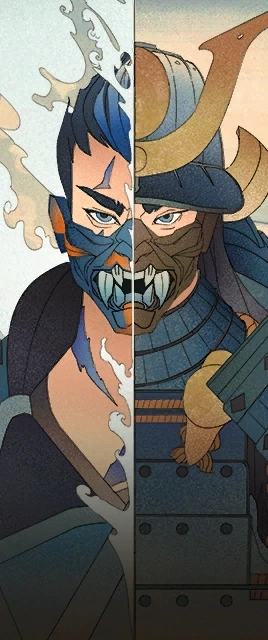
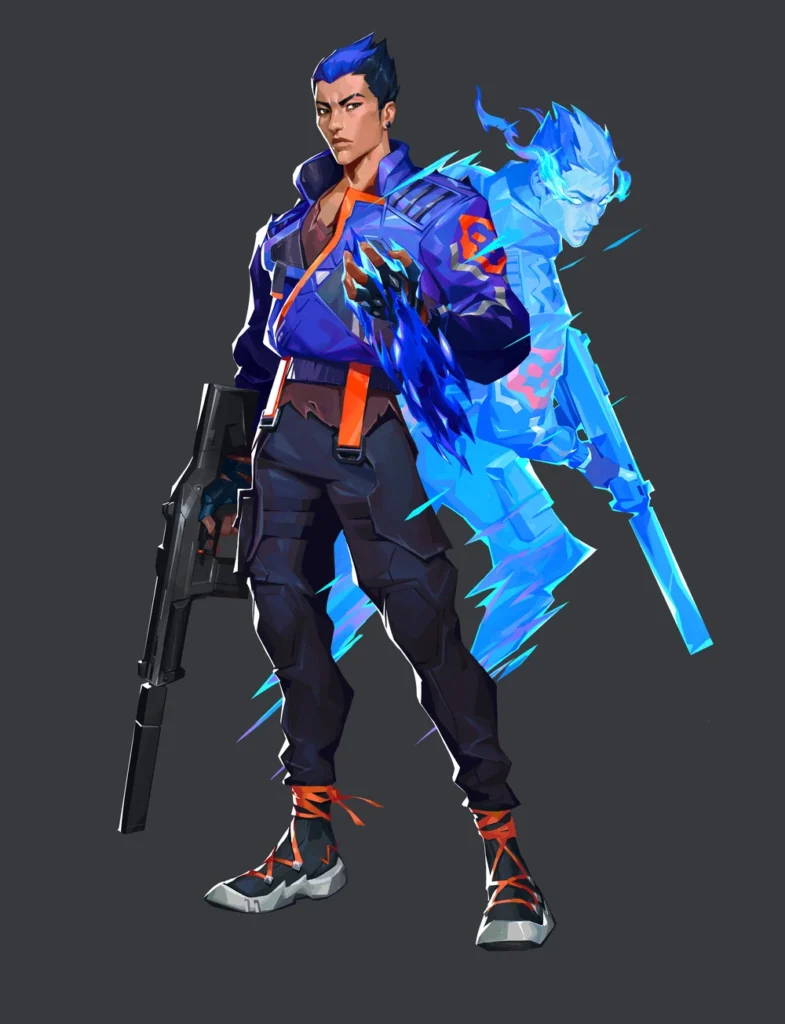
Story/Lore: Yoru is a Radiant from Tokyo, Japan. His Radiant powers allow him to tear holes in reality to walk through dimensions. He seeks the truth about his ancestral lineage, ancient samurai ancestors who lived during the Edo period. In his quest to learn what happened to them, he discovers the sailors of the Japanese warship who were his lost ancestors. The ship crashes in the Arctic Circle, which will be discovered centuries later by the Kingdom. With his attempts to locate his lost ancestor, Yoru finds the secretive facility of Icebox that has remains of his heritage. He breaks into Icebox, and from one of the suits of armor, he stole a mask that activates Dimensional Drift. He was soon recruited into the VALORANT PROTOCOL ranks as their 15th Agent.
Inspired from Samurai culture: Yoru’s character design takes inspiration from manga series JoJo’s Bizarre Adventure’s Jotaro “JoJo” Kujo, video game series Yakuza / Like a Dragon’s Kazuma Kiryu, hack and slash video game Killer Is Dead’s Mondo Zappa, and anime series Cowboy Bebop’s Spike Spiegel. His mask is a facial armour known traditionally as menpo worn by the samurai class and their retainers in feudal Japan.
Samurai Shodown
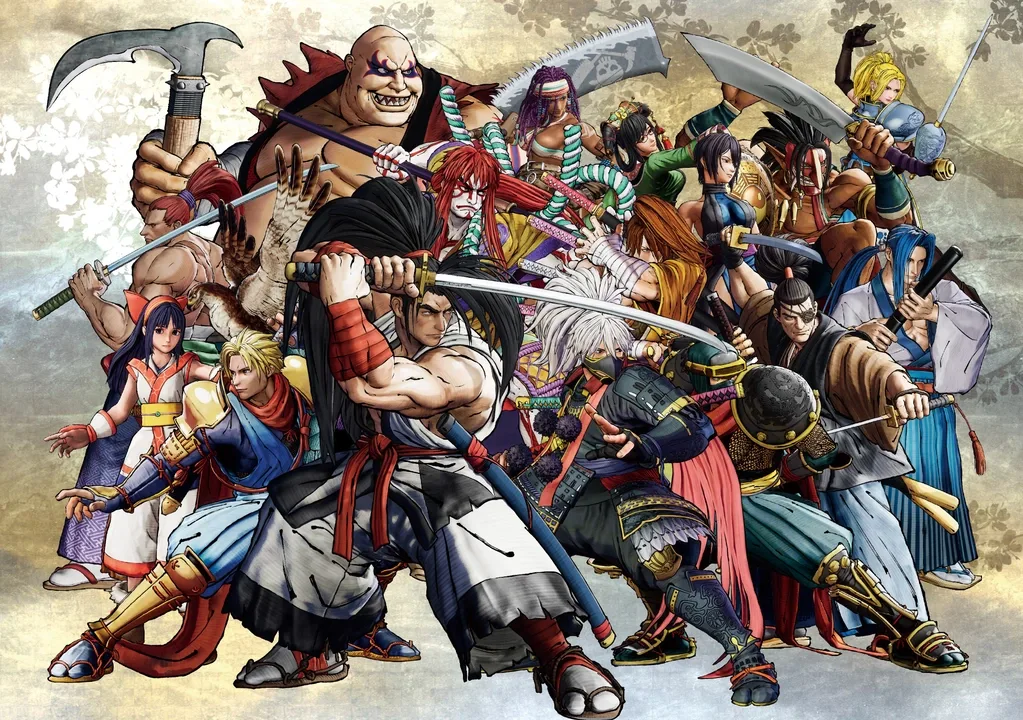
Story/lore: In the context of the Tenmei famine, Tokugawa general Kyogoku Hinowanokami Gaoh leads a rebellion against the indifference of the Shogun, wishing to instill in Yoshitora Tokugawa a sense of duty to the nation and its people. Following Gaoh’s defeat, Yoshitora becomes Shogun, but soon faces a new threat: the vengeful spirit of Shizuka Gozen, who poses a danger to Japan. Concurrently, Amakusa Shiro Tokisada, a former Christian rebellion leader, makes a pact with the evil entity Ambrosia before his execution, unleashing chaos. Various warriors, including Haohmari, Nakoruru, Shizumaru Hisame, Yoshitora, Seishiro Kuki, and Iroha, rise to challenge Tokisada’s destructive agenda, alongside fan-favorites like iaijutsu swordsman Ukyo Tachibana and fencer Charlotte Christine de Colde.
Inspired from Samurai culture: The iconic game Samurai Shodown draws from classic Japanese folklore, historical cinema, and different periods such as the Tenmei, Kansei, and Bunka eras. The main rivals, Kaohmaru and Ukyo, are designed after two swordsmen who famously dueled at Ganryu-jima in 1611, Miyamoto Musashi and Sasaki Kojiro. Real-life shinobi like Yagyu Jubei and Hattori Hanzo and 17th century Christian samurai, leader of Shimabara Rebellion, Amukasa Shiro also appear in the game.
1. Ghost of Tsushima
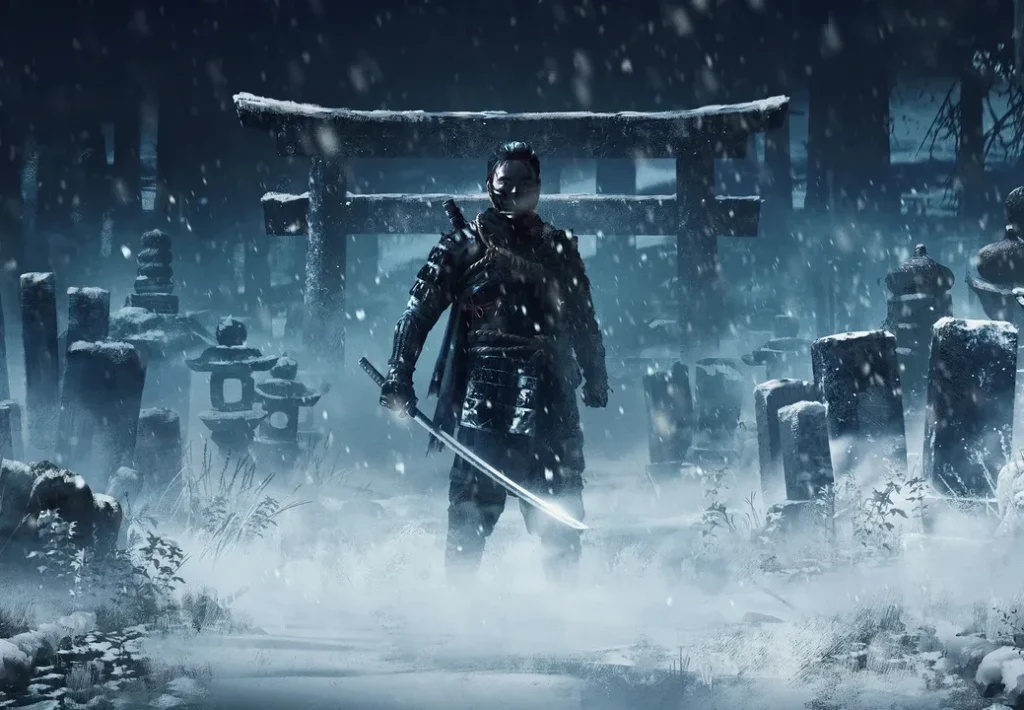
Story/lore: In 1274, the narrative follows Jin Sakai, a samurai who is trained by his Uncle Lord Shimura. Peace is shattered when Khotun Khan leads a Mongol invasion of Tsushima Island, capturing Jin’s uncle in the process. After a defeat, Jin is rescued by Yuna, a former thief searching for her brother, Taka. Together, they rescue Taka from a slaver camp, where he is forced to work as a blacksmith for the Mongols. Throughout his journey, Jin allies with Lady Masako, Sensei Ishikawa, and Norio. However, his friend Ryuzo betrays him by siding with Khan.
As Jin fights to save his uncle, he stages a peasant revolt in Akashima Village. After being captured, Taka is compelled by Khan to kill Jin but instead is executed, spurring Jin into a rage against Ryuzo’s forces. Jin struggles with the samurai code, leading to conflict between him and his uncle over tactics, resulting in Jin’s imprisonment for disloyalty. He escapes with the help of Kenji.
In the climactic events, Jin reconnects with Yuna and writes to his uncle seeking forgiveness and support. After an intense battle, Jin defeats Khotun Khan. However, the victory is bittersweet; the Shogun orders Shimura to execute Jin for his actions. The story culminates in a poignant clash between Jin’s evolving identity as a ‘ghost’ and the samurai honor instilled by his uncle, culminating in a choice that will define their relationship.
Inspired from Samurai Culture: In 1274, the Mongol Empire, led by Kublai Khan, invaded feudal Japan to access its resources. Japan rejected Mongol diplomacy and prepared for war. Initially, Khan’s forces of nearly 40,000 troops overwhelmed Japanese defenses using gunpowder and other weaponry, capturing Tsushima and Iki Island. However, a typhoon destroyed many Mongol ships, forcing a retreat. A second invasion attempt was thwarted by another typhoon, devastating the Mongol fleet again.
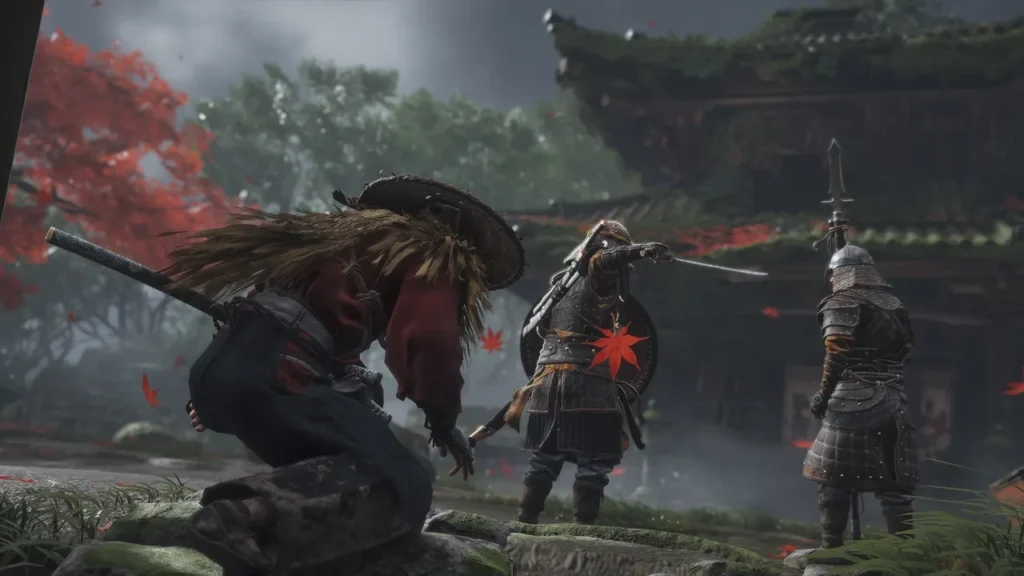
Game Over. Reality Begins. Do You Want to be a Samurai?
You’ve controlled the ultimate warriors through a screen, hitting combos and mastering virtual battlefields. But what happens when you step out of the digital world? Do you have the discipline, focus, and strength to stand among the elite?
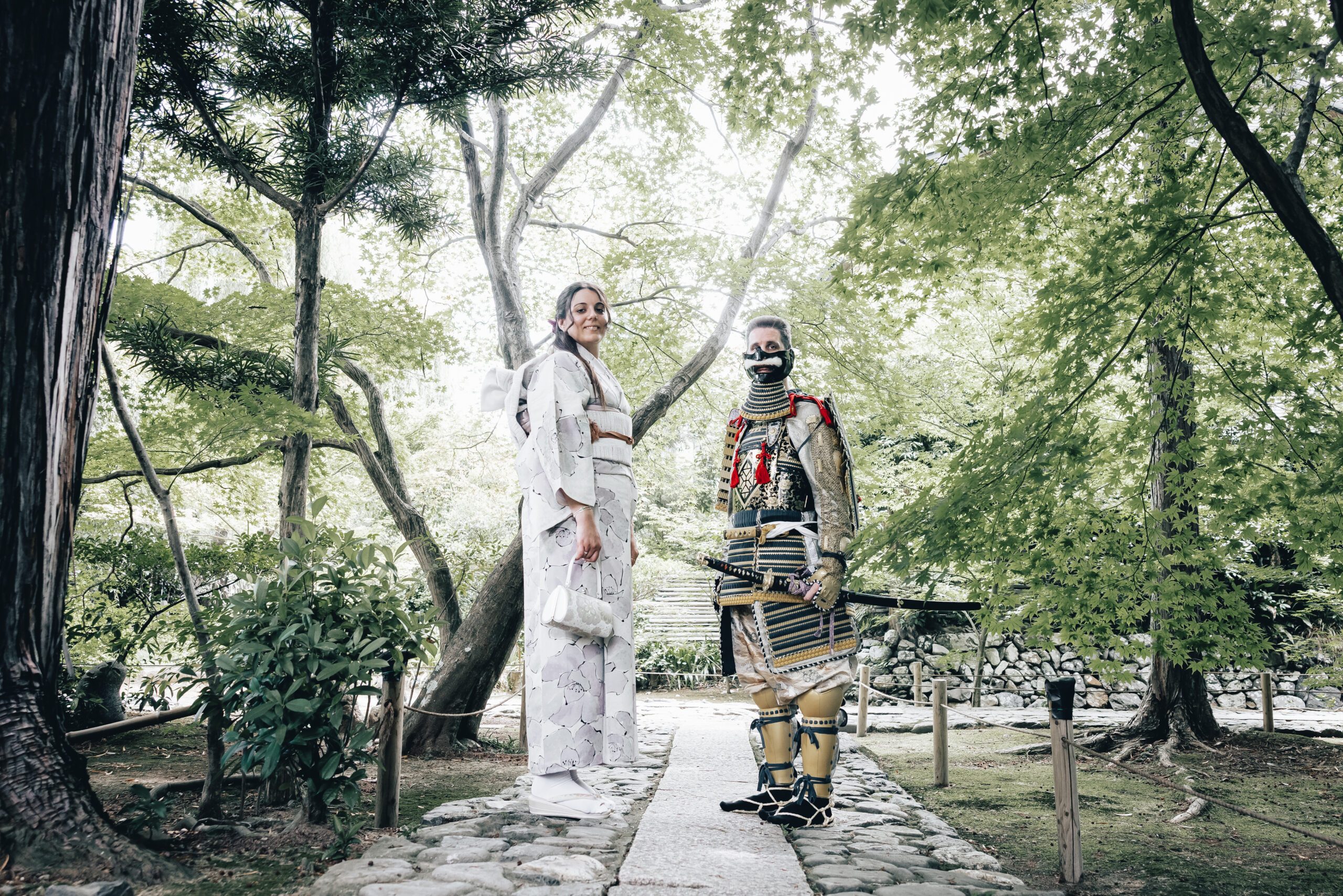
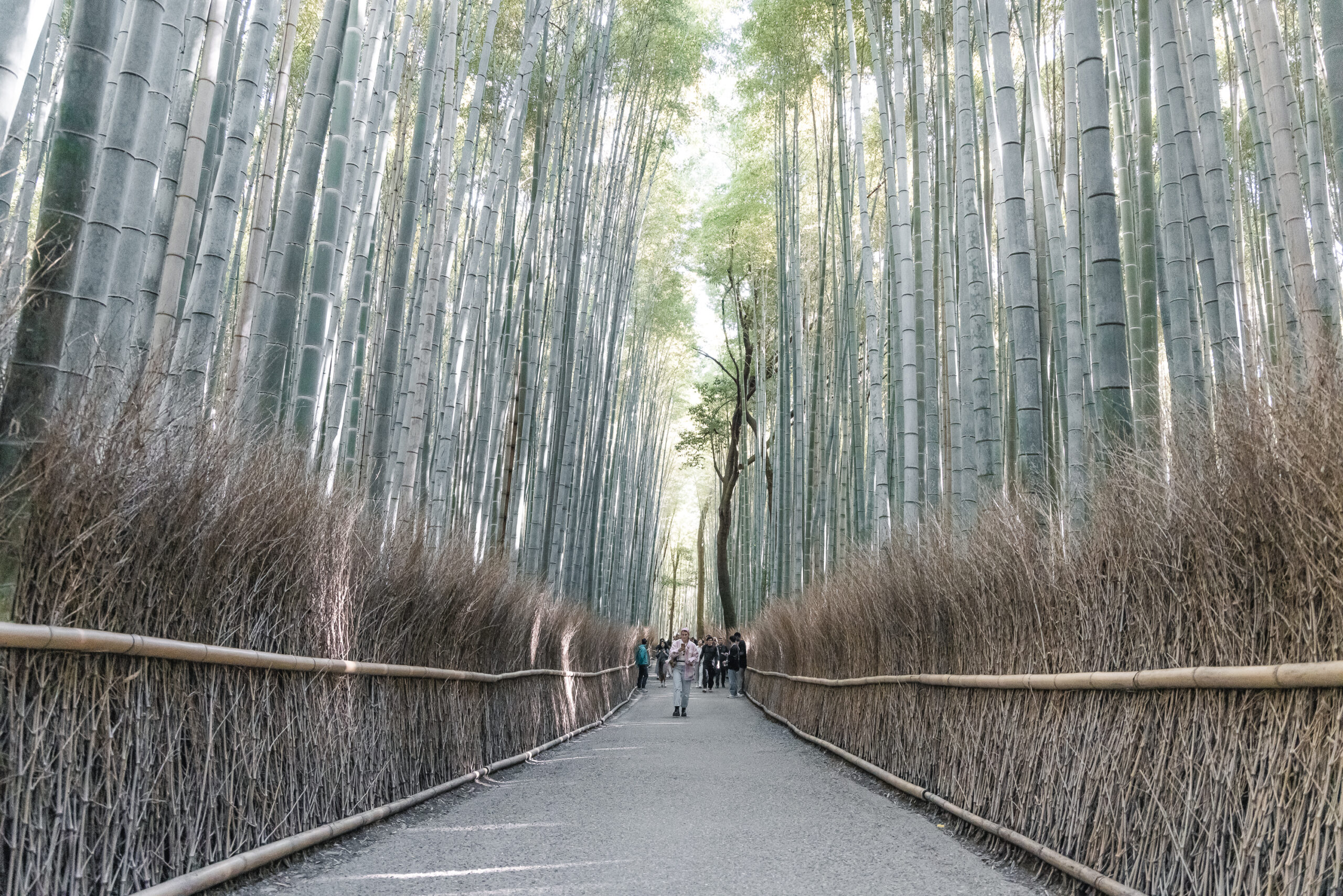
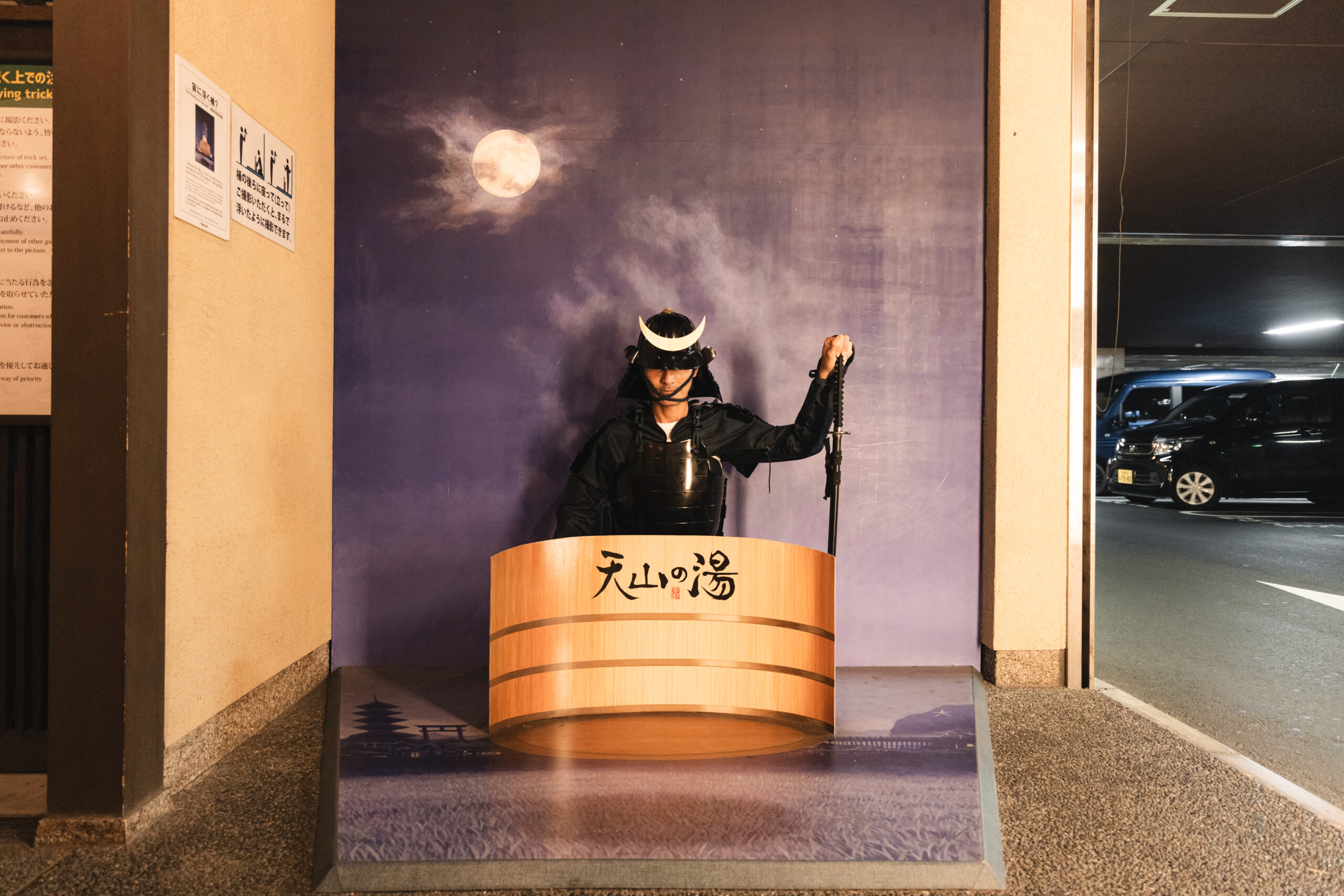
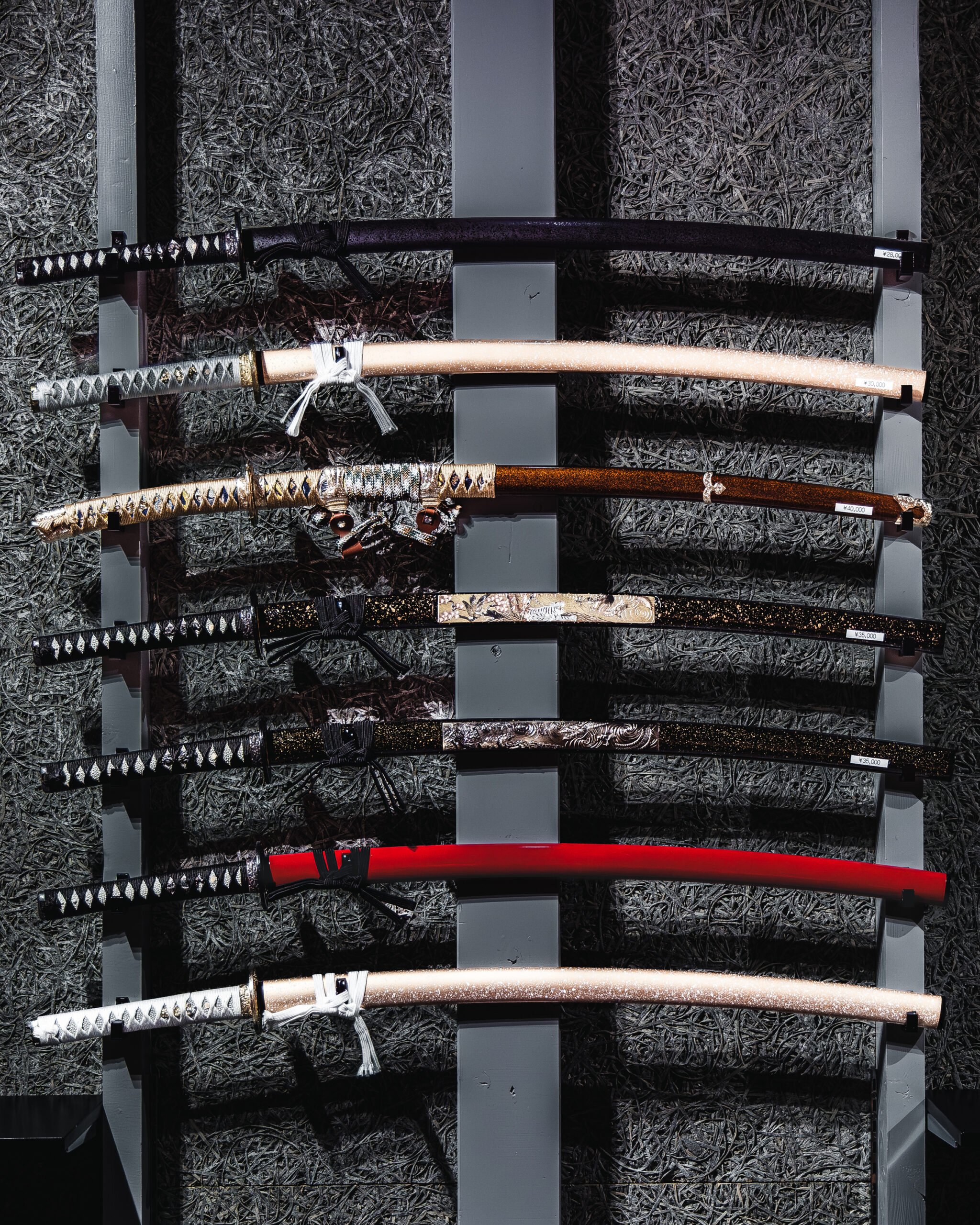
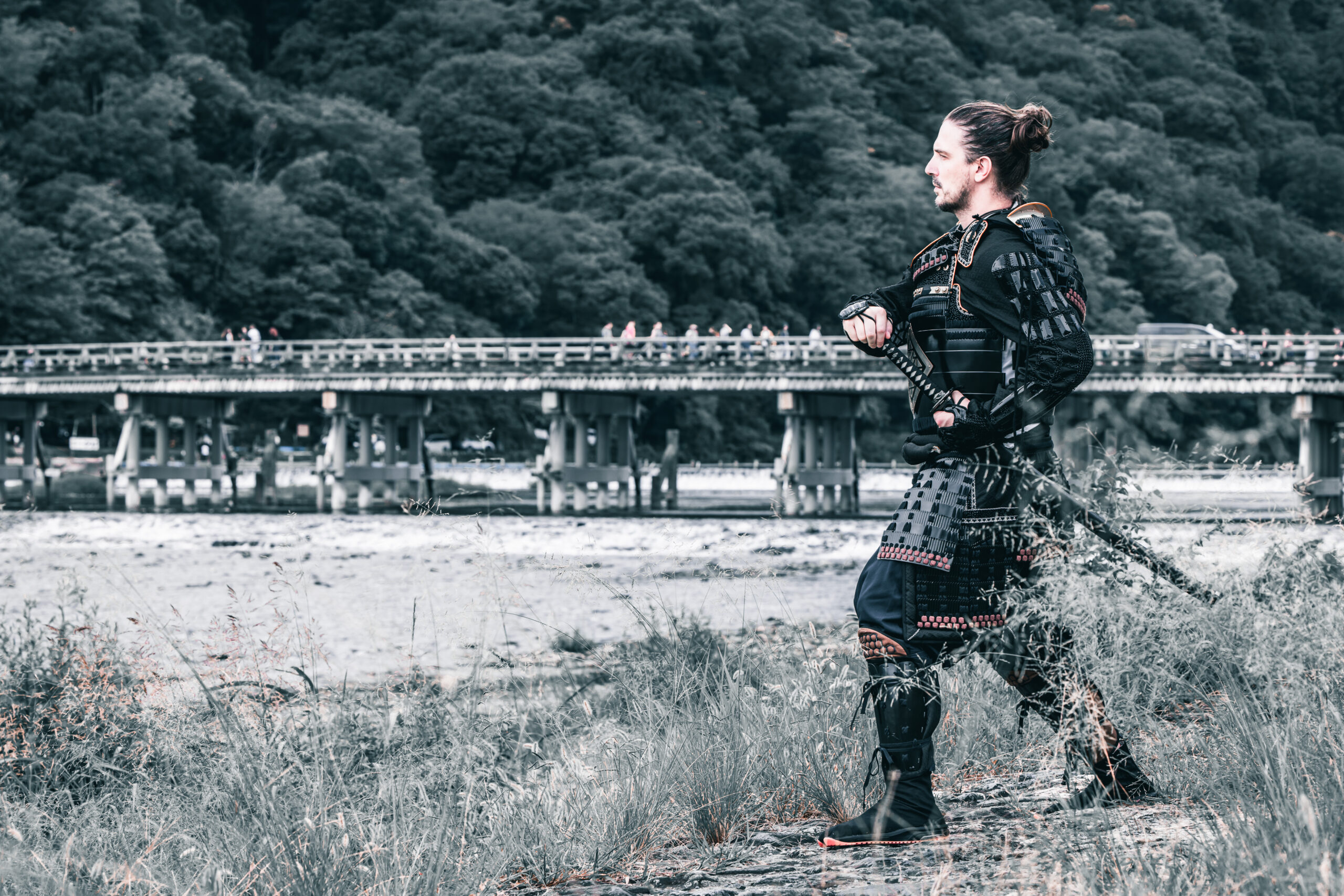
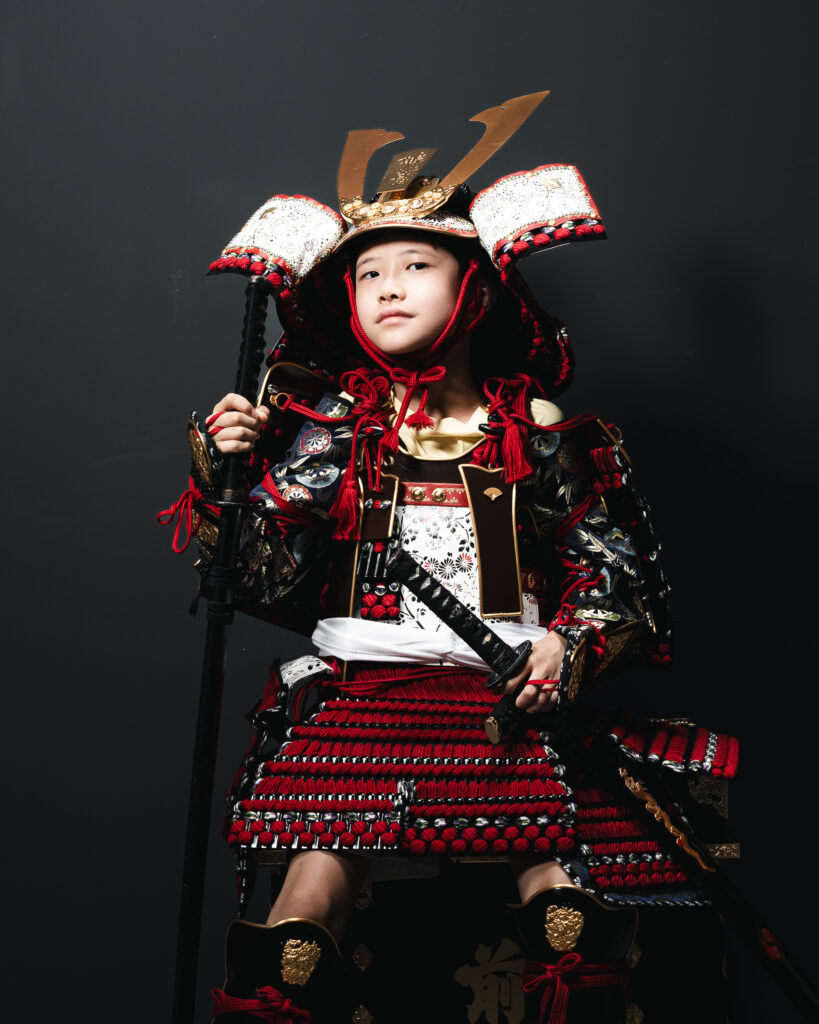
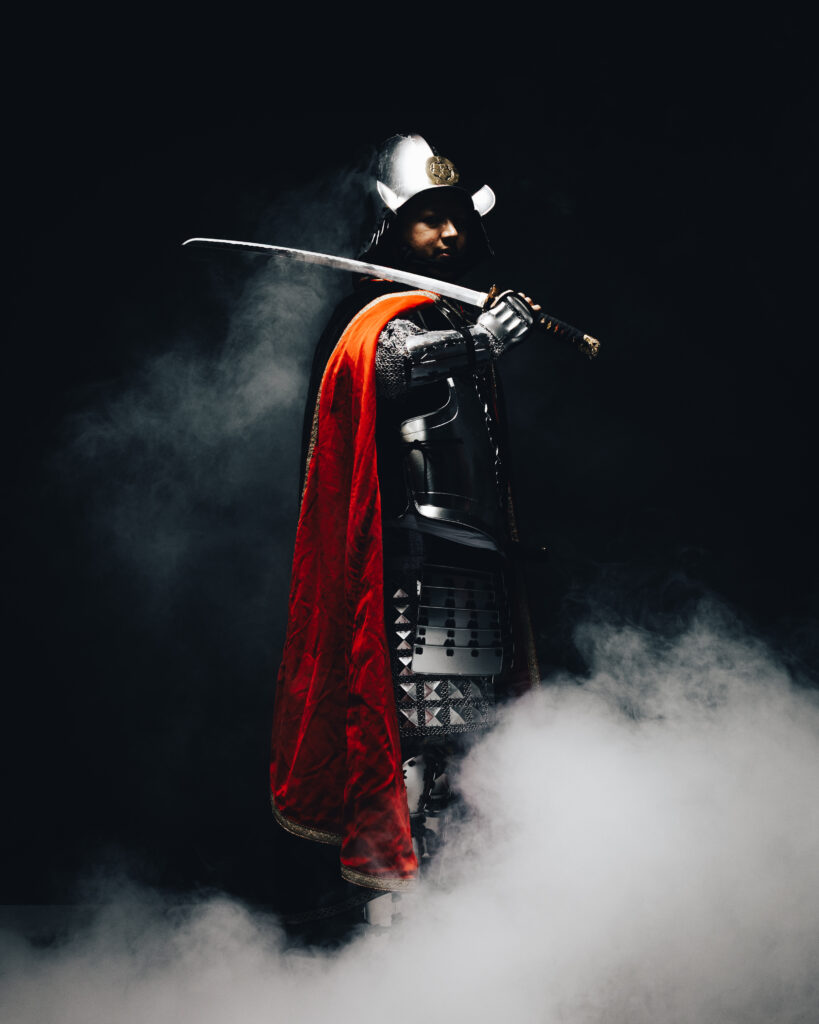
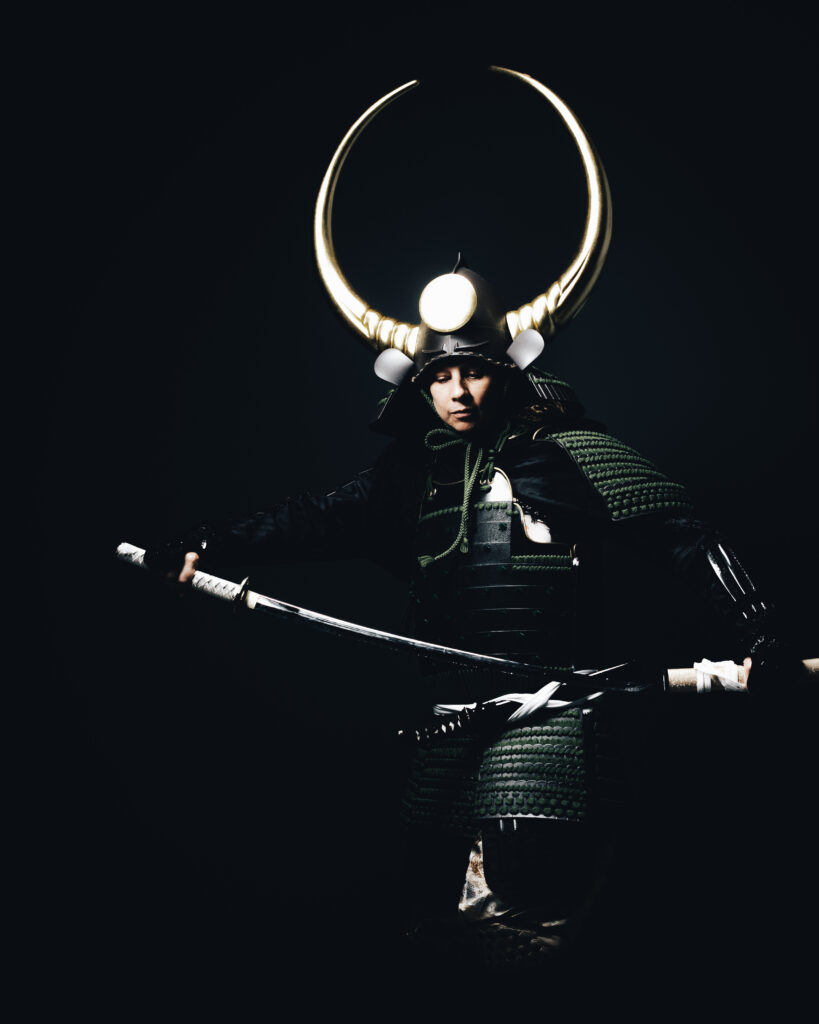
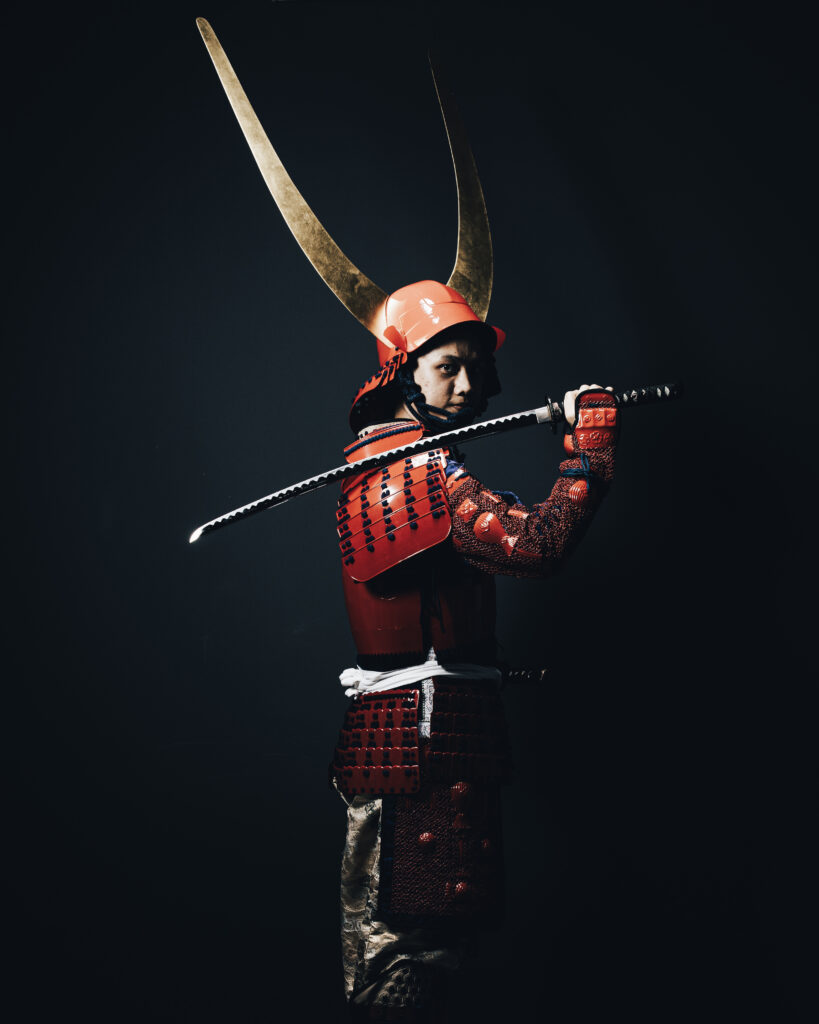
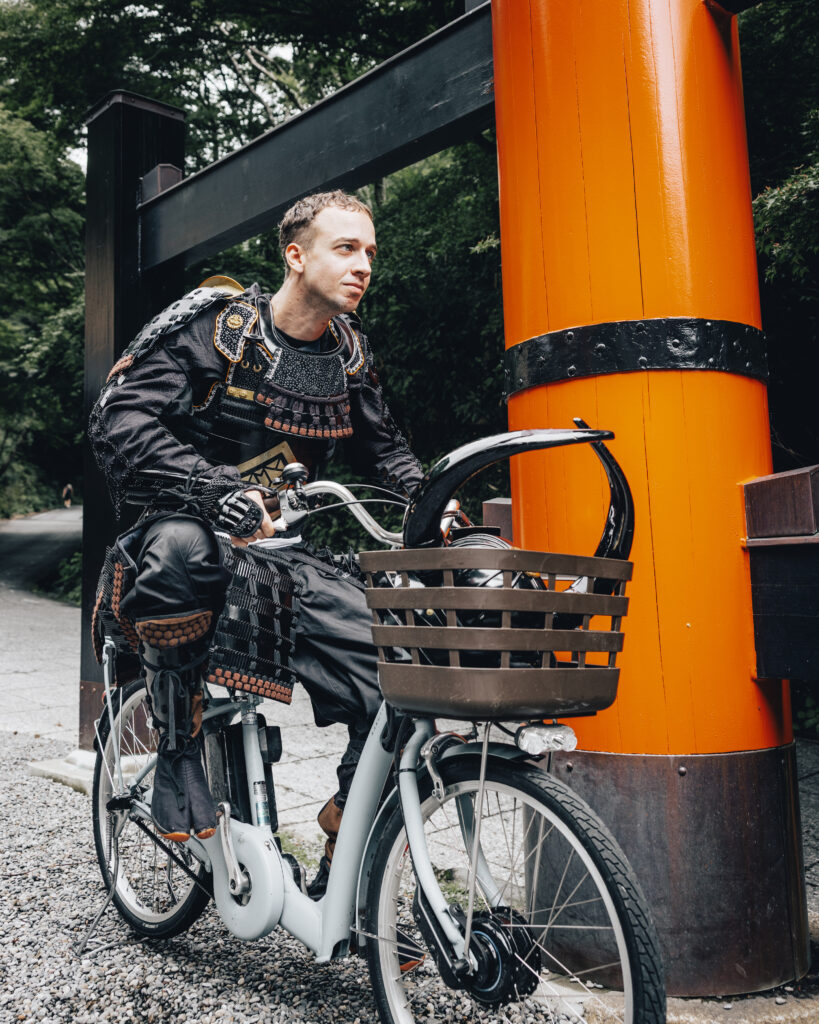
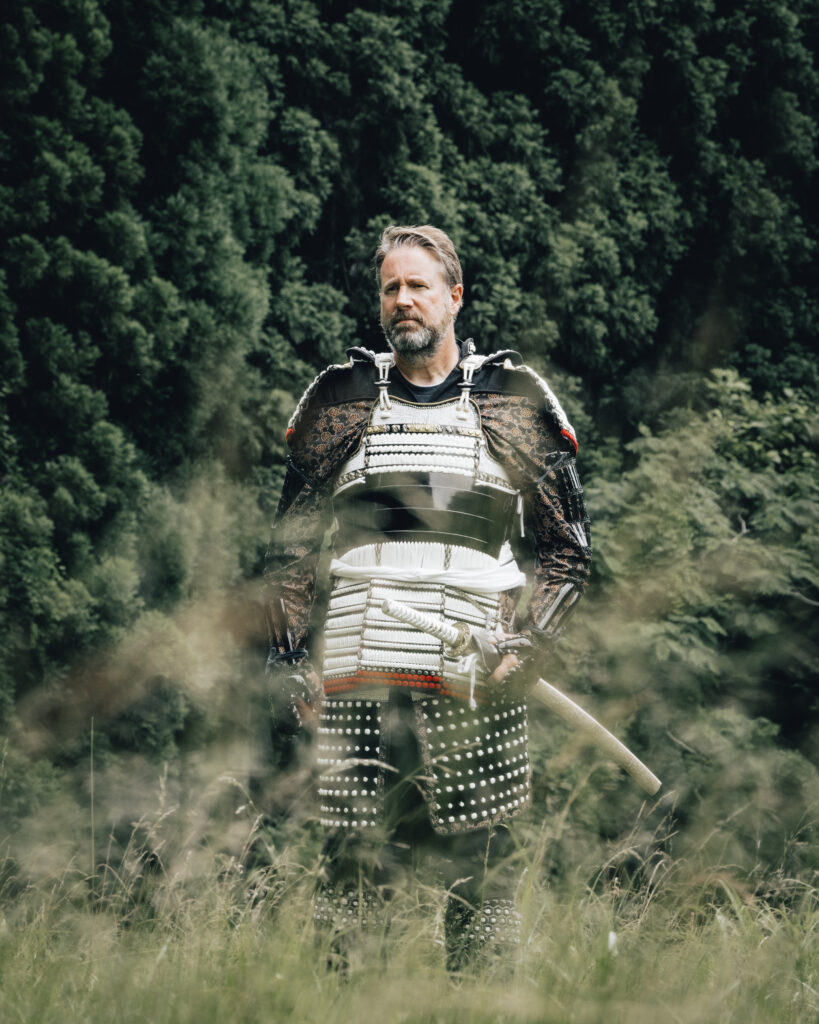
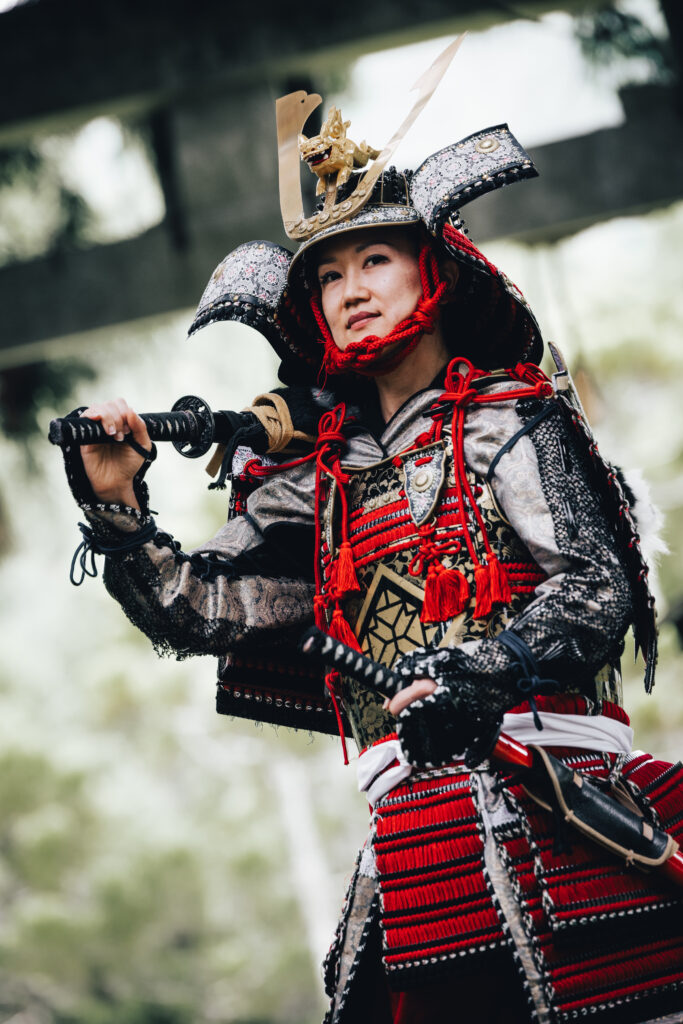
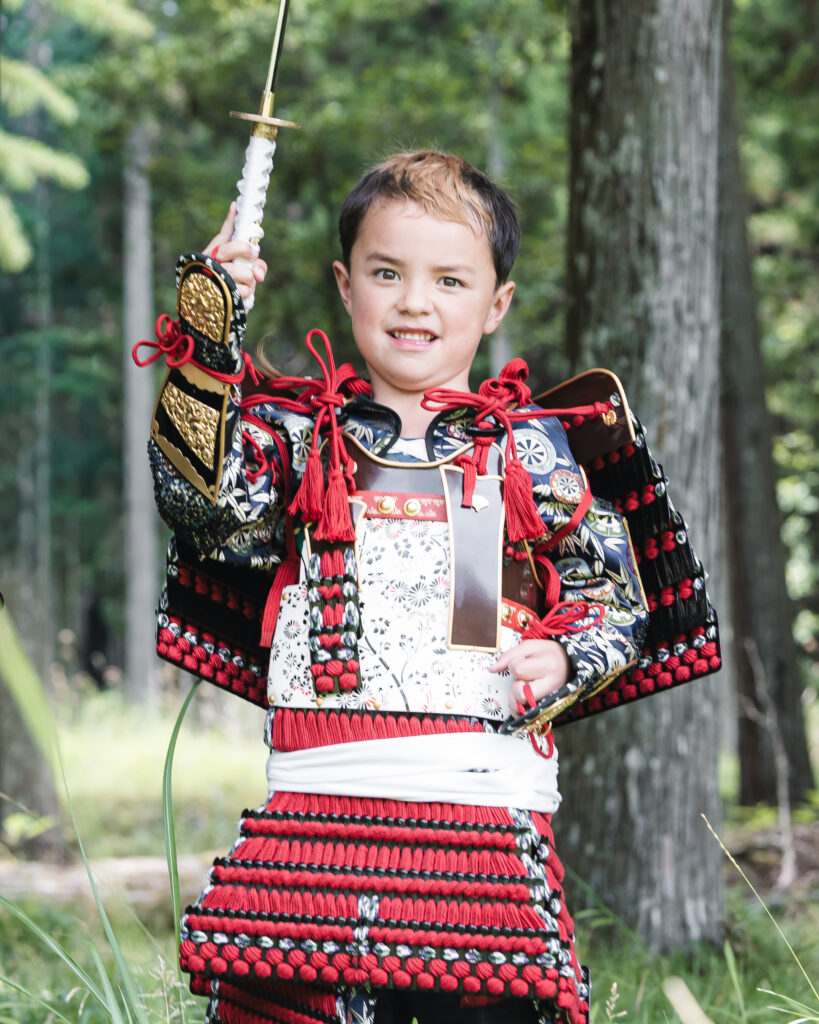
It’s time to trade your gaming controller for a real katana. Step away from the pixels and unlock the secrets of the ancient Bushido code in real life. Located in Arashiyama, Kyoto, one of the most iconic destinations in Japan, you can experience your favourite games in real life in SHOGUN STUDIO JAPAN.
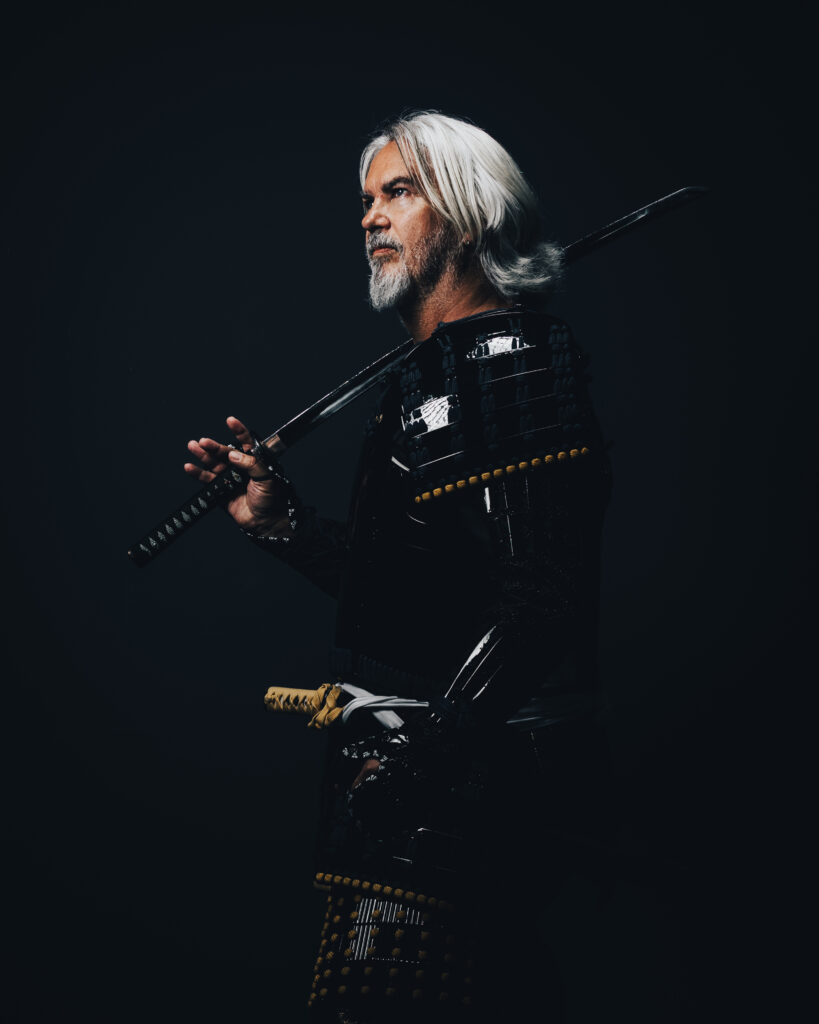
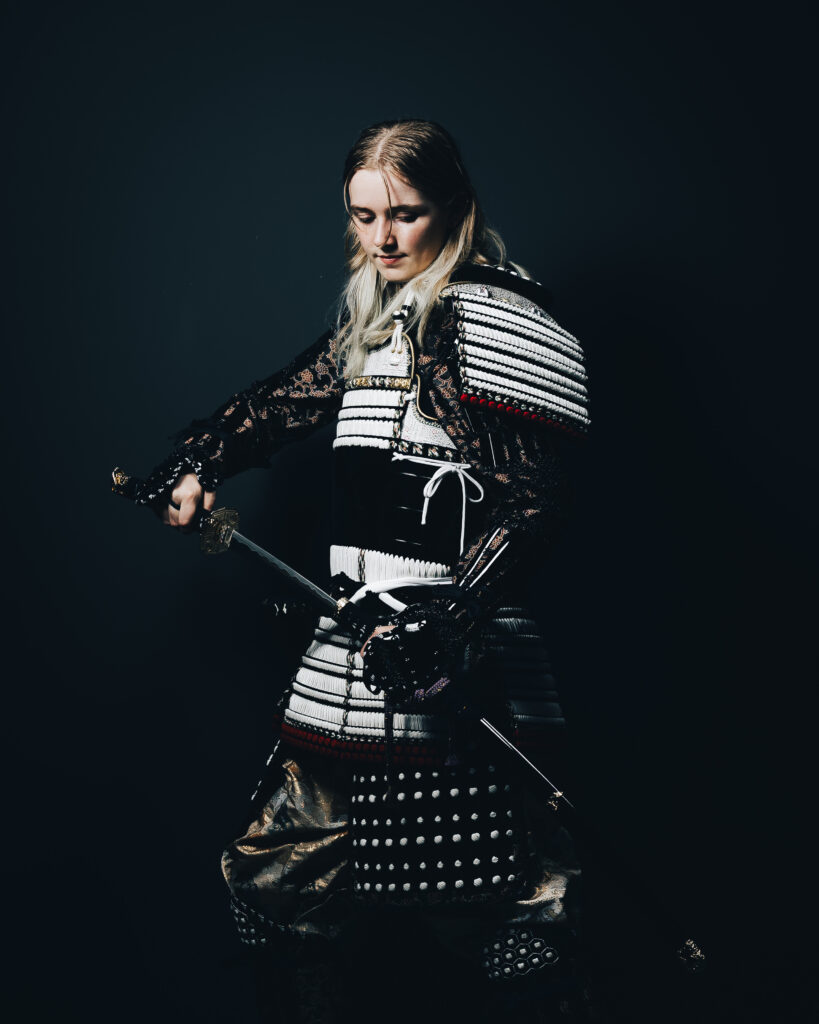
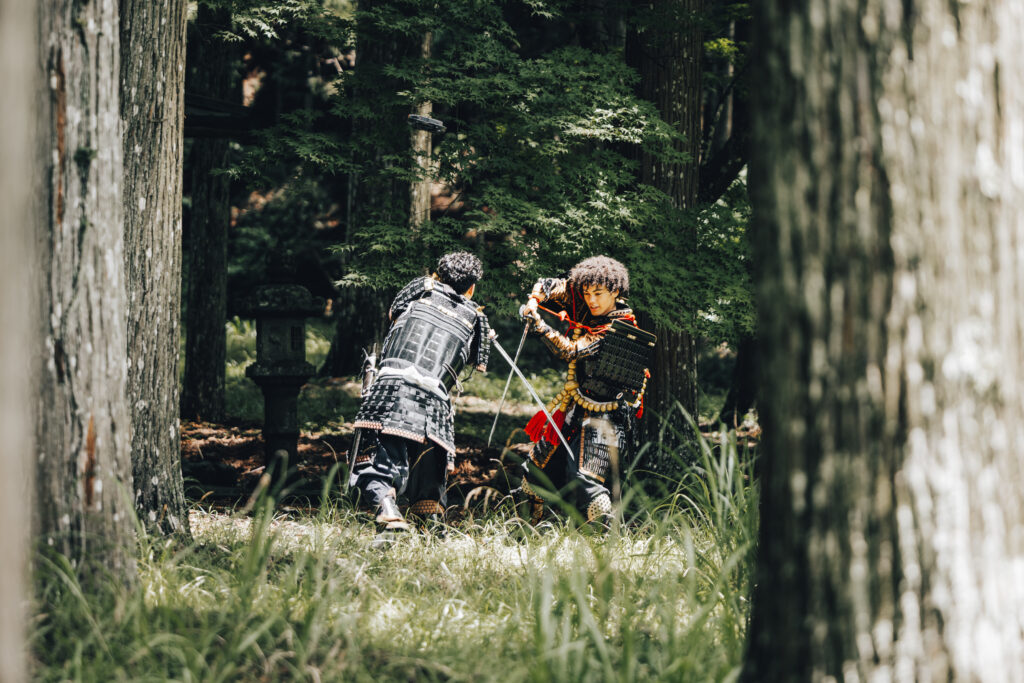
Explore Our Samurai Experience Packages Here!
See you on the battlefield, Shogun! ⚔️🏯